16 Brazilian Officials Lose US Visas as Ambassador Targeted
Diplomacy: Brasília
Key Facts
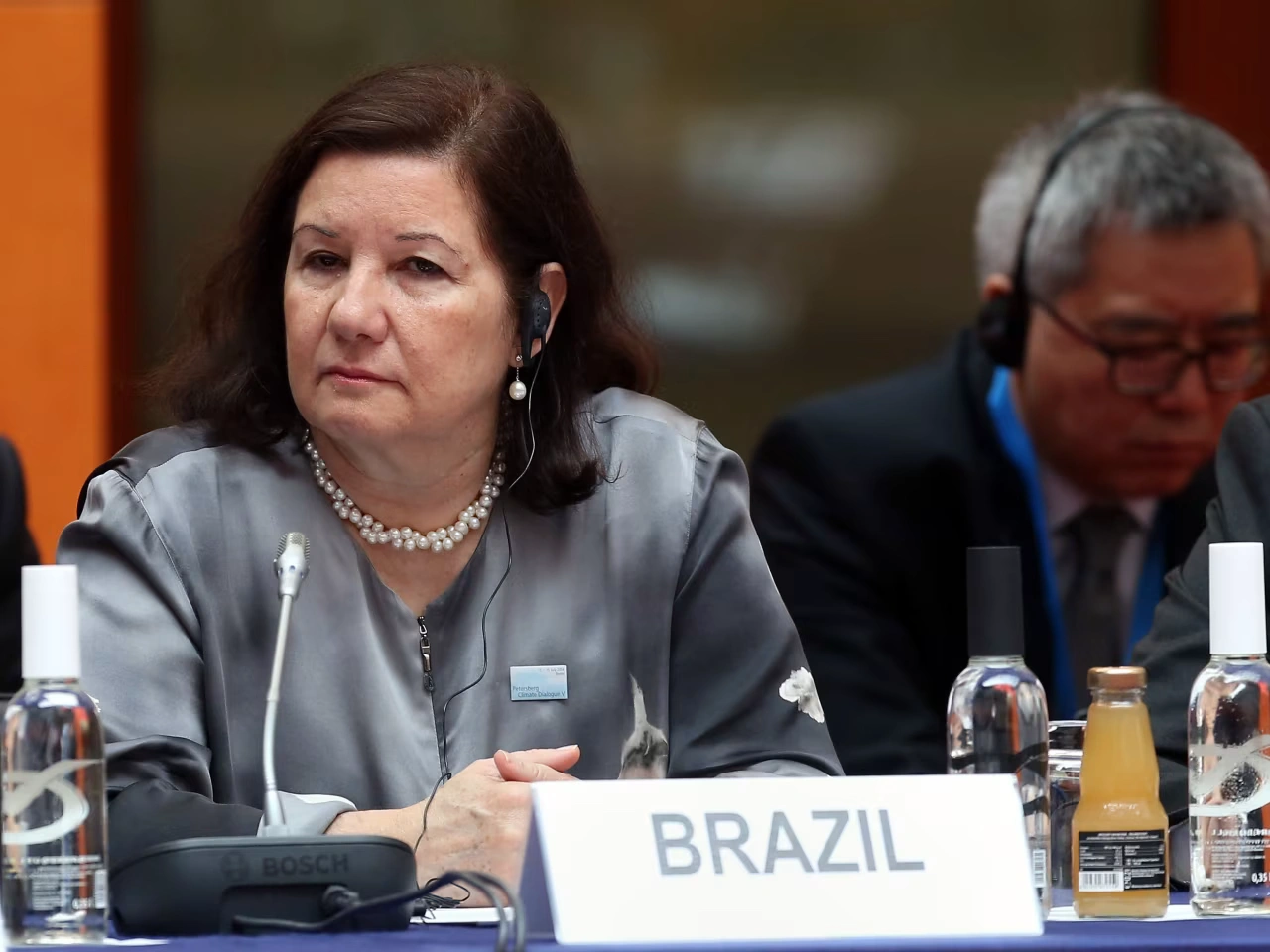
—Action. On 4 August 2026 the US State Department revoked the entry visa of Brazil’s ambassador in Washington, Maria Luiza Ribeiro Viotti.
—Scale. Brazilian and US outlets report that at least 16 Brazilian officials have had US visas revoked over roughly the past year.
—Stated reason. Washington called the step “reciprocal,” citing Brasília’s delay in approving its ambassador-designate, Daniel Perez.
—Brazil’s reply. The Brazilian government called both US justifications “false” and part of a “deliberate escalation of hostile measures.”
—Not expulsion. A State Department official said Viotti was not declared persona non grata and could have her visa restored if Brazil approves Perez.
The revocation of the Brazilian ambassador’s visa by the United States has pushed a long-simmering feud between Washington and Brasília into one of its tensest phases in decades.
What Washington Did
On 4 August 2026, the US State Department confirmed it had revoked the entry visa of Brazil’s ambassador in Washington, Maria Luiza Ribeiro Viotti, a career diplomat representing Brasília in the US capital. A senior department official, briefing reporters on condition of anonymity, described the measure as temporary.
The official stressed that Viotti had not been declared persona non grata and was not being expelled. “That is not the same thing as kicking the person out of the country,” the official said, adding that she could remain in the United States for now, though without a valid visa.
According to the official, the ambassador “would have their visa restored if the balance is restored by giving agreement to our chosen ambassadorial nominee.” Washington thereby tied the ambassador’s status directly to a parallel dispute over its own envoy to Brazil.
The Ambassador Dispute Behind the Move
The United States framed the revocation as a reciprocal response to Brazil’s delay in granting agrément—the formal diplomatic approval—to Daniel Perez, President Donald Trump’s nominee for ambassador to Brazil. Perez, a Florida state representative and Republican ally of Secretary of State Marco Rubio, was nominated in June.
Perez has not been confirmed by the full US Senate, and Brazil has withheld the agrément he needs to take up the post in Brasília. Brazilian officials, cited by Al Jazeera, said Trump publicly announced the nomination before consulting Brasília—a step they considered a breach of protocol—and that they intended to review the nomination before responding.
Until that approval is granted, Perez cannot formally assume his role in the Brazilian capital, leaving both governments without a confirmed ambassador in place at the other’s seat of power.
Under the Vienna Convention on Diplomatic Relations, a host country must consent to an ambassador before the envoy can take up the post, and it can withhold that approval without explanation. Such delays are usually quiet bargaining tools; turning them into public visa action is what makes this dispute unusual.
Brasília Calls the Justification ‘False’
The Brazilian government rejected the US account. In a statement, it said it “repudiates” the State Department’s decision and that “both justifications offered for the decision are false.”
The Brazilian presidency described the move as part of “a deliberate escalation of hostile measures against Brazil, driven by ideological motives that are incompatible with a bilateral partnership.” The language marked one of Brasília’s sharpest public responses to Washington in the current standoff.
Brazil has taken reciprocal steps of its own in recent weeks. Last month it denied visas to officials from the US State Department’s Bureau of Democracy, Human Rights and Labor, after raising concerns about the delegation’s intentions ahead of Brazil’s October election.
A Year of Escalating Measures
The visa revocation is the latest in a series of measures. Brazilian and US outlets, including Poder360, report that Washington has revoked the US visas of at least 16 Brazilian officials over roughly the past year, among them judicial figures.
The friction has run in parallel with a trade dispute. In July 2026, the United States announced 25 percent tariffs on a range of Brazilian imports, accusing Brazil of unfair trade practices; an earlier round of tariffs had been linked to the prosecution of former president Jair Bolsonaro.
Bolsonaro, a longtime Trump ally, was convicted in connection with an attempt to overturn the 2022 election that Lula won, and sentenced to more than 27 years. Washington has repeatedly criticised that prosecution.
The Election Backdrop
The dispute is unfolding months before Brazil chooses a president in October 2026. President Luiz Inácio Lula da Silva formally launched a bid for a fourth, non-consecutive term on 3 August, framing the race around national sovereignty.
His main rival is Senator Flávio Bolsonaro, the former president’s son, whom Trump and allies on Brazil’s right have publicly encouraged. Brazilian authorities have voiced concern that outside actors could seek to influence the vote.
What Happens Next in the Visa Standoff?
For now, the standoff hinges on the two ambassadorial nominations. US officials indicated that Viotti’s visa would be restored if Brazil grants agrément to Perez, suggesting a path to de-escalation that neither side has yet taken.
Washington has not ruled out further steps; US officials have previously signalled additional visa revocations and sanctions against Brazilian figures. Brasília, for its part, has said it will respond to what it views as hostile acts while keeping channels open.
Brazil remains the United States’ largest trading partner in South America, and a prolonged rupture carries economic as well as diplomatic stakes for both governments.
Frequently Asked Questions
Why did the United States revoke the Brazilian ambassador’s visa?
Washington called it a reciprocal response to Brazil’s delay in approving Daniel Perez, the US ambassador-designate to Brazil. US officials said the visa could be restored if Brazil grants that approval.
Is Brazil’s ambassador being expelled from the United States?
No. A State Department official said Maria Luiza Ribeiro Viotti was not declared persona non grata and was not being expelled; she may remain in the country, though without a valid visa for now.
How has Brazil responded?
The Brazilian government said both US justifications were “false” and called the move part of a “deliberate escalation of hostile measures,” while keeping open the possibility of further reciprocal steps.
Sources
Al Jazeera · CNN · Poder360 (16 officials) · Poder360 (govt note)
Connected Coverage
More reporting on Brazil’s politics and foreign relations from The Rio Times.
Sources: Al Jazeera, CNN, Poder360.
This article was drafted with automated assistance and reviewed before publication. How we use AI · Report an error
Read More from The Rio Times