Brazil Supreme Court Feud Deepens as Gilmar Mendes Files a Formal Complaint Against Chief Justice Fux
BRAZIL · COURTS
Key Facts
- —What happened Justice Gilmar Mendes sent a formal written complaint to Chief Justice Luiz Fux.
- —The allegation He alleges a prior arrangement between Fux and Justice André Mendonça over federal police decisions.
- —The language used Mendes publicly called Mendonça an electoral puppet, in wording reported differently by two outlets.
- —The reply Mendonça called it an attempt to intimidate him and said the judiciary does not belong to its members.
- —The second dispute Justices Zanin and Mendes want full access to jailed banker Daniel Vorcaro’s phone data.
- —What is not known No court session has been scheduled to resolve either question.
A written complaint, two insults reported in two different words, and a phone nobody can agree on.
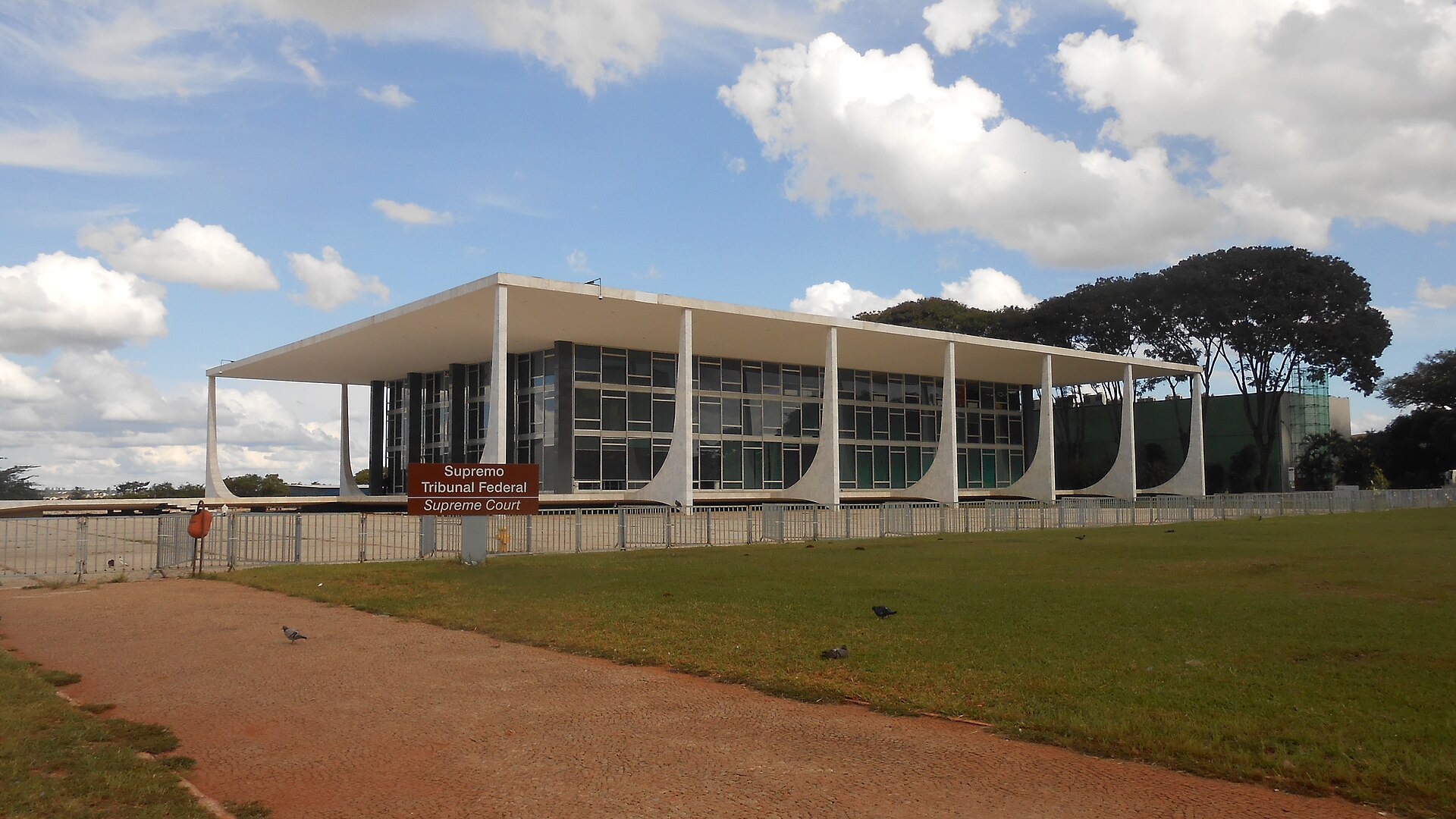
Justice Gilmar Mendes has sent a formal written complaint to Chief Justice Luiz Fux of Brazil’s Supreme Federal Court. He alleges an improper prior arrangement between Fux and Justice André Mendonça over decisions affecting the federal police.
What Was Filed
Gilmar Mendes sent an ofício, a formal written communication, to the court’s chief justice. In it he alleges an ajuste prévio, a prior arrangement, between Luiz Fux and André Mendonça.
The arrangement he describes concerns decisions affecting Brazil’s federal police. A complaint of this kind between sitting justices is unusual even by the standards of a divided court.
The Words Themselves
Mendes also attacked Mendonça in public. He described him as an electoral puppet while defending Prosecutor-General Paulo Gonet.
Two outlets reported two different phrases for the insult. Poder360 published pixuleco eleitoral and Gazeta do Povo published boneco de campanha, and we have not been able to reconcile which was said.
How Mendonça Answered
Mendonça responded publicly rather than through the court’s internal channels. He called the complaint an attempt to intimidate him.
He also said the judiciary does not belong to its members. That phrasing is a direct reply to the idea that a justice can be spoken for by a colleague.
The Banker’s Phone
A second dispute runs alongside the first. Justices Cristiano Zanin and Gilmar Mendes are pushing for full access to phone data belonging to Daniel Vorcaro, a jailed banker.
Mendonça objects, citing confidentiality. Fux has separately asked the federal police for complete access to the same material.
The Bahia Track
On a parallel track, the left-wing parties PT, PCdoB and PV asked the court for access to investigation material in the Caso Master inquiry. That material concerns ACM Neto, a prominent politician from the state of Bahia.
Justice Nunes Marques blocked a separate federal police request for a search targeting ACM Neto. Reports name different routes for the parties’ request, and we are not treating one version as settled.
Why This Matters Beyond the Court
Brazil votes on 4 October 2026, and the court rules on cases touching both main camps. A public dispute over whether justices coordinate decisions goes to the credibility of those rulings.
A poll published the same week found that most Brazilians already distrust the court. That distrust is the ground this argument is landing on.
What Foreign Residents Should Take From It
None of this changes any rule affecting residence, tax or business registration. The practical effect is on how quickly politically sensitive cases move.
Investors watching Brazilian assets tend to price judicial uncertainty into the currency rather than into company results. That is the channel through which a court dispute reaches a household budget.
What Is Not Yet Known
The court has not scheduled a session to consider the complaint. Neither has it said whether the chief justice will answer it formally.
The exact wording Mendes used remains disputed between two outlets. And no decision has been taken on the phone data at the centre of the second argument.
How the Court Normally Settles Internal Disputes
Brazil’s Supreme Federal Court has eleven justices and handles most internal friction in closed administrative sessions. Public complaints between members are the exception rather than the route.
The chief justice sets the plenary agenda, which is part of why this complaint is addressed to him. Control of the calendar is itself a form of power inside the court.
What to Watch
Whether Fux answers the complaint formally or lets it sit. And whether the court schedules the Vorcaro phone question for a plenary session.
Watch also for any further public statements from the justices involved. Each one raises the cost of stepping back from the dispute.
More: Brazil news and analysis, every day from The Rio Times.
Frequently Asked Questions
What did Gilmar Mendes file?
A formal written complaint, an ofício, addressed to Chief Justice Luiz Fux.
What does he allege?
A prior arrangement between Fux and Justice André Mendonça over decisions affecting the federal police.
How did Mendonça respond?
He called it an attempt to intimidate him and said the judiciary does not belong to its members.
What is the second dispute about?
Access to phone data belonging to Daniel Vorcaro, a jailed banker, which Mendonça opposes on confidentiality grounds.
Who is ACM Neto?
A prominent politician from Bahia whose case files three left-wing parties have asked to see.
Has the court ruled on any of this?
No. No session has been scheduled and no decision has been published.
Sources: Reporting by Poder360 and Gazeta do Povo on the complaint and the language used, 17 September 2026; statements by Justice André Mendonça.
This article was produced by The Rio Times’ automated newsroom system. How we use AI · Report an error
Read More from The Rio Times