Brazil Negotiates to Gain Full Control Over Nuclear Energy, Selling Eletrobras Stake
In a strategic negotiation, Brazil’s government, led by President Luiz Inácio Lula da Silva, orchestrated a remarkable asset exchange with Eletrobras.
The government aims to swap a minor share of its Eletrobras holdings for complete control of Eletronuclear.
This initiative seeks to harness the full potential of Angra’s nuclear facilities, including Angra 1 and 2, while taking charge of the ongoing Angra 3 project.
Currently, the government possesses 43% of Eletrobras’ equity. Through this deal, it plans to cede about 2.5% to 3% of this stake.
In return, it will acquire the 35% of electronuclear shares that Eletrobras currently holds.
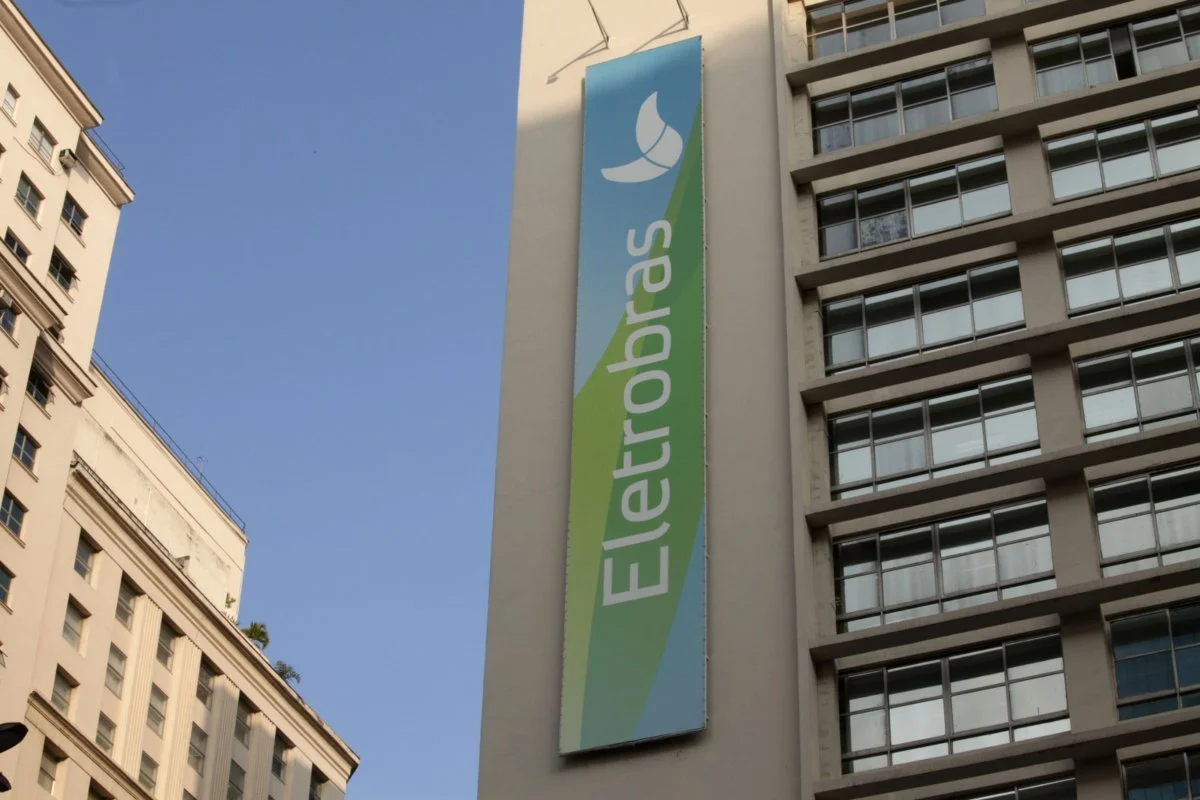
This exchange will grant the government total control over Eletronuclear, leaving the remaining shares under full governmental authority.
Such a move significantly bolsters the state’s influence over nuclear energy assets, aligning with its focus on maintaining critical national infrastructure.
This strategic pivot occurs as Eletrobras shifts focus toward renewable energy. The company is opting to divest from nuclear power inherited during its state-owned era.
This backdrop highlights the government’s intent to retain control over crucial energy assets, particularly during Eletrobras’ 2022 privatization.
Brazil’s Strategic Energy Consolidation
The government aimed to prevent private dominance over the nuclear sector and Itaipu Binacional. The negotiations include a discount on the exchanged share value, reducing government costs.
This financially astute strategy is projected to yield a “profit” of approximately R$2 billion for the federal government.
Minister of Mines and Energy, Alexandre Silveira, and Eletrobras President Ivan Monteiro refined these terms during a critical meeting.
The deal’s broader implications are profound, underscoring Brazil’s commitment to energy security and strategic autonomy, especially in the nuclear sector.
This consolidation ensures that Brazil retains control over its nuclear technology and infrastructure, vital for both energy and national security.
This development is significant, reflecting Brazil’s larger goals of maintaining control over essential energy assets while strategically navigating global energy dynamics.
The move not only secures a vital energy resource but also solidifies Brazil’s stance on sustainable and secure energy practices for the future.
More: Brazil news in English, every day from The Rio Times.
This article was produced by The Rio Times’ automated newsroom system. How we use AI · Report an error
Read More from The Rio Times