Brazil Football Match Briefing: Form, Local Stakes and Legal Betting Context
(Sponsored) This article, supplied by an advertiser, is published as submitted.
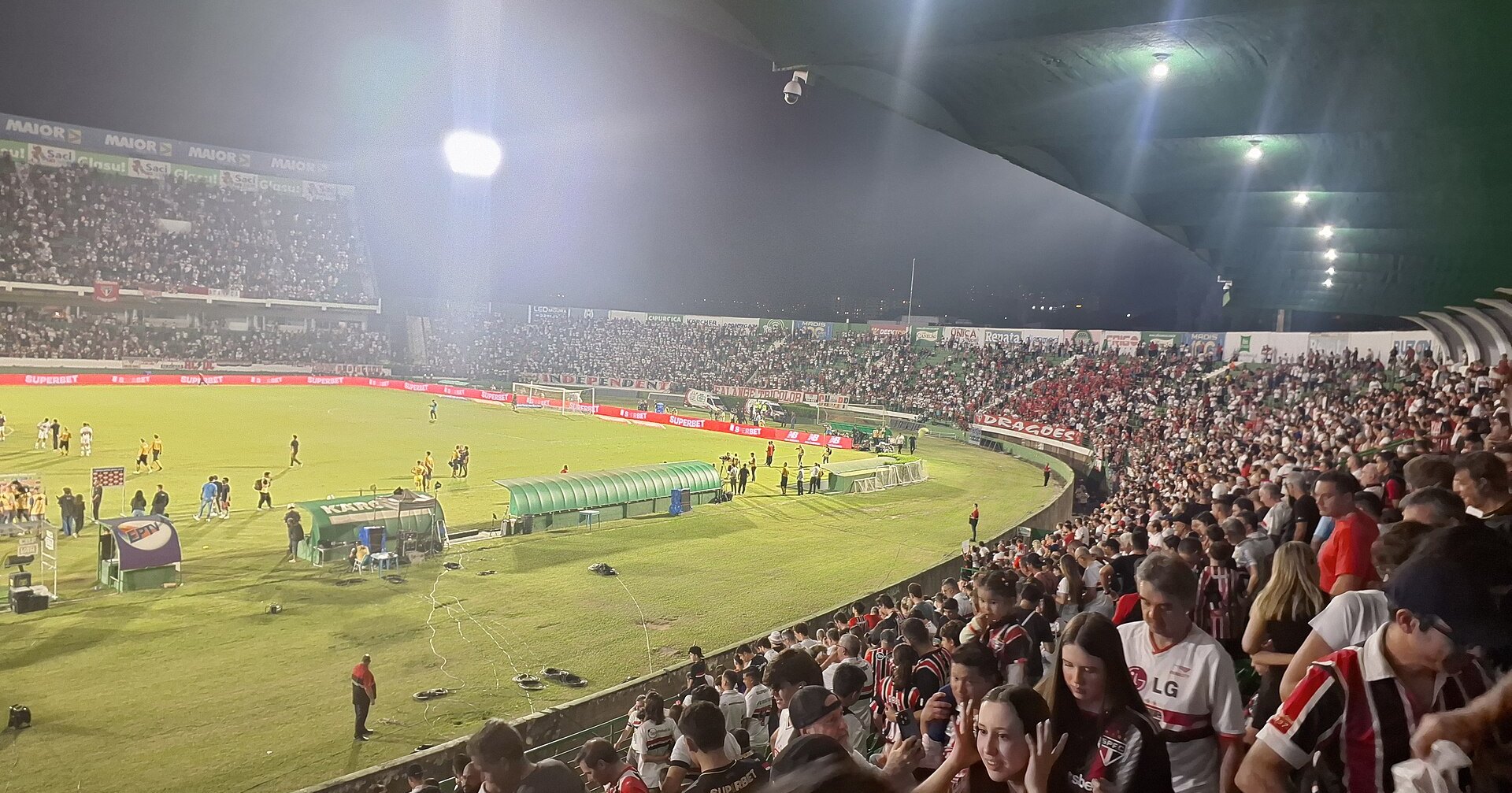
Brazilian football rarely feels like a routine diary entry. A league match can carry the weight of a local rivalry, a test of a manager’s ideas, a long overnight journey for travelling supporters and a meaningful step in a season shaped by continental competition.
That is especially true during the busy final stretch of the Brazilian calendar, when Série A, Copa do Brasil and CONMEBOL commitments can overlap. This briefing is designed as a sensible guide for readers following a Brazil-based fixture from abroad: what matters around the match, where to check facts, and how to separate solid information from noise.
One important note before getting into it: kick-off times, venues, squad availability and broadcast arrangements can move at short notice. Treat official competition channels as the final word.
Why this fixture matters beyond 90 minutes
In Brazil, a domestic match is often about far more than three points. League position matters, of course, whether a side is pushing for the title, a Copa Libertadores place, Copa Sudamericana qualification or a calmer finish to the campaign. Yet the local story can be just as important.
A meeting between clubs from the same state can revive decades of shared history. A match involving sides from São Paulo, Rio de Janeiro, Belo Horizonte, Porto Alegre, Salvador or Recife can also expose the very different football cultures that exist across such a vast country.
Brazil’s national league has its own rhythm. The long distances involved mean that an away fixture is not merely a short coach ride. Teams may cross several time zones, face sharp changes in heat and humidity, and manage demanding recovery schedules. For supporters, the trip can require significant planning too, particularly when a match lands in a major city on a packed weekend.
The broader competitive picture should also be kept in mind. Brazilian clubs regularly balance league duties against the Copa do Brasil and CONMEBOL tournaments. A side returning from an away match elsewhere in South America may rotate personnel, alter its pressing plan or prioritise freshness in particular positions. That does not tell you the result in advance, but it gives useful context for reading a team sheet.
Football remains a defining part of public life in the country. As the overview of football in Brazil notes, the game has deep roots in the national identity, while the Brazilian Football Confederation, or CBF, administers the national game. The atmosphere around a fixture is therefore often shaped by family tradition, neighbourhood identity and regional pride as much as by the latest table.
Form is useful, but context is everything
A five-match form line is a decent starting point, not a finished argument. Results can look straightforward on a screen while hiding a very different reality.
Perhaps a side has played four of those matches away from home. Perhaps one came immediately after a midweek cup tie. Perhaps a late red card turned a match that had been evenly balanced into an awkward defeat. The detail matters.
When reviewing recent form, look beyond wins and losses:
- Home and away splits: Some teams are far more assertive in their own stadium, especially where crowd proximity and familiar conditions create a fierce atmosphere.
- Quality of opposition: Results against fellow title contenders, lower-table sides and regional rivals do not carry identical meaning.
- Rest and travel: Brazil’s geography can make a midweek journey a bigger factor than readers based in Europe might expect.
- Goals for and against: A narrow run of low-scoring matches may reveal a compact defensive structure, while a high-scoring spell can reflect either attacking fluency or defensive uncertainty.
- Set pieces: Dead-ball situations frequently decide tight Brazilian league games, particularly when open play is closely contested.
- Discipline: Suspensions can reshape a midfield or back line, and they should never be treated as a minor footnote.
Injuries, suspensions and the manager’s selection puzzle
The safest approach is to wait for confirmed club updates. Training photographs, supporter accounts and speculative social posts can be interesting, but they are not medical bulletins.
A player returning to training may still be short of match fitness. Equally, a manager might name a fit regular on the bench because of fixture congestion or a tactical preference. The official matchday squad, released close to kick-off, is the clearest available guide.
Watch for three recurring tactical questions:
- Will the side press high or protect space?
- Who controls the central areas?
- Are the full-backs asked to attack?
The important thing is not to turn tactical analysis into false certainty. Football has too many moving parts for that. A clear plan can be undone by an early injury, a sending-off, a deflection or a single moment of quality.
The local stakes, from the stands to the wider city
Supporter culture in Brazil is visible well before a match begins. Streets near the stadium fill with club colours, food vendors and groups meeting up for the walk to the ground. The best atmospheres are not manufactured. They come from years of songs, memories and arguments about line-ups that never quite end.
For visiting supporters and international readers, it is worth remembering that stadium routines vary. Entry rules, ticket collection, permitted items and transport arrangements can change depending on the venue and security plan. Use the home club’s official channels for practical instructions, and allow extra time where attendance is likely to be high.
The economic relevance is local as well as national. Matchdays bring work to caterers, transport providers, nearby bars, independent sellers and stadium staff. A major fixture can also put a city in the wider South American football conversation, particularly when it precedes or follows continental competition.
There is a policy angle too. Brazil’s football authorities, public bodies and clubs continue to discuss matters such as match security, stadium infrastructure, supporter access, integrity safeguards and the commercial rules surrounding the sport. These issues can sound distant from the pitch, but they affect the experience of everyone attending and following a match.
For international readers, avoid relying on one viral clip or a single partisan account to understand a local dispute. Club statements, competition notices and reporting from established Brazilian outlets are better starting points.
How to verify fixtures, broadcasts and the numbers
If you are following from outside Brazil, use a simple source hierarchy.
Start with the competition organiser and the clubs involved. The CBF’s official website is the key reference point for national competitions, regulations and published schedules. Club websites and verified social channels are usually quickest for team news, ticket guidance and late logistical updates.
For continental fixtures, check CONMEBOL, which publishes tournament information for competitions such as the Copa Libertadores and Copa Sudamericana.
For a more rounded statistical view, compare official match reports with established data providers. Possession alone does not explain a performance. Look at shots, shots on target, set-piece situations, passes into dangerous zones and the timing of key incidents. If two sources disagree, pause rather than picking the number that best supports a preconceived view.
Broadcast rights differ by territory and can change across seasons. The competition, participating clubs and local rights-holders are the right places to confirm lawful viewing options. A listed kick-off should also be checked against your own time zone. Brazil spans more than one time zone, a detail that catches plenty of people out.
Legal betting context in Brazil: the essentials to understand
Sports betting has become an important regulatory and public-policy subject in Brazil. The legal position, authorisation process and permitted operators are matters for official Brazilian authorities, not social-media adverts or unverified comparison pages.
Brazil’s fixed-odds betting framework is connected to federal legislation and regulation overseen by the Ministry of Finance’s Secretariat of Prizes and Betting, known in Portuguese as SPA. Readers should consult the Ministry of Finance and official SPA materials for current rules, authorised operator information and updates, as requirements may change.
A few practical principles are worth keeping in mind:
- Age limits matter: Betting is for adults only. In Brazil, participation in fixed-odds betting is restricted to people aged 18 and over.
- Check authorisation: Before using any operator, verify whether it is authorised to offer the relevant service in Brazil and whether it is permitted where you are located.
- Read the market carefully: Odds express a market’s implied assessment, not a promise. Decimal odds can be converted into implied probability by dividing 100 by the decimal price. For example, decimal odds of 2.00 imply 50 per cent before considering the operator’s margin.
- Know the rules of settlement: Markets may use different rules for extra time, penalties, abandoned fixtures, player participation and voided bets. Read them before making any decision.
- Set clear limits: Only use money you are prepared to lose, decide a limit beforehand, and take a break if gambling stops feeling like entertainment.
- Use support and self-exclusion tools: Licensed services should provide safer-gambling information and account controls. Where concerns arise, seek professional support through recognised health and public-service channels.
Readers who are of legal age and located where online betting is permitted may consult a platform such as Monopoly Casino for sports-betting information.
That reference is separate from the football analysis above. No match briefing, statistic or team-news report can remove the uncertainty built into sport.
Sources worth keeping open
For a reliable reading list, begin with official competition and government sources, then add established reporting with a clear corrections process. The CBF remains central for domestic football administration, while CONMEBOL is useful for continental scheduling and notices.
For Brazil’s wider business and policy environment, readers can follow the Ministry of Finance, official federal communications and reputable international coverage such as Reuters’ Brazil page. These sources help place football’s commercial and regulatory conversations in their proper context.
The best way to approach a Brazilian fixture is with curiosity rather than certainty. Check the confirmed line-ups, respect the local setting, follow the official schedule, and enjoy the details that make football in Brazil unlike anywhere else.
Read More from The Rio Times