Brazil: Desenrola 3.0 to Buy Up US$29 Billion in Family Debt at Up to 90% Discount
Economy: Brazil
Key Facts
—Announcement. President Lula launched Desenrola 3.0 on 25 September 2026: the federal government plans to buy up defaulted family debts from banks and other creditors at discounts of up to 90%.
—Scale. The programme targets roughly R$150 billion (about US$29 billion) of eligible debt — around half of what qualifies — at an estimated fiscal cost of R$15 billion (about US$2.9 billion).
—Eligible. Credit-card revolving and instalment debt and non-payroll personal loans of up to R$10,000 (about US$1,930) in original value, overdue between 720 and 1,645 days as of 25 September 2026.
—Pass-through. The discount the government obtains goes to the debtor in full: settle in cash at the same discount, or pay the remainder in instalments under rules to be set by the National Monetary Council.
—Timeline. A decree-law (MP) amending the 2023 Desenrola law is due this month; creditor auctions start with a call for proposals in November, with the first discounts reaching families from February 2027.
Brazil’s government will buy up defaulted family debt directly from creditors at discounts of up to 90% — a R$150 billion ambition unveiled by President Lula less than two weeks before the first round of the presidential election.
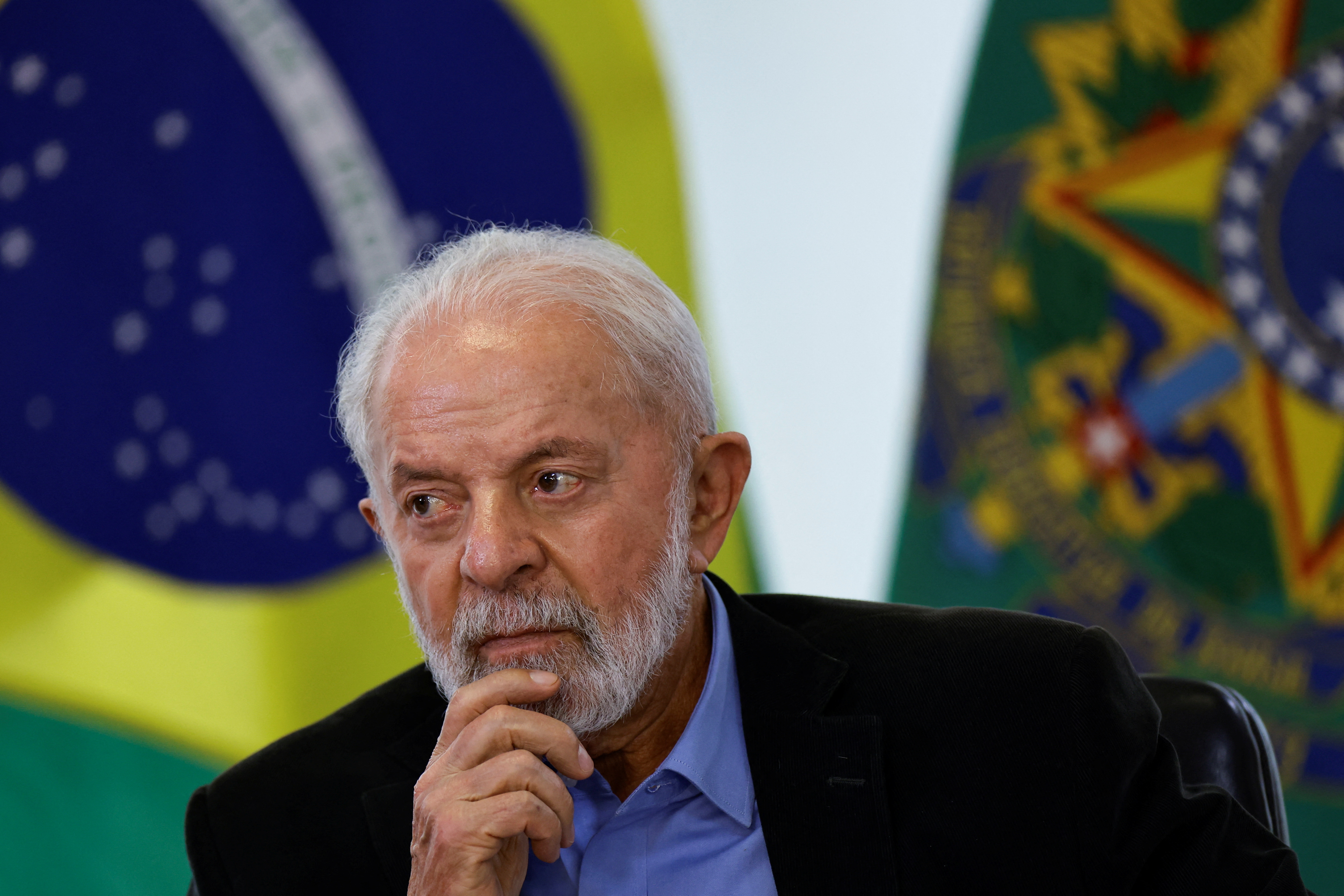
What the Government Announced
Desenrola 3.0 changes the mechanics of Brazil’s debt-relief programme. Where earlier phases pressed banks to renegotiate with their customers, the Union will now purchase portfolios of defaulted debt outright — bank and non-bank — at deep discounts, then pass the full discount on to the families concerned.
The government expects to reach around 50% of eligible debts, equivalent to roughly R$150 billion, and has budgeted about R$15 billion for the purchases, working on an average discount near 90%, CartaCapital and O Globo reported from Friday’s announcement.
The earlier phases worked through the banks themselves: Desenrola 2.0, opened in May 2026, offered renegotiation with discounts of up to 90% and later saw Banco do Brasil settle a large block of renegotiated loans. Phase three replaces persuasion with a direct purchase.
Eligible debts are credit-card revolving and instalment balances and personal loans without payroll deduction, with an original value of up to R$10,000, overdue for more than 720 and fewer than 1,645 days — roughly two to four and a half years — counted from 25 September 2026.
How the Debt Purchase Will Work
The government will buy the portfolios through auctions that rank proposals by the highest discount offered. Creditors must deliver the entirety of each debtor’s eligible credits — partial selection of individual loans is not allowed, which prevents banks from offloading only their worst paper.
Auctions may be run in batches and segmented by the nature of the debt — banking or non-banking — across 2026, 2027 and 2028. Caixa Econômica Federal and Banco do Brasil may operate the programme, including through credit-rights investment funds (FIDCs) in which the Union would hold quotas.
Once the Union owns a debt, the debtor can settle it in cash at the same discount the government obtained, or pay the remaining balance in instalments with interest, under conditions to be defined by the National Monetary Council.
The Calendar
The legal basis is a provisional measure (MP) amending Law 14,690 of 2023, the original Desenrola statute, whose final text is due in September 2026. The call for creditor proposals follows in November 2026, with proposals delivered in December.
Selected proposals are to be homologated in January 2027, and contracts signed with the discount pass-through — cash settlement or instalment plans — starting in February 2027. Additional income criteria and debtor-prioritisation rules can be set by a Finance Ministry act.
The Debt Mountain Behind the Programme
A National Treasury survey shows the scale of the problem: in August 2026, defaulted debts registered at credit bureaus (up to five years overdue) totalled R$592 billion, spread across 83.9 million people with negative credit records — 56% of them women.
Around 55% of that stock is non-bank debt — water, electricity, telephone and retail bills — with water and power alone accounting for about 20%. Desenrola 3.0’s bank-focused first auctions therefore address only part of the mountain; later batches are expected to reach non-bank creditors.
The announcement lands less than ten days before the first round of the presidential election, and alongside a separate government move to ban online betting operators. Opposition figures are likely to read the timing as electoral; the government frames it as the completion of a promise made when Desenrola began in 2023.
What We Could Not Confirm
We could not confirm how many individual families the programme expects to reach, nor the income thresholds and prioritisation criteria, which a Finance Ministry act is still to define.
It is also not yet clear how Congress will receive the provisional measure, or whether the R$15 billion fiscal cost estimate holds if auction discounts come in below 90%. We will update this report when the MP text is published.
Frequently Asked Questions
What is Desenrola 3.0 in Brazil?
It is the third phase of the federal debt-relief programme, announced on 25 September 2026. Instead of pressing banks to renegotiate, the Union will buy defaulted family debts from creditors at discounts of up to 90% and pass the discount on to debtors in full.
Which debts qualify for Desenrola 3.0?
Credit-card revolving and instalment debt and non-payroll personal loans with an original value of up to R$10,000, overdue between 720 and 1,645 days as of 25 September 2026. Income and prioritisation criteria are still to be defined by the Finance Ministry.
When will Desenrola 3.0 reach families?
The provisional measure is due in September 2026, creditor auctions begin with a call for proposals in November, homologation is planned for January 2027, and the first settlements or instalment plans should reach debtors from February 2027.
Sources
O Globo · CartaCapital · Terra
Connected Coverage
Desenrola 3.0 builds on the programme’s earlier phases — our report on the phase-two opening.
Desenrola 2.0: Brazil Opens $20 Billion Debt Relief Plan With 90% Discounts
Sources: O Globo; CartaCapital; Terra; Tesouro Nacional data.
This article was produced by The Rio Times’ automated newsroom system. How we use AI · Report an error
Read More from The Rio Times