Caixa Strike: Open-Ended Walkout Shuts Branches Across Brazil
Brazil · Economy
Key Facts
—The walkout. Caixa Econômica Federal employees began an open-ended strike on Thursday, September 10, 2026, after workers in 93 union bases rejected the bank’s offer; 35 bases are still negotiating.
—Banco do Brasil. A partial walkout: 27 union bases joined the strike — including Belo Horizonte and Bahia — while 60 rejected the offer but chose to keep talking first.
—The trigger. Caixa’s specific collective agreement was rejected by margins near 90% in the biggest bases. Demands center on the Saúde Caixa health plan, the career plan, pay and working conditions.
—What keeps running. Pix, banking apps, internet banking, ATMs and lottery outlets operate normally; strike law requires minimum teams for essential clearing services.
—The housing risk. Mortgage analysis, contract signings and disbursements can stall. In the 31-day bank strike of 2016, housing-credit concessions fell 24.2% in a single month.
—The backdrop. Household delinquency reached 29.9% in August, the CNC reported on Thursday, with family indebtedness at a record — pressure landing on the bank that serves Brazil’s poorest clients.
Employees of Caixa Econômica Federal, the state bank that processes most of Brazil’s mortgages and social payments, walked out on Thursday in an open-ended national strike — with Banco do Brasil staff joining in parts of the country and home-loan processing in the firing line.
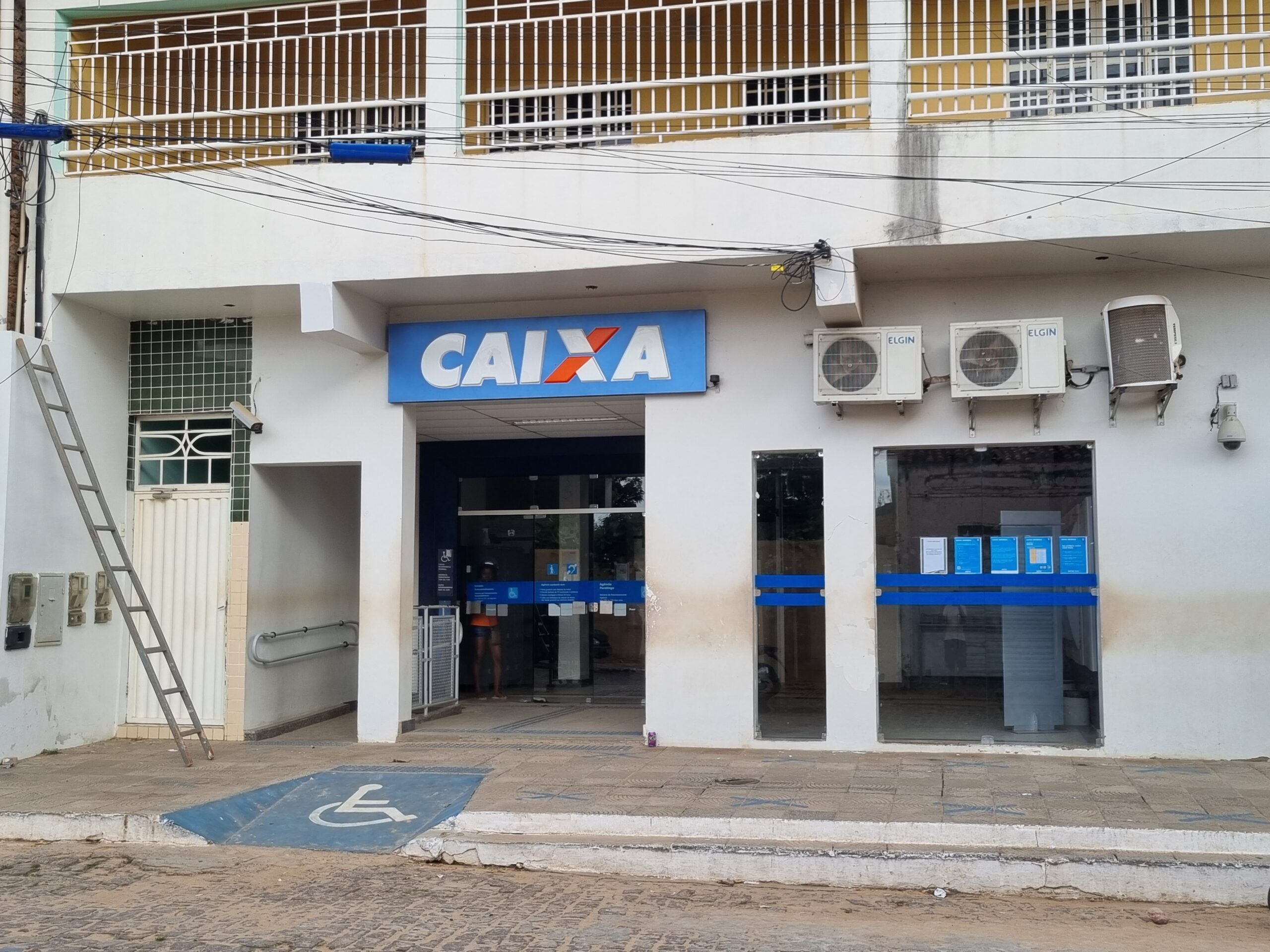
An Open-Ended Strike at the Country’s Biggest Public Lender
The strike began at midnight on Thursday, September 10, after a week of rolling assemblies across Brazil. Workers in 93 union bases voted to reject Caixa’s proposal for renewing the bank’s specific collective agreement and to stop work indefinitely; in 35 other bases, employees also rejected the offer but opted to keep negotiating before walking out.
The margins were overwhelming in the big bases. In São Paulo, Osasco and region, 90% voted against the bank’s proposal. In Belo Horizonte, 93.5% rejected it and 68.2% voted to strike. In Campo Grande, the rejection reached 87.6%. The CONTEC confederation formalized the strike notice under Law 7,783 of 1989, while its president, Lourenço Prado, stressed that the door remains open to a negotiated solution that could end the walkout early.
Caixa moved late. On Tuesday it called unions to a new negotiation round held Wednesday in São Paulo, citing the expiry of both the category-wide convention and the bank-specific agreement. The same day, unions representing private-bank workers — who had largely accepted the Fenaban offer of full INPC inflation compensation plus a 0.6% real increase in 2026 and again in 2027 — signed their new collective convention. The split is now official: private banks have a deal, the two big public banks do not.
Banco do Brasil: A Partial Walkout
At Banco do Brasil the picture is patchwork. Workers in 27 union bases rejected the bank’s proposal and joined Thursday’s strike; 60 bases also voted the offer down but preferred to reopen negotiations before stopping. In Belo Horizonte and its metropolitan region, BB employees followed Caixa’s lead: 81% rejected the proposal, and the strike option won 47.1% of votes against 43.9% for continued talks, closing both banks’ branches in the city from midnight, the Estado de Minas newspaper reported.
Bahia joined as well, with Caixa, Banco do Brasil and Banco do Nordeste staff stopping together. In São Paulo, by contrast, BB workers approved their bank-specific agreement and stayed at work — a reminder that this is a base-by-base conflict, not a single national shutdown. In Belo Horizonte, the union called the strike’s first rally for 10 a.m. in front of Caixa’s Século branch on Rua dos Carijós.
Live Company IntelligenceBanco do Brasil S.A. — the full investor dossier
Valuation & profitability
Price & risk
$17.6752-wk high
$27.36
Revenue trend · 6y
Ownership
Dividend
Home Loans in the Firing Line
The highest-stakes exposure sits in housing. Caixa originates the large majority of Brazilian mortgages, including virtually all subsidized Minha Casa, Minha Vida contracts. As Exame detailed on Thursday, a prolonged strike can delay every stage that still depends on bank staff: document analysis, credit approval, contract signing and the release of funds to sellers.
The cascade effects are real. Certificates and tax payment slips can expire while a file sits untouched; buyers who completed their part can miss contractual deadlines through no fault of their own. Real-estate lawyers Stéfano Ferri and Daniel Vicentini told Exame that buyers should document every step — protocols, approvals, e-mails, promised dates — and formally notify sellers or developers that completion depends on the bank. Their precedent is sobering: during the 31-day bank strike of 2016, housing-credit concessions fell 24.2% in a single month.
Caixa’s answer is to push clients to digital channels: the Caixa app, internet banking, WhatsApp, the Alô Caixa phone lines and the FGTS and Habitação apps remain fully operational, and lottery outlets plus Caixa Aqui correspondents keep offering in-person service. The bank says it has returned to the negotiating table. What it did not provide, Exame noted, is a specific procedure for urgent in-person cases — such as a scheduled mortgage signing.
A Strike Landing on Record Household Debt
The timing could hardly be more sensitive. Hours before the walkout began, the CNC retailers’ confederation reported that household delinquency ticked up to 29.9% in August from 29.8% in July, with family indebtedness holding at a record of about 82% — and with low-income families, those earning up to three minimum wages, leading August’s increase.
That is precisely Caixa’s core clientele: the bank runs the Caixa Tem app through which millions receive social benefits, holds the FGTS severance funds and dominates lending to the poor. A long strike at this bank, against this economic backdrop, in an election season, is a political problem for the government that owns it — not merely a labor dispute.
What Comes Next
Everything now depends on duration. A strike of a few days means queues and inconvenience; a strike measured in weeks means a mortgage backlog that outlasts the walkout itself, as 2016 showed. Watch the next negotiation round, new assemblies in the 35 Caixa bases still talking, and whether Banco do Brasil’s 60 undecided bases tip toward the picket lines. We previewed the build-up to this strike earlier this week.
Frequently Asked Questions
Is Caixa on strike?
Yes. Caixa Econômica Federal employees began an open-ended strike on September 10, 2026, after workers in 93 union bases rejected the bank’s offer; 35 bases are still negotiating. At Banco do Brasil, 27 bases joined the strike — including Belo Horizonte and Bahia — while 60 keep talking.
Can I still use Pix, the Caixa app and ATMs?
Yes. Pix, banking apps, internet banking, card payments and ATMs work normally, and lottery outlets plus Caixa Aqui correspondents remain open. Strike law requires minimum teams for essential clearing services, so basic payment infrastructure keeps running.
Will the strike delay my mortgage?
It can. Document analysis, credit approval, contract signing and disbursement still depend on Caixa staff. Lawyers advise buyers to document every step and formally notify sellers of any bank-caused delay. In the 31-day strike of 2016, housing-credit concessions fell 24.2% in one month.
Sources
Estado de Minas · Sindicato dos Bancários de BH (Belo Horizonte votes and rally, September 9, 2026) · FeebPR/Tempo Novo · meutudo (93 Caixa bases, 27 BB bases, September 8–9, 2026) · CONTEC (strike notice, September 5, 2026) · Exame (housing-finance impact, September 10, 2026) · Valor · InfoMoney (CNC August delinquency, September 10, 2026)
Connected Coverage
Brazil’s economy is slowing under record rates — and now its biggest public bank is on strike.
Brazil Bank Workers Strike From 10 September 2026
Brazil Services Sector Stalls in July as High Rates Bite
Brazil Opens Bank Accounts to Foreigners Through the CPF Tax Number
Business Brazil Coverage on The Rio Times
This article was produced by The Rio Times’ automated newsroom system. How we use AI · Report an error
Read More from The Rio Times
Rotate for Best Experience
This report is optimized for landscape viewing. Rotate your phone for the full experience.
You've reached your free article limit
Subscribe to The Rio Times for unlimited access to expert analysis, market intelligence, and daily briefings on Latin America.