Brazil Battery-Storage Auction Draws Record 296,807 MW
Energy: Brazil
Key Facts
—Record. EPE registered a record 296,807 MW of capacity — roughly 297 GW — for Brazil’s first storage-focused auctions.
—Volume. More than 6,000 projects (about 6,091) signed up, though only a fraction will ultimately be contracted.
—Auctions. Two events are scheduled: 2 December 2026 for projects meeting local-content rules and 4 December for open bids.
—Terms. Winners get 15-year contracts with fixed annual revenue indexed to inflation and supply starting 1 August 2028.
—Context. The scale shows how fast Brazilian capital is rotating into storage as the grid absorbs record solar and wind.
Brazil’s first battery-storage auction has drawn record interest, with grid planner EPE registering some 296,807 MW across more than 6,000 projects — far above what will be contracted — as capital pours into storage.
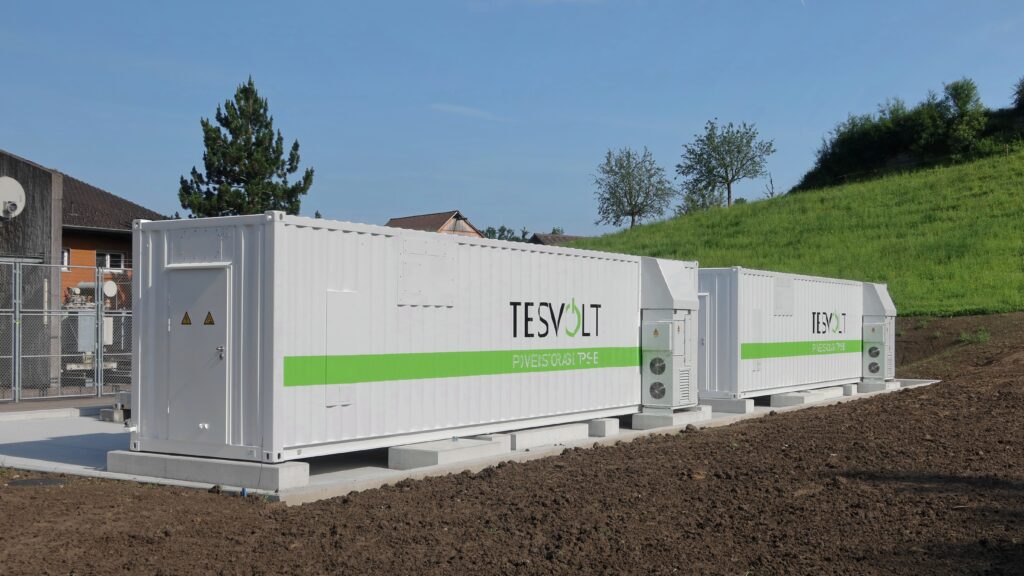
A Registration Number Far Bigger Than the Grid Will Buy
Brazil’s first auctions dedicated to energy storage have drawn an extraordinary response. The government’s energy-planning agency, EPE, says it registered a record 296,807 megawatts of capacity — roughly 297 gigawatts — across more than 6,000 projects, a volume that dwarfs anything the country will actually contract.
Registration is only an expression of interest, not a commitment. The 6,091 projects that signed up must still pass EPE’s technical qualification, and the auctions themselves will contract a small fraction of that headline figure. Even so, the sheer scale is being read as a signal of how much appetite exists for battery storage in Brazil.
For context, industry groups had estimated some 18 gigawatts of battery projects were ready to register before the window opened. The final tally came in many times higher, underscoring how quickly developers have mobilised around a market that did not formally exist a year ago.
What EPE Is Actually Auctioning
The events are structured as capacity-reserve auctions, known in Brazil as LRCAP, designed to pay for the ability to store and dispatch power when the grid needs it rather than for energy alone. Winners receive 15-year contracts with fixed annual revenue adjusted for inflation, and supply obligations starting on 1 August 2028.
Registration ran from 15 June to 31 July 2026 through EPE’s online system. From here, EPE analyses and technically qualifies the projects, trimming the vast registered pool down to those eligible to compete when bidding takes place at the end of the year.
The design reflects a deliberate policy choice: rather than build more thermal plants to firm up the grid, the government is inviting the market to offer batteries. Official estimates have pointed to investment potential of around R$10 billion (about US$2 billion) and annual system savings of roughly R$3.2 billion (about US$630 million) compared with gas-fired alternatives.
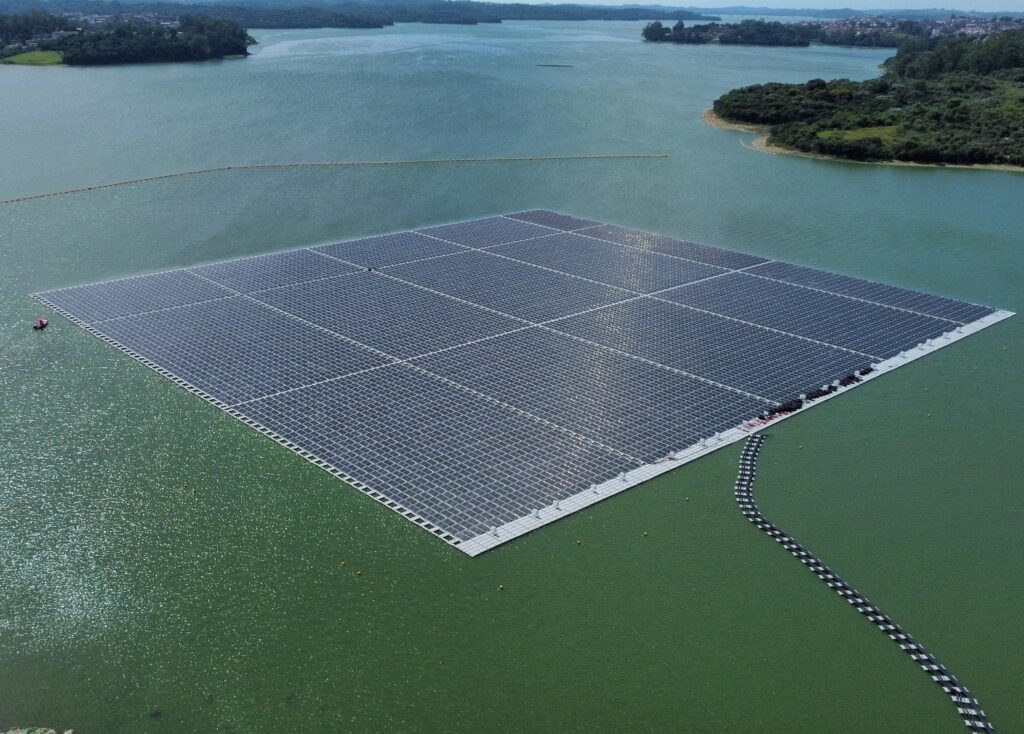
Why Brazil Needs Storage Now
The storage push is a direct response to Brazil’s own success with renewables. Solar and wind capacity has grown so fast that the grid now routinely produces more power than it can use at midday, forcing operators to curtail generation and waste clean energy that batteries could instead capture and release after sunset.
Storage smooths that mismatch. By soaking up cheap midday solar and discharging into the evening peak, batteries reduce curtailment, ease congestion on transmission lines and cut reliance on fossil-fuel plants kept on standby. For a system as hydro-dependent as Brazil’s, they also add flexibility during dry spells.
That is why capital is rotating so quickly into the sector. Developers who built solar and wind farms are now looking to pair or replace them with storage, and the auction gives them a long-term, inflation-linked revenue stream to underwrite the investment.
How the Brazil Battery Storage Auction Is Structured
The Brazil battery storage auction is really two events. The first, on 2 December 2026, is reserved for projects that meet local-content requirements, using financing tied to the national development bank’s equipment-financing system to favour domestically produced hardware.
The second, on 4 December 2026, is open to projects using imported equipment, with no local-content condition. Splitting the auction lets the government pursue two goals at once: building a domestic storage-manufacturing base while still tapping the lower prices that global battery supply chains can offer.
Both tracks lead to the same 15-year, inflation-indexed contracts beginning in 2028. Analysts note that the structure gives developers a rare degree of revenue certainty, which helps explain why so many rushed to register even knowing that most will not win. Trade outlets such as ESS News have tracked major developers lining up hundreds of megawatts each.
What the Record Signals for Investors
The headline number matters less as a forecast of installed capacity than as a barometer of confidence. A registration book of nearly 297 gigawatts tells policymakers and investors that the market believes storage will be central to Brazil’s grid, and that developers are willing to spend time and money to get in early.
It also sets up a highly competitive auction. With far more capacity registered than will be contracted, bidding is likely to be aggressive, potentially driving down the prices the government ultimately pays and testing how thin margins can get before projects stop making sense.
For foreign investors watching Brazil’s energy transition, the auction is a milestone: the moment a country already rich in solar, wind and hydro formally begins buying the storage that ties them together. The results in December will show how much of this record interest converts into steel, silicon and lithium on the ground.
More: Brazil news in English, every day from The Rio Times.
Frequently Asked Questions
How many projects registered for Brazil’s battery-storage auction?
EPE registered more than 6,000 projects — about 6,091 — totalling a record 296,807 MW, roughly 297 GW, of capacity. Only a fraction will ultimately be contracted.
When are the Brazil battery-storage auctions?
Two auctions are scheduled: 2 December 2026 for projects meeting local-content rules and 4 December 2026 for projects using imported equipment. Both offer 15-year contracts starting in 2028.
Why is Brazil auctioning battery storage now?
Rapid growth in solar and wind has left the grid with surplus midday power. Storage captures that energy for evening use, cutting curtailment and reliance on fossil-fuel plants.
Sources
Brasil 247 / EPE · InfoMoney · ESS News · Petronóticias · Canal Energia
Connected Coverage
Brazil Energy & Infrastructure Briefing
More Brazil energy and infrastructure coverage from The Rio Times
Sources: Brasil 247, InfoMoney, ESS News, Petronóticias, Canal Energia.
This article was drafted with automated assistance and reviewed before publication. How we use AI · Report an error
Read More from The Rio Times