Brazil’s Second Open Letter on the Court Crisis Has 198 Signatures
BRAZIL · INSTITUTIONS
Key Facts
- —What happened 198 public figures signed a letter backing Chief Justice Edson Fachin on Sunday 13 September.
- —Who signed Former government ministers from three presidencies, jurists, economists, business leaders and union heads.
- —The demand A rigorous and impartial investigation, and transparency about it.
- —The line that carries it That the court cannot allow its jurisdiction to be captured by improper interests.
- —The other letter Thirteen retired Supreme Court justices wrote separately on 8 September. It is a different document.
- —What neither letter does Neither takes a position on whether any justice committed an offence.
Two open letters, five days apart, are being quoted as though they were one. They have different signatories and they ask for different things.
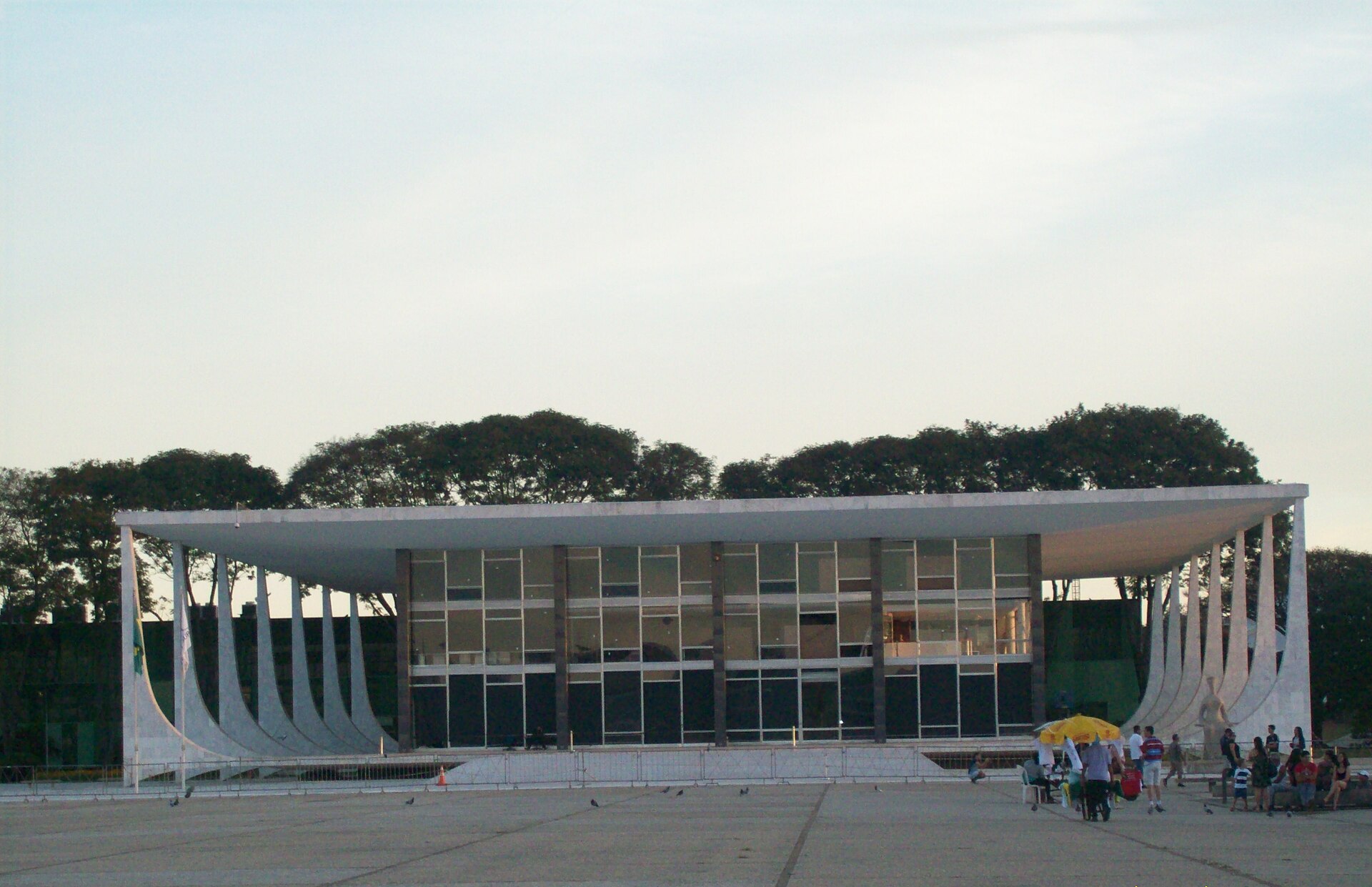
A second open letter about the crisis at Brazil’s Supreme Court was released on Sunday. It carries 198 signatures and none of them belongs to a judge.
Who Signed the Second Letter
The signatories are drawn from across Brazilian public life, and across party lines.
Former ministers served under three presidents: Fernando Henrique Cardoso, Luiz Inácio Lula da Silva and Dilma Rousseff.
Named signatories include former finance minister Pedro Malan, former central bank president Arminio Fraga and the economist André Lara Resende.
Two former justice ministers signed, José Carlos Dias and José Eduardo Cardozo. So did the jurists Miguel Reale Junior, Oscar Vilhena Vieira and Joaquim Falcão, and the former human rights minister Paulo Vannuchi.
The business names include Candido Bracher and Fabio Barbosa. The union federations CUT, Força Sindical, UGT and CTB are also represented.
What It Says
The central line is that the court cannot allow its jurisdiction to be captured by improper interests.
It calls for a rigorous and impartial investigation, and for transparency in how that investigation is conducted.
It does not accuse any justice of anything. It does not call for anyone to resign or be removed.
The letter was coordinated by a small group after a video call on 9 September. Fraga, Malan, Vilhena Vieira and Reale Junior organised it.
The First Letter Was Different
On 8 September, thirteen retired Supreme Court justices wrote their own letter. That is the document most often cited.
The signatories include Celso de Mello, Rosa Weber, Carlos Ayres Britto, Joaquim Barbosa, Nelson Jobim, Ellen Gracie and Cezar Peluso.
They described the moment as the sharpest crisis in the court’s history. They asked for immediate and rigorous investigation under due process, and for a public session.
Celso de Mello issued a separate note of his own. No authority, he wrote, stands above the law.
Why Mixing Them Up Matters
The two letters carry different weight because they come from different places.
A letter from thirteen former members of the court is an internal judgement about the institution. A letter from 198 figures outside it is a political signal.
Rosa Weber and Ayres Britto are not among the 198. Describing the second letter as signed by retired justices is simply wrong.
The phrase 198 former ministers is also wrong. The 198 is the total across every category, and the ministers are government ministers rather than judges.
What the Letters Are Responding To
The court faces a decision this week on whether police may investigate one of its own members. The plenary meets on Tuesday 15 September.
The case arises from material recovered from the phone of the banker Daniel Vorcaro. Chief Justice Edson Fachin has opened a second, separate file on how that material was handled.
Both letters are addressed to Fachin. Both frame their support around process rather than outcome.
What This Tells a Foreign Reader
Open letters are a recognised instrument in Brazilian public life. They signal that a dispute has moved beyond the institution it started in.
The breadth of the second letter is the notable part. Signatories who disagree on almost everything else have signed the same paragraph.
That does not resolve anything. It does indicate that the crisis is now understood as institutional rather than partisan.
What Is Not Known
Neither letter has drawn a public response from the justices named in the underlying case.
The full list of 198 signatories has not been published in any outlet reached for this report. The named figures above are those confirmed.
Whether the letters influence Tuesday’s vote cannot be known. No justice has signalled a position in public.
More: Brazil news and analysis, every day from The Rio Times.
Frequently Asked Questions
How many people signed the second letter?
198, released on Sunday 13 September 2026.
Who are they?
Former government ministers, jurists, economists, business leaders and union presidents. No serving or retired judges.
What does the letter ask for?
A rigorous and impartial investigation, and transparency about how it is conducted.
Is this the same as the retired justices’ letter?
No. Thirteen retired justices wrote separately on 8 September, including Rosa Weber and Carlos Ayres Britto.
Do the letters accuse anyone?
No. Neither takes a position on whether any justice committed an offence.
What are they responding to?
A plenary vote on 15 September on whether police may investigate Justice Alexandre de Moraes.
Sources: Metrópoles, Revista Fórum, BBC News Brasil, A Gazeta, CNN Brasil.
This article was produced by The Rio Times’ automated newsroom system. How we use AI · Report an error
Read More from The Rio Times