Bogotá Moves to Raise Its Bank Turnover Tax by Half
COLOMBIA · BANKING
Key Facts
- —What is the ICA A Colombian municipal tax on business turnover. Every city sets its own rate, charged per thousand pesos of revenue.
- —What Bogotá proposed Raising the rate on financial firms from 14 to 21 per thousand. The first debate cut that to 20.
- —Who objects Colombia’s banking association, Asobancaria, and the country’s largest banking group, Grupo Aval.
- —Their figure COP 500,000 million, about US$160.8 million, in additional annual cost. It is an Asobancaria estimate.
- —Who endorsed it María Lorena Gutiérrez, president of Grupo Aval.
- —Is it law No. It has passed one debate in the Bogotá council and can still change or fail.
Bogotá wants half again as much tax from its banks. The banks have put a number on what that would cost them.
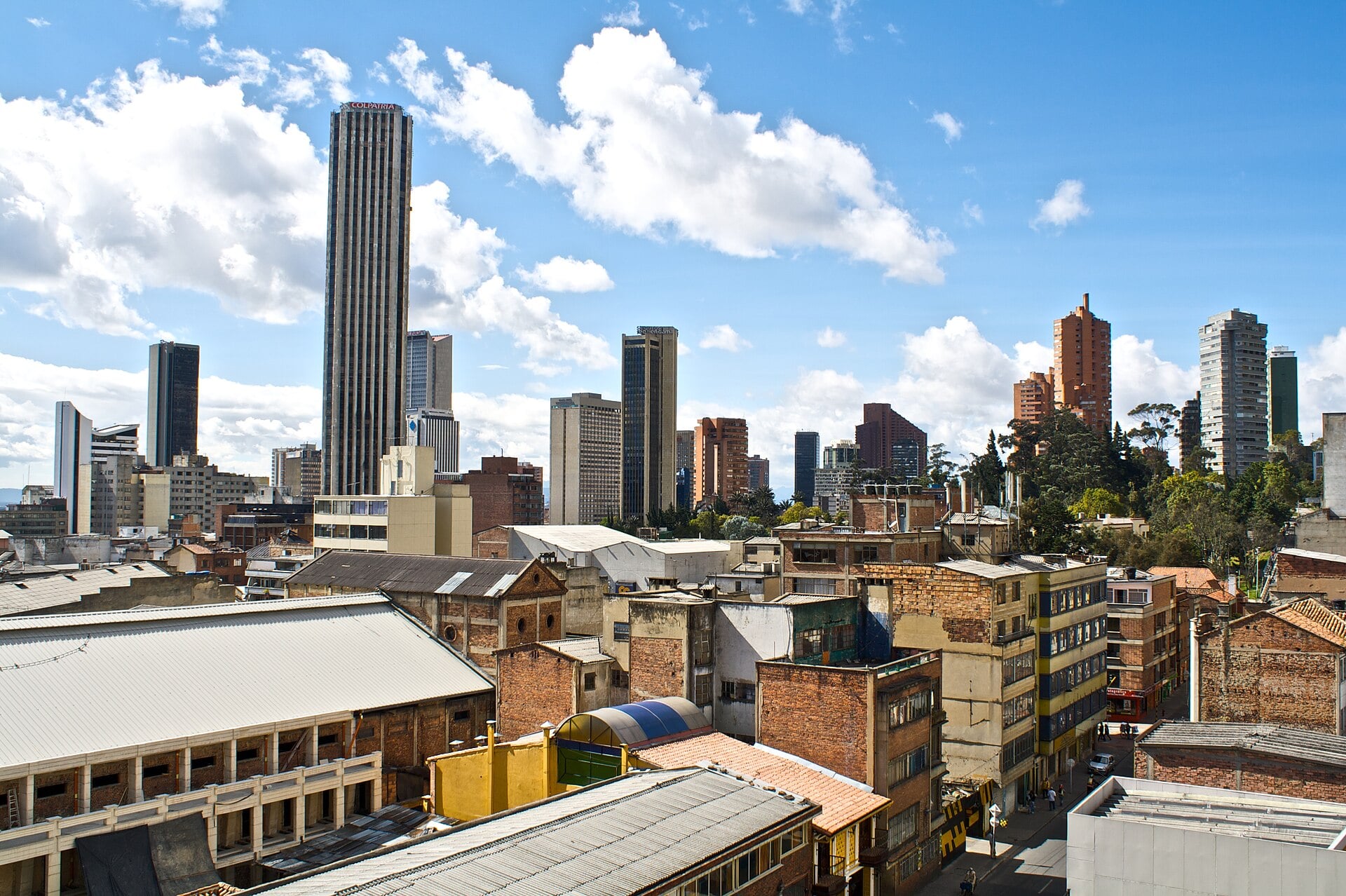
Bogotá has proposed raising its business turnover tax on financial institutions from 14 to 21 per thousand pesos of revenue. A first debate reduced the figure to 20, and the measure is not yet law.
How the ICA Works
The impuesto de industria y comercio is charged by Colombian municipalities on gross business revenue, not on profit.
Rates are expressed per mil, per thousand pesos of turnover. A rate of 14 per mil means 1.4% of revenue.
Because it falls on revenue rather than profit, a business pays it whether or not it made money that year.
Each of Colombia’s 1,100 municipalities sets its own rates within limits fixed by national law. Bogotá is the largest single jurisdiction by a wide margin.
What Is Proposed
The city administration proposed moving the financial-sector rate from 14 to 21 per mil, an increase of half.
In the first debate in the Bogotá council, that was trimmed to 20 per mil.
A measure that has passed one debate has cleared roughly a third of the process. Further debates and a final vote remain.
Colombian municipal tax changes typically take effect from the following tax year, which would make 2027 the earliest impact.
The Industry Number
Asobancaria, the banking association, estimates the additional annual cost at COP 500,000 million, about US$160.8 million.
María Lorena Gutiérrez, president of Grupo Aval, endorsed that figure publicly.
Grupo Aval controls four Colombian banks, among them Banco de Bogotá and Banco de Occidente. It is the largest financial group in the country.
The estimate is the industry’s own. The city has not published a competing figure.
Where the Cost Would Actually Land
Turnover taxes on financial firms are usually passed through, because a bank prices its products against its total cost base.
In practice that means lending spreads, account fees and the rates offered on deposits.
Colombian banks already operate with some of the wider interest margins in Latin America. That is the argument the city makes for the increase.
The counter-argument is that a revenue tax on a sector with thin margins on some products falls hardest on the cheapest products.
Why Bogotá Needs the Money
The city runs a capital programme dominated by the Bogotá metro. Its first line is under construction and years from completion.
Municipal revenue in Colombia depends on property tax, the ICA and transfers from the national government.
National transfers are under pressure, with the 2027 national budget devoting about a quarter of spending to debt service.
A city that cannot rely on growing transfers looks to the taxes it controls directly.
What It Means for Residents and Businesses
Anyone banking in Bogotá would see the effect, if at all, in fees and spreads rather than in a visible tax line.
Businesses outside the financial sector are not affected by this particular rate change.
Foreign residents holding Colombian accounts are treated exactly as Colombian nationals are. The tax falls on the bank, not the customer.
Companies operating in several Colombian cities already file ICA separately in each one, and Bogotá is usually the largest line.
What to Watch
The remaining council debates and the final vote.
Whether the rate settles at 20, returns to 21, or is dropped.
Whether the banks publish a methodology behind the COP 500,000 million figure, about US$160.8 million. So far it has been given as a total rather than shown.
And whether other Colombian cities follow. Medellín and Cali set their own rates and watch Bogotá closely.
More: Colombia news and analysis, every day from The Rio Times.
Frequently Asked Questions
What is Colombia’s ICA tax?
A municipal tax on gross business revenue, charged per thousand pesos of turnover. Each city sets its own rates.
What is Bogotá proposing?
Raising the financial-sector rate from 14 to 21 per thousand. A first debate reduced it to 20.
How much would it cost the banks?
Asobancaria estimates COP 500,000 million a year, about US$160.8 million. That is the industry’s own figure.
Who is María Lorena Gutiérrez?
The president of Grupo Aval, Colombia’s largest financial group, who endorsed the Asobancaria estimate.
Is the increase law?
No. It has passed one debate in the Bogotá council and can still change or fail.
Would bank customers pay?
Indirectly. Turnover taxes on banks are generally reflected in fees, lending spreads and deposit rates.
Sources: Concejo de Bogotá, Asobancaria, Grupo Aval, Secretaría de Hacienda de Bogotá, La República, Portafolio.
This article was produced by The Rio Times’ automated newsroom system. How we use AI · Report an error
In depth
Read More from The Rio Times