Bessent Labels Fed as Universal Basic Income for Academic Economists, Urges Probe into Their Shortcomings
Treasury Secretary Scott Bessent shared his views during a television interview on July 21, 2025.
He focused on the Federal Reserve’s performance. Bessent stressed the need to examine the institution’s success.
Bessent described the Fed as universal basic income for academic economists. He questioned what all those PhDs do daily. This comment highlights his frustration with their mindset.
He compared the Fed to the FAA amid mistakes. Bessent argued that repeated errors demand a full review. Officials would investigate the FAA for similar issues, he noted.
Bessent avoided direct advice on firing Chair Jay Powell. He mentioned leakers provide only partial information. President Trump solicits many opinions before deciding, Bessent explained.
Reports suggested Bessent urged Trump against dismissing Powell. Bessent neither confirmed nor denied this. He praised Trump’s executive style over past presidents.
Powell’s term ends in May 2026, Bessent stated. Another Fed seat opens in January 2026. These changes offer chances for adjustments.
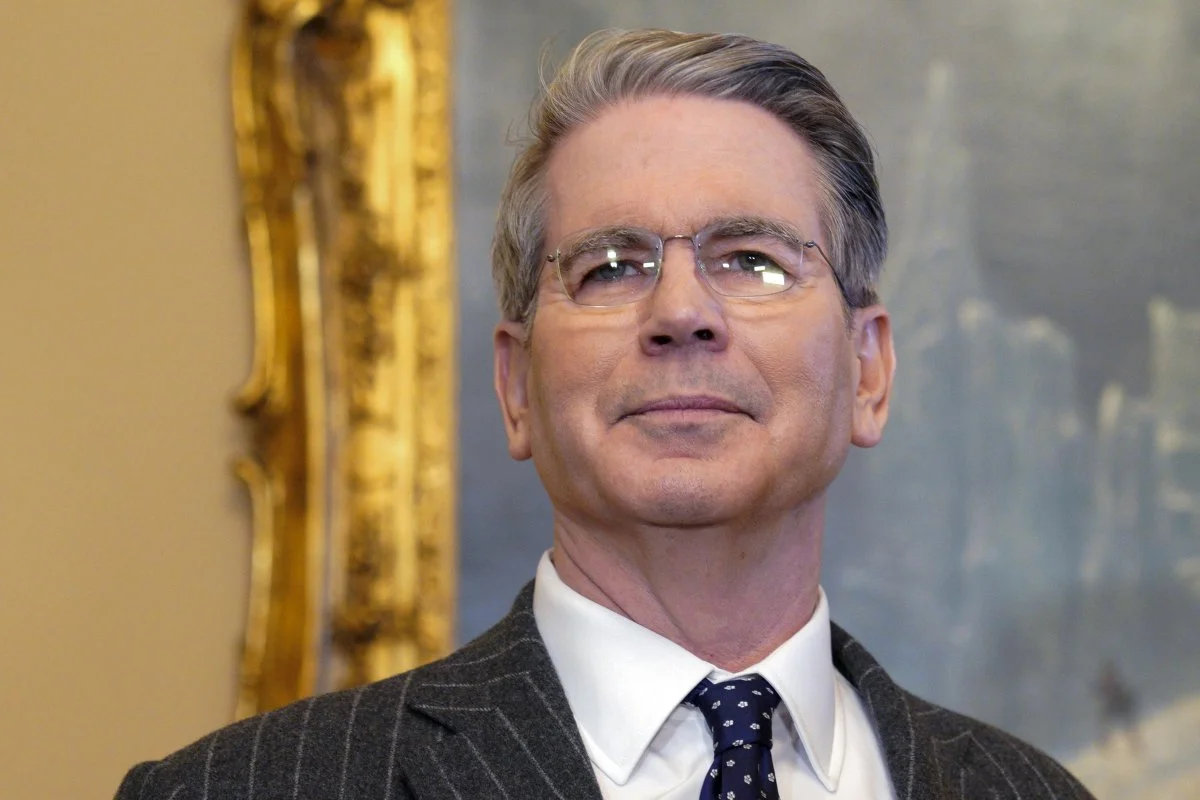
Bessent Labels Fed as Universal Basic Income for Academic Economists and Urges Probe into Their Shortcomings
Senator Elizabeth Warren warned that ousting Powell could crash markets. Bessent called her view an opinion. He noted Warren’s past harsh criticism of Powell.
Bessent tied Fed critiques to recent economic data. Tariffs sparked fear-mongering in April, he said. Yet, inflation stayed low with great numbers.
This outcome challenges Fed predictions on trade impacts. Bessent sees it as proof of their rigid thinking.
The U.S. holds massive trade deficits with partners like the EU. Tariffs affect surplus countries more, Bessent argued. This pressure speeds negotiations for better deals.
Recent Indonesia agreement shows this approach works. The U.S. imposed 19% tariffs on their exports. Indonesia set zero tariffs on U.S. goods.
Indonesia committed to massive purchases of U.S. agriculture and Boeing airplanes. The deal removed 11,000 tariff lines, including non-tariff barriers. Five iterations improved the offers.
Powell’s Record Raises Doubts as Trump Pushes for a Stronger Fed Leader
Bessent linked rate cuts to productivity gains. He recalled the 1990s IT revolution enabled non-inflationary growth. AI advances could repeat this soon.
Tech leaders predict AI boosts by early 2026. Lower rates would unlock housing markets. Many Americans face barriers to homeownership now.
A capital expenditure boom follows recent legislation. Companies delayed investments until passage. Third and fourth quarters may show acceleration.
Bessent envisions high growth with low inflation. This golden age aligns monetary policy with trade goals. Strong economy undercuts no-rate-cut arguments.
This article was produced by The Rio Times’ automated newsroom system. How we use AI · Report an error · Editorial responsibility: Matthias Camenzind, Editor-in-Chief