New Portuguese Immigration Laws Prioritize Skills and Tighten Family Entry
Portugal has seen its foreign population grow dramatically in recent years, reaching over 1 million by the end of 2023—about 15% of the country’s total population.
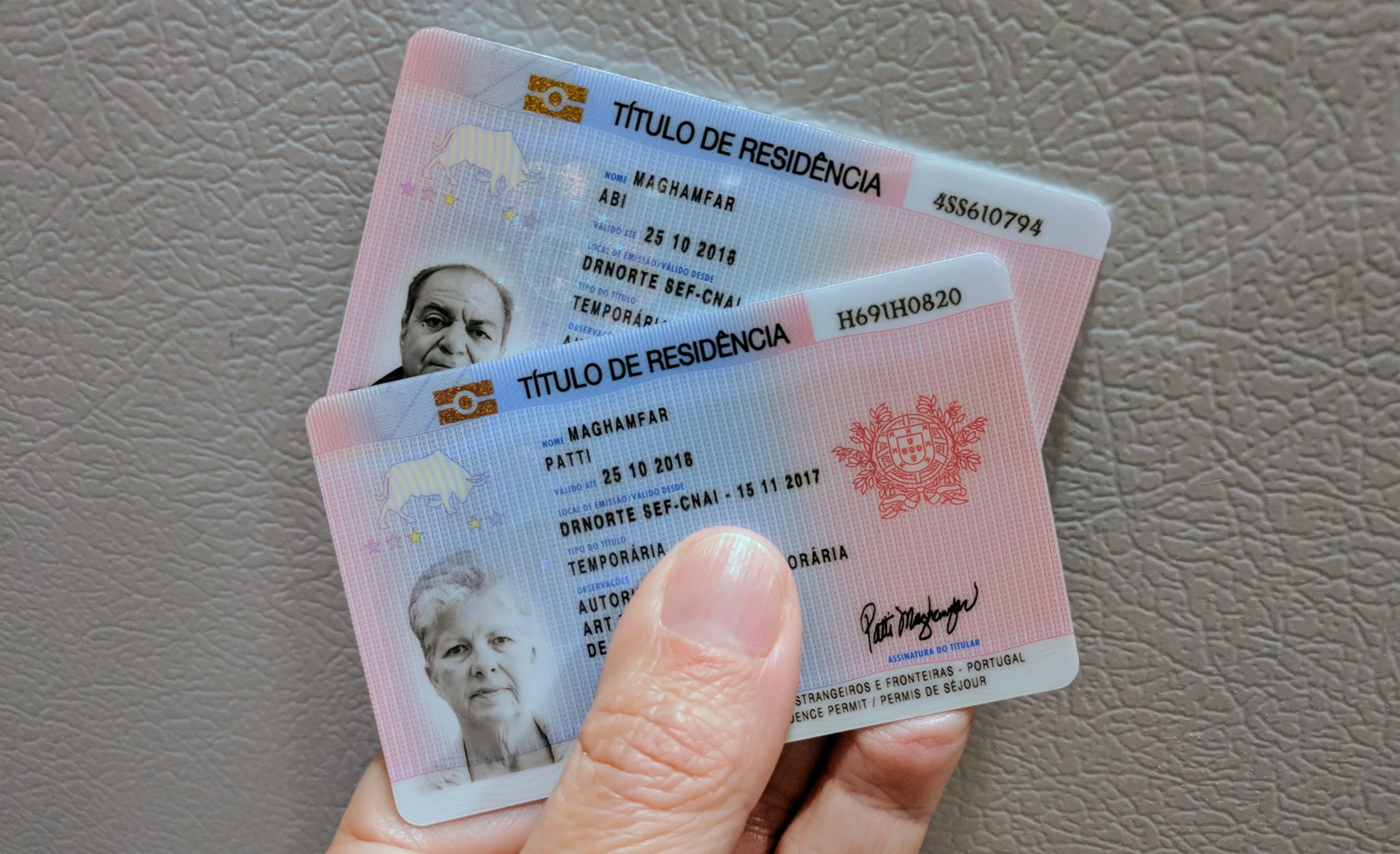
Brazilians make up the largest foreign group, receiving more than 147,000 residence permits in 2023 alone, nearly half of all permits issued.
This growth followed years of more open immigration policies aimed at filling labor shortages, especially in sectors like construction and services.
Now, the government has changed the immigration laws to slow this growth and focus on attracting only highly skilled workers.
The parliament ended the “expression of interest” system, which had allowed undocumented immigrants to legalize their status based on work records.
Only those already registered by June 2024 can still apply under this system, and only until the end of 2025.
Work visas will now be limited to people with specialized skills, and job seekers must find work within 120 days or leave Portugal for a year before trying again.
New Portuguese Immigration Laws Prioritize Skills and Tighten Family Entry
For citizens of Portuguese-speaking countries, including Brazil, the rules are stricter: only those who begin the legal process before arriving or who qualify as highly skilled can get residence permits.
Family reunification has become tougher. Legal residents must now live in Portugal for at least two years before their families can join them.
Citizenship rules have also grown stricter: applicants need seven years of legal residence before applying if from Portuguese-speaking countries, or ten years otherwise.
Portugal Makes It Harder to Get Citizenship: What Migrants and Businesses Need to Know
Children born in Portugal qualify for citizenship only if a parent has legally lived in the country for at least three years.
These changes mark a clear shift in Portugal’s immigration policy—from broad acceptance of foreign workers to a selective system focused on economic needs and social stability.
The government aims to reduce pressure on public services and ensure immigrants fill critical jobs, rather than lower-skilled roles.
Portugal faces a historic demographic change, with immigration almost doubling the foreign population in six years.
These reforms reflect a strategic move to better control migration, protect social programs, and prioritize economic sectors that need highly qualified workers.
As a result, thousands of immigrants, particularly Brazilians, face more obstacles to living and working legally in Portugal.
This new approach sets Portugal apart in Europe as it navigates the balance between welcoming newcomers and managing national interests.
This article was produced by The Rio Times’ automated newsroom system. How we use AI · Report an error
Read More from The Rio Times