IBOV 186,595.60 ▲ 0.74% IPSA 11,357.82 ▼ 0.21% IPC MEX 63,133.88 ▼ 0.38% MERVAL 2,998,956 ▼ 0.76% COLCAP 2,565.55 ▲ 0.68% BVL PERÚ 59,344.04 ▲ 0.31% USD/BRL5.11▼ 0.58% USD/MXN17.21▼ 0.07% USD/CLP946.95▼ 1.30% USD/COP3,198▲ 0.73% USD/PEN3.38▼ 0.01% USD/ARS1,514▼ 0.03% USD/UYU40.14▼ 0.05% USD/PYG5,926▲ 0.34% USD/BOB10.95▲ 10.05% USD/DOP59.26▲ 0.87% USD/CRC443.27▼ 0.27% USD/GTQ7.63▼ 0.05% USD/HNL26.86▲ 0.03% USD/NIO36.62▲ 2.80% USD/VES850.29▲ 0.21% USD/PAB1.00— 0.00% USD/BZD2.00— 0.00% USD/JMD 157.28 — 0.00% USD/TTD6.76▲ 0.17% EUR/BRL5.86▼ 0.83% BRENT 88.88 ▼ 0.03% WTI 83.11 ▼ 0.11% IRON ORE 161.91 — — COPPER 6.61 ▲ 0.03% GOLD 4,461 ▲ 1.78% SILVER 65.59 ▲ 1.26% SOY 1,184 ▲ 3.20% CORN 480.50 ▲ 10.02% WHEAT 655.00 ▲ 3.93% COFFEE 317.25 ▼ 5.51% SUGAR 16.43 ▼ 1.79% ORANGE JUICE 138.55 ▼ 0.47% COTTON 85.03 ▲ 2.33% COCOA 5,719 ▲ 3.18% BEEF 223.60 ▼ 3.93% CATTLE 339.10 ▼ 3.16% LITHIUM 75.20 ▲ 1.47% PETR4 41.64 ▼ 0.05% VALE3 72.97 ▲ 0.83% ITUB4 38.60 ▼ 1.03% BBDC4 16.85 ▲ 0.36% ABEV3 14.89 ▼ 0.80% BBAS3 19.37 ▲ 0.47% B3SA3 14.26 ▼ 0.21% WEGE3 47.59 ▲ 0.49% PRIO3 59.14 ▼ 0.19% SUZB3 41.33 ▲ 2.35% RENT3 34.68 ▼ 0.09% AZZA3 15.89 ▼ 2.63% CSAN3 3.22 ▼ 1.83% RAIZ4 0.25 — 0.00% PCAR3 2.75 ▼ 0.36% GMAT3 3.65 ▼ 1.08% PSSA3 48.13 ▼ 0.54% CVCB3 1.33 ▼ 2.92% POSI3 3.36 ▲ 2.44% SLCE3 13.34 ▲ 0.30% NATU3 8.14 ▼ 0.73% IBOV 186,595.60 ▲ 0.74% IPSA 11,357.82 ▼ 0.21% IPC MEX 63,133.88 ▼ 0.38% MERVAL 2,998,956 ▼ 0.76% COLCAP 2,565.55 ▲ 0.68% BVL PERÚ 59,344.04 ▲ 0.31% USD/BRL 5.16 ▲ 0.01% USD/MXN 17.06 ▼ 0.24% USD/CLP 913.98 ▲ 0.04% USD/COP 3,140 ▲ 0.03% USD/PEN 3.36 ▼ 0.66% USD/ARS 1,493 ▲ 0.10% USD/UYU 40.27 ▲ 1.24% USD/PYG 5,939 ▲ 1.68% USD/BOB 11.64 ▼ 0.76% USD/DOP 58.34 ▲ 1.25% USD/CRC 445.92 ▲ 0.89% USD/GTQ 7.62 ▲ 2.21% USD/HNL 26.79 ▲ 1.57% USD/NIO 36.62 ▲ 0.69% USD/VES 762.44 ▼ 0.13% USD/PAB 1.00 — 0.00% USD/BZD 2.00 — 0.00% USD/JMD 157.28 — 0.00% USD/TTD 6.70 ▲ 0.61% EUR/BRL 5.95 ▲ 1.01% BRENT 88.88 ▼ 0.03% WTI 83.11 ▼ 0.11% IRON ORE 161.91 — — COPPER 6.61 ▲ 0.03% GOLD 4,461 ▲ 1.78% SILVER 65.59 ▲ 1.26% SOY 1,184 ▲ 3.20% CORN 480.50 ▲ 10.02% WHEAT 655.00 ▲ 3.93% COFFEE 317.25 ▼ 5.51% SUGAR 16.43 ▼ 1.79% ORANGE JUICE 138.55 ▼ 0.47% COTTON 85.03 ▲ 2.33% COCOA 5,719 ▲ 3.18% BEEF 223.60 ▼ 3.93% CATTLE 339.10 ▼ 3.16% LITHIUM 75.20 ▲ 1.47% PETR4 41.64 ▼ 0.05% VALE3 72.97 ▲ 0.83% ITUB4 38.60 ▼ 1.03% BBDC4 16.85 ▲ 0.36% ABEV3 14.89 ▼ 0.80% BBAS3 19.37 ▲ 0.47% B3SA3 14.26 ▼ 0.21% WEGE3 47.59 ▲ 0.49% PRIO3 59.14 ▼ 0.19% SUZB3 41.33 ▲ 2.35% RENT3 34.68 ▼ 0.09% AZZA3 15.89 ▼ 2.63% CSAN3 3.22 ▼ 1.83% RAIZ4 0.25 — 0.00% PCAR3 2.75 ▼ 0.36% GMAT3 3.65 ▼ 1.08% PSSA3 48.13 ▼ 0.54% CVCB3 1.33 ▼ 2.92% POSI3 3.36 ▲ 2.44% SLCE3 13.34 ▲ 0.30% NATU3 8.14 ▼ 0.73%
since 2009
Tuesday, September 22, 2026

Beneath the Surface: How Chilean Businesses Balance Growth and Rising Threats in 2025

By · July 28, 2025 · 2 min read

The LatAm Brief

One email, every weekday morning. What moved in Latin American markets, politics and expat life.

Yesterday’s subject line: “Venezuela's New York week: oil signed, the bounty stays”

Free. We send a confirmation link first — nothing arrives until you click it. Unsubscribe with one click in any edition. If you stop opening us for 30 days we stop sending by ourselves, as we assume the interest is no longer there. See our privacy policy. We never share your email.

Chile’s economy pushes forward in 2025 but faces growing obstacles. Official data from the Central Bank and recent national business surveys show companies expect better sales and profits compared to last year.

Still, optimism has cooled. Half of businesses forecast profit gains, and nearly two-thirds anticipate more sales—both numbers are slightly down from late 2024.

Higher wages now power local spending. The government raised the monthly minimum wage to 529,000 pesos ($558) in May.

Most firms plan pay increases that keep pace with inflation, but rising salaries and benefits add cost pressures. Companies also cite higher expenses for raw materials and risk reduced profit margins.

Despite the hurdles, more Chilean firms say they will invest in expanding their operations than in previous years, focusing mainly on production upgrades and technology as ways to stay competitive.
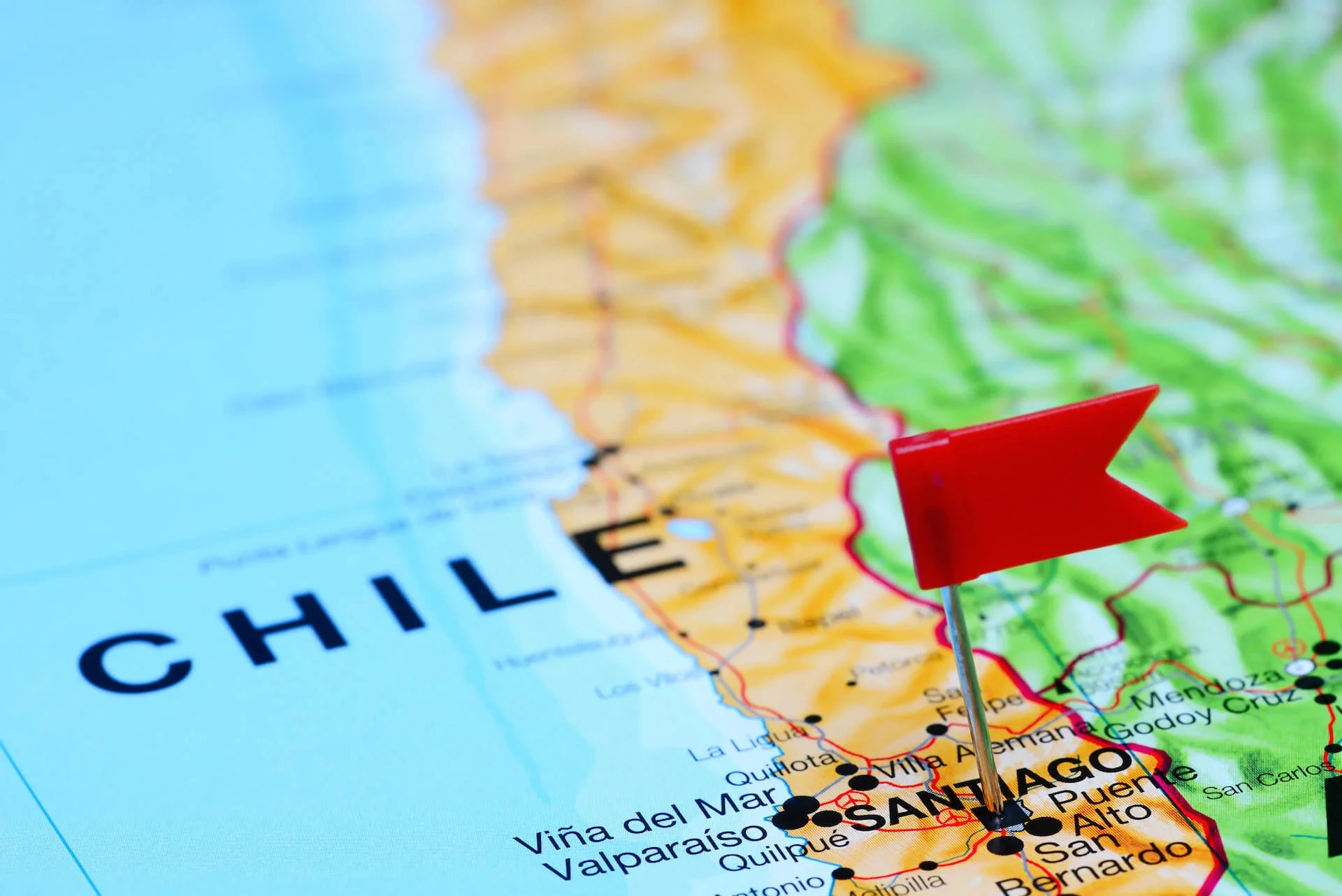
Beneath the Surface: How Chilean Businesses Balance Growth and Rising Threats in 2025
Beneath the Surface: How Chilean Businesses Balance Growth and Rising Threats in 2025.
One-stop reference
Company Intelligence
Every listed company in Latin America — financials, ownership and structure for 1,450+ companies across 26 exchanges, in one place.
Browse the directory →
RT
Ask Rio Times
17 years of Latin America reporting, on demand.
Open the full Ask Rio Times →

Direct foreign investment still tops $18 billion a year, keeping Chile attractive to international capital. However, public security stands out as a key risk.

Surveys reveal 74% of company leaders rank crime and insecurity as a top business problem, costing the country about $8.2 billion annually—over 2.5% of GDP, based on budget and police data.

Shifting rules and costly compliance also complicate planning. New labor and data regulations require urgent upgrades to legal and internal risk systems.

While intended to build trust with global trade partners, these changes mean more work and extra costs for Chilean companies. From abroad, business leaders see further threats.

Six out of ten Chilean executives say international tensions, trade disputes, and higher tariffs—especially in major markets—are making it tougher to grow.

Most firms now focus on the domestic market or nearby economies like Peru and Colombia rather than expanding globally. Behind the numbers is a story of challenge and adjustment.

Businesses want to grow, but costs are rising, regulations keep shifting, and safety concerns weigh on daily decisions. Many firms stay disciplined, look for higher productivity, and invest cautiously—showing both resilience and realism as times get tougher.

In short, Chile stands at a crossroads. While opportunities remain and economic fundamentals are stable, business leaders and policymakers must now navigate risks at home and abroad with sharper focus.

What happens next will shape not only Chile’s future but may offer lessons for other middle-income countries dealing with a world of sudden shocks and changing rules.

This article was produced by The Rio Times’ automated newsroom system. How we use AI · Report an error

Read More from The Rio Times

The Rio Times · Power Map
See who really holds power in Latin America
Click to open the Power Map

Rotate for Best Experience

This report is optimized for landscape viewing. Rotate your phone for the full experience.