Aruba Fuel Prices Rise 27.1% for Gasoline and 39.9% for Diesel in a Year
ARUBA · ECONOMY
Key Facts
- —Fuel Gasoline cost 27.1% more and diesel 39.9% more in August 2026 than a year earlier, according to Aruba’s statistics office, CBS.
- —Pump prices Gasoline averaged Afl. 2.909 (about US$1.63) a litre in August and diesel Afl. 2.863 (about US$1.60), CBS data show.
- —Inflation Consumer prices rose 2.7% in the year to August 2026 and 0.5% from July, CBS reported.
- —Households A four-person household needs about Afl. 5,663 (about US$3,160) a month to cover basic needs, Afl. 144 more than a year ago.
- —Exchange rate The florin is pegged to the US dollar; conversions use Afl. 1.79 per US$1, the rate on 30 September 2026.
New CBS data show Aruba fuel prices climbing far faster than overall inflation, while food drives family budgets higher.
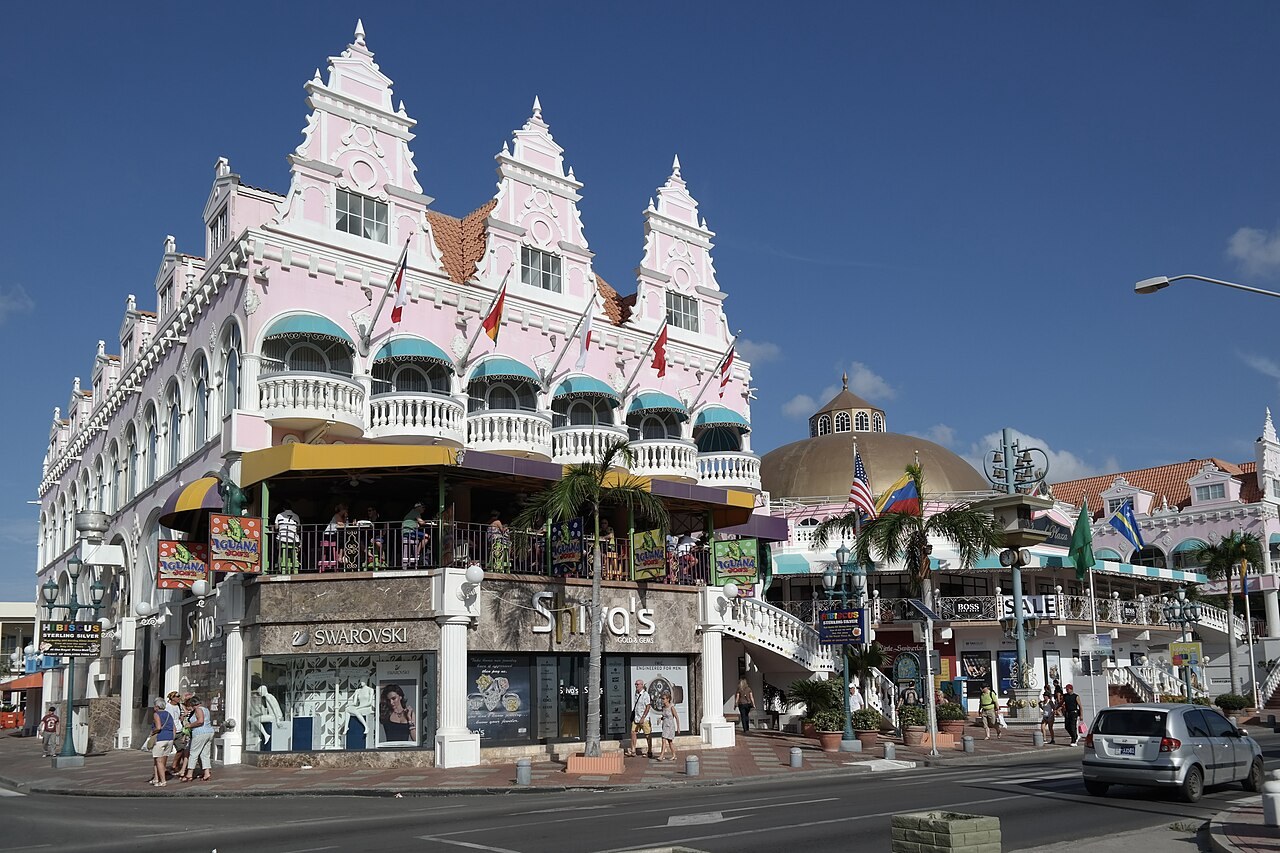
Aruba fuel prices rose sharply in the year to August 2026, with gasoline up 27.1% and diesel up 39.9%. The island’s Central Bureau of Statistics (CBS) also put overall consumer inflation at 2.7%.
Aruba Fuel Prices: What CBS Measured
Aruba is a Dutch Caribbean island off the coast of Venezuela and a self-governing country within the Kingdom of the Netherlands. Its statistics office, CBS, publishes consumer prices every month.
In August 2026, a litre of gasoline cost an average of Afl. 2.909, about US$1.63. A litre of diesel averaged Afl. 2.863, about US$1.60.
Prices also jumped within a single month. Gasoline rose 9.4% from July, or 25.1 Aruban cents a litre, and diesel rose 11.6%, or 29.7 cents.
In July, gasoline had averaged Afl. 2.658 (about US$1.48) and diesel Afl. 2.566 (about US$1.43). The figures were reported by the news site NoticiaCla on 29 September.
Why Fuel Costs More
CBS links the rise to international oil prices. West Texas Intermediate (WTI), the US benchmark crude, averaged US$83.74 a barrel in August, up 5.6% from US$79.32 in July.
Aruba imports its fuel, and the Aruban florin is pegged to the US dollar. A rise in dollar oil prices therefore reaches the pump with no currency cushion.
Taxes are part of every litre. Each pump price includes the turnover tax known as BBO and two further levies, BAZV and BAVP.
Inflation Rises to 2.7%
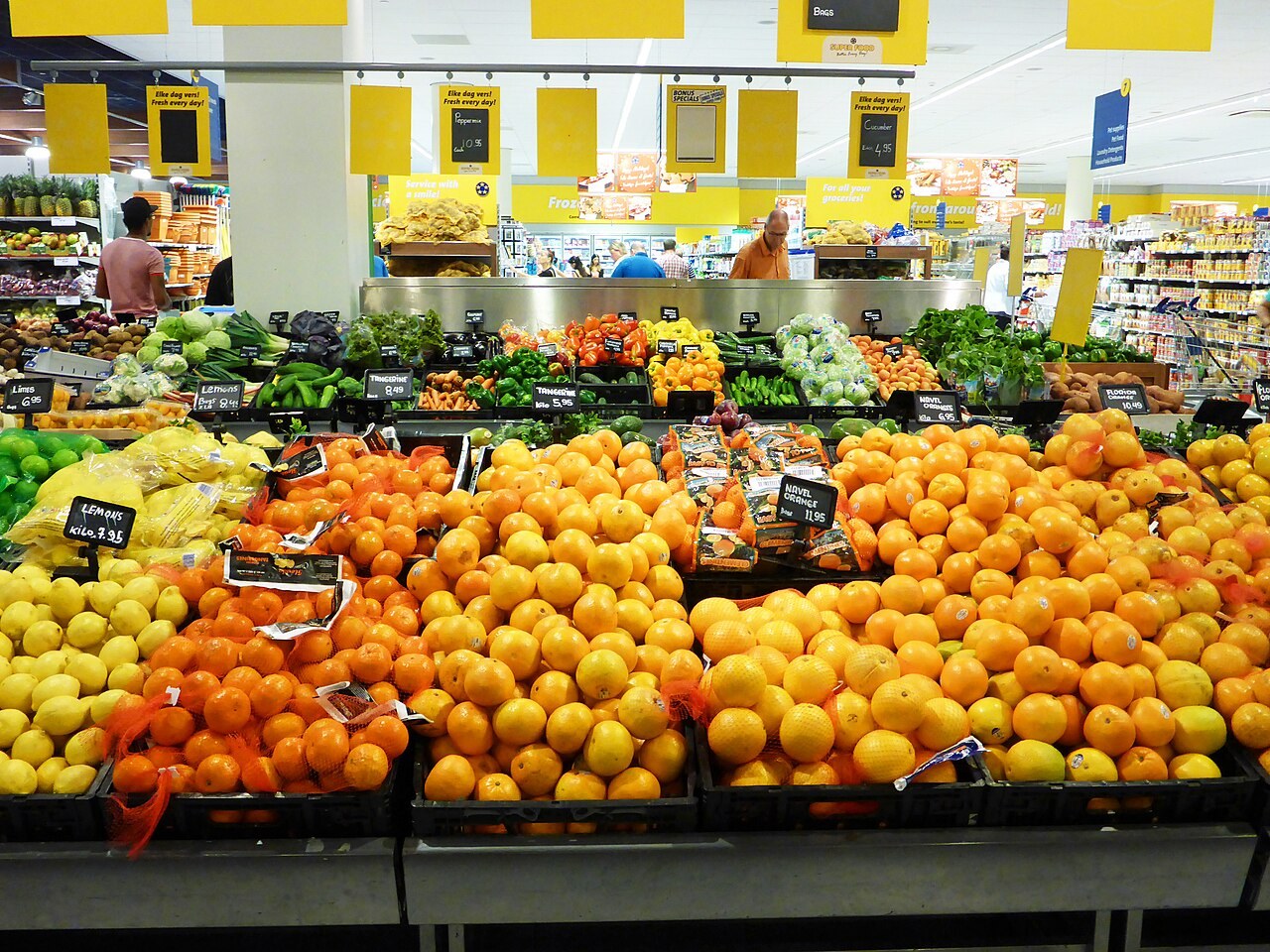
Consumer prices rose 2.7% in the year to August and 0.5% compared with July, CBS reported. Eight of the twelve spending categories it tracks became more expensive during the month.
Transport rose most, up 3.4% in a month and 10.7% in a year, mainly because of fuel. Restaurants and hotels were 5.6% dearer than a year earlier, and food and soft drinks 3.8%.
Not everything rose. Communication fell 1.8% in August on cheaper telephone equipment, and services overall were only 1.4% dearer than a year ago.
Goods, by contrast, rose 3.7% in a year. More than half of the items in the CBS basket, 54.9%, cost more than in August 2025.
What It Means for a Family Budget
CBS also calculates a minimum subsistence level, the income a household needs to live acceptably. For a family of four, it now stands at about Afl. 5,663 a month, about US$3,160.
That is Afl. 144 (about US$80) more than in August 2025. Food accounts for Afl. 86 (about US$48) of the increase and transport for Afl. 35 (about US$20).
Other goods and services add Afl. 14 and housing Afl. 10. For residents who drive daily or run delivery vans, fuel is now one of the fastest-rising costs.
Visitors feel a different part of the index. Restaurant and hotel prices, which matter most to the island’s tourists, are 5.6% higher than a year ago.
How the Government Has Responded
The government has tried to soften earlier price rises. From 8 April 2026, Finance Minister Geoffrey Wever cut the gasoline excise tax by 21.2 cents a litre, about 12 US cents.
The government also removed the diesel excise of 33.2 cents a litre entirely, NoticiaCla reported in May. The two measures cost the treasury Afl. 5.1 million, about US$2.8 million, over two months.
Those cuts eased the pressure but did not stop it. From 9 September, diesel rose 23.7 cents to Afl. 3.100 a litre (about US$1.73), while gasoline edged up to Afl. 2.918 (about US$1.63).
The Long View
Average inflation over the past twelve months stands at 1.0%, up from 0.4% a year earlier, CBS said. By that longer measure, price growth remains moderate, although it is picking up.
Fuel has climbed in steps since spring. In May, gasoline cost Afl. 2.652 (about US$1.48) and diesel Afl. 2.570 (about US$1.44) a litre, NoticiaCla reported.
What Comes Next
CBS has yet to publish its September price data. That release will show how far the 9 September diesel increase has passed into transport and food prices.
For people planning a move to Aruba, the CBS subsistence level offers a monthly benchmark for a family budget. CBS updates it every month as prices change.
Much depends on world oil prices in the coming months. For now, the island’s overall inflation remains moderate, while fuel and food carry most of the pressure.
More: Caribbean news, every day from The Rio Times.
Frequently Asked Questions
How much have Aruba fuel prices risen?
In August 2026, gasoline cost 27.1% more and diesel 39.9% more than a year earlier, according to CBS. Gasoline averaged Afl. 2.909 (about US$1.63) a litre and diesel Afl. 2.863 (about US$1.60).
What is the inflation rate in Aruba?
Consumer prices rose 2.7% in the year to August 2026 and 0.5% from July, CBS reported. Average inflation over twelve months was 1.0%.
Why are fuel prices in Aruba rising?
CBS links the increase to international oil prices, with WTI crude averaging US$83.74 a barrel in August. Aruba imports its fuel and the florin is pegged to the US dollar, so higher dollar prices pass straight to the pump.
Sources: NoticiaCla · NoticiaCla · NoticiaCla · NoticiaCla · NoticiaCla · NoticiaCla
This article was produced by The Rio Times’ automated newsroom system. How we use AI · Report an error
Read More from The Rio Times