Uruguay Fuel Prices Rise in October: Gasoline Up 2%, Diesel Up 7%
URUGUAY · ENERGY
Key Facts
- —New prices From 1 October 2026, Super 95 petrol costs 90.45 pesos a litre (about US$2.33) and diesel 62.79 pesos (about US$1.62), the presidency said on 30 September.
- —The change Petrol rises 2% and diesel 7%, the first increase since June; bottled cooking gas stays at 93.56 pesos a kilo (about US$2.41).
- —The benchmark Passing on the regulator URSEA’s full October reference would have meant rises of 5.5% for petrol and 37% for diesel, the government said.
- —The reason The government cited short-term oil price scenarios and the six-month cash outlook of ANCAP, the state oil company.
- —The rate Conversions use 38.87 Uruguayan pesos per US dollar, the market rate of 30 September 2026.
Uruguay fuel prices went up on Thursday after three months at the same level. The government again set them far below the regulator’s reference.
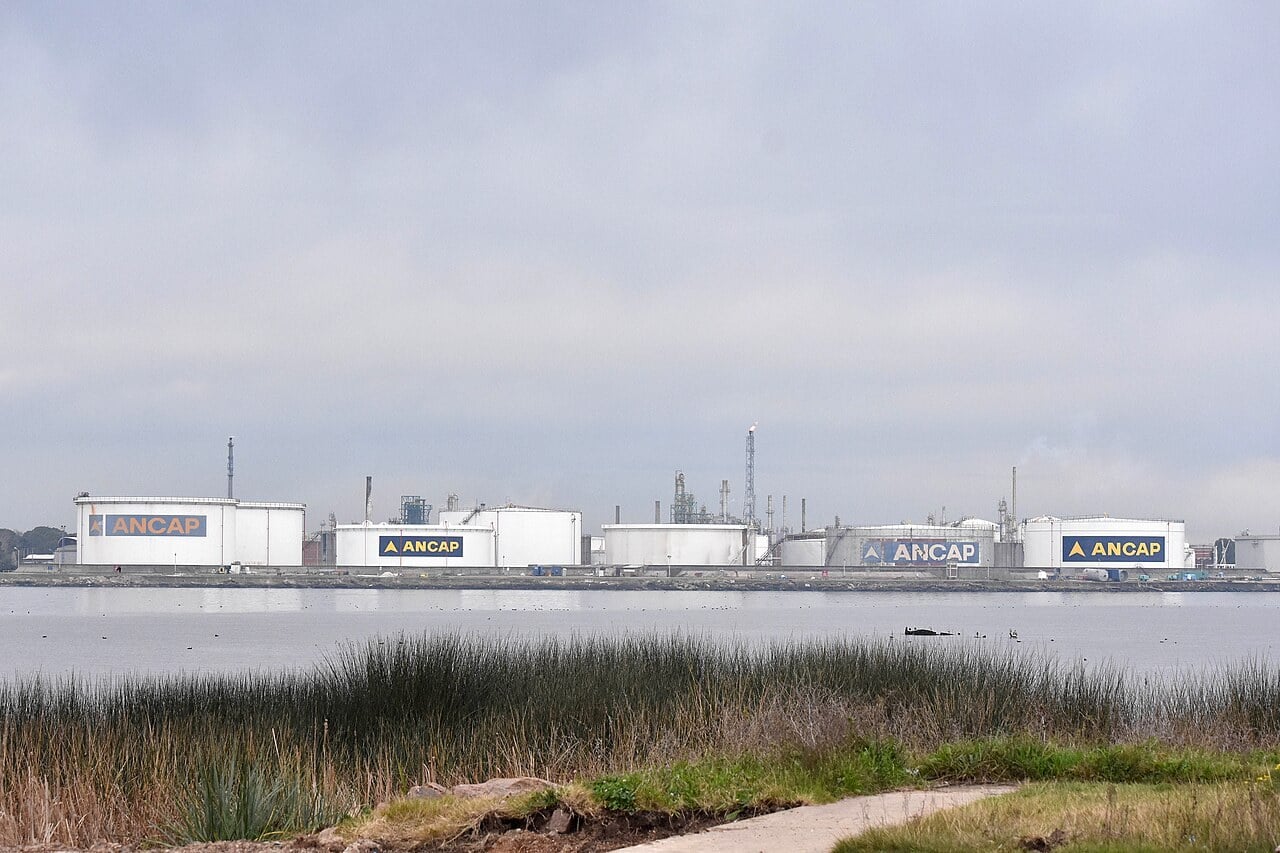
Uruguay fuel prices rose on 1 October 2026, the first increase since June: Super 95 petrol is up 2% and diesel 7%. The government kept both rises far below the energy regulator’s benchmark, with the state oil company absorbing the gap.
What changes at the pump
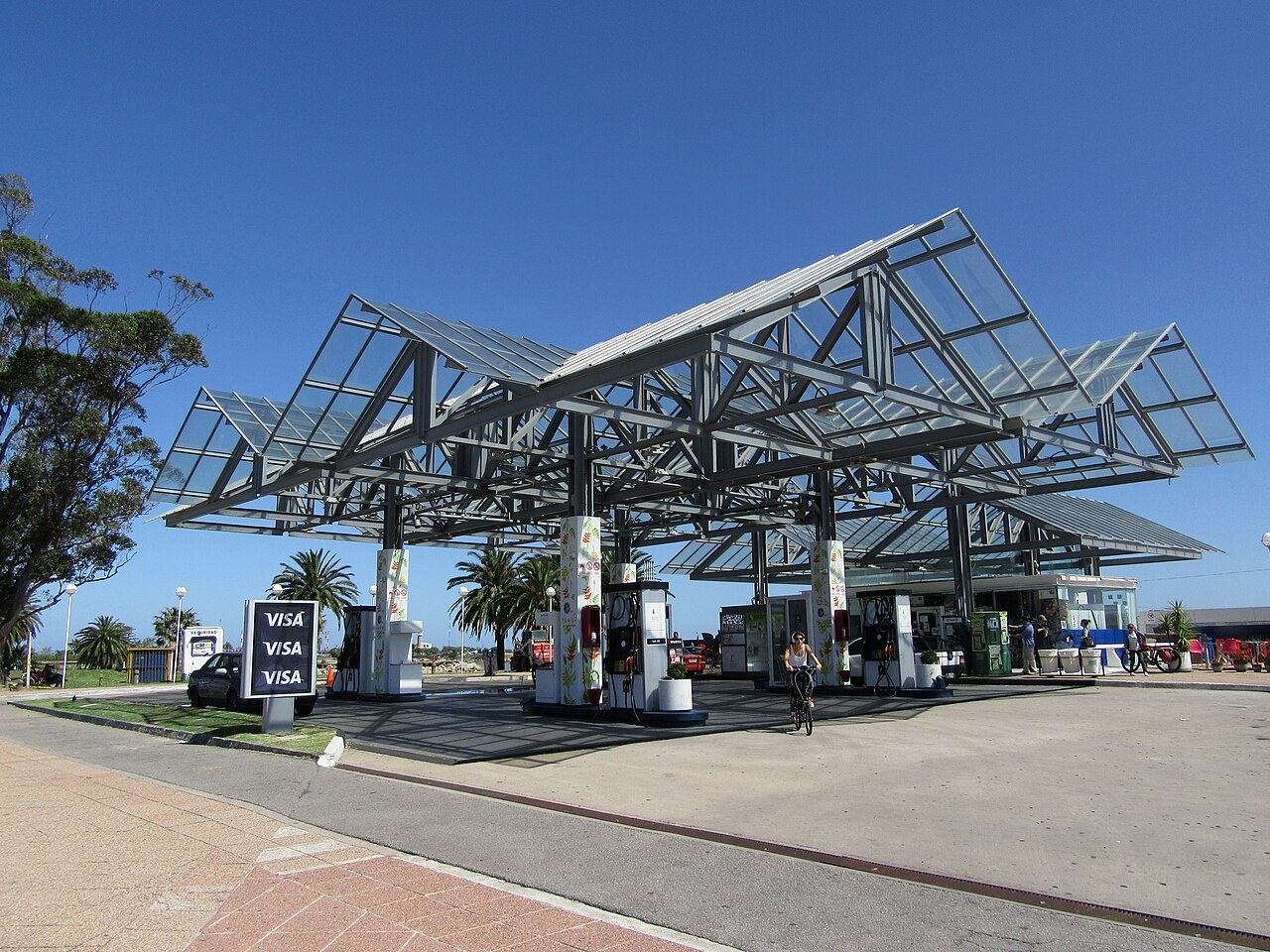
Super 95, the most widely sold petrol, rises by 1.78 pesos to 90.45 pesos a litre, about US$2.33. Diesel 50S, known locally as gasoil, rises by 4.11 pesos to 62.79 pesos, about US$1.62.
Before the change, the two fuels cost 88.67 pesos (about US$2.28) and 58.68 pesos (about US$1.51). Supergás, the bottled gas many homes use for cooking, stays at 93.56 pesos a kilo, about US$2.41.
The executive branch announced the maximum prices on Wednesday 30 September, El Observador reported. Montevideo Portal and la diaria carried the same figures from the official statement.
A rise, but far smaller than the benchmark
Each month URSEA, the Energy and Water Services Regulatory Unit, publishes a reference pump price. It starts from the import-parity price, meaning what fuel would cost if bought abroad and delivered to Uruguay.
It then adds distribution costs, taxes and a stabilisation factor. For October, the reference came to 93.56 pesos a litre for Super 95 (about US$2.41) and 80.54 pesos for diesel (about US$2.07).
Passing that on in full would have meant rises of about 5 pesos for petrol and 22 pesos for diesel. That is 5.5% and 37%, against the 2% and 7% actually decreed, the presidency said.
The pricing rules, set by Decree 130/025, use import parity as the international reference. Their article 5 allows an exception in situations like the present one, the government said.
Why the government moved now
In August and September the reference also pointed to rises, and the government kept prices frozen. This time it cited short-term international price scenarios and ANCAP’s cash projection for the next six months.
ANCAP is Uruguay’s state oil company. It imports crude oil and refines it at La Teja in Montevideo, and the presidency said that capacity lets the cushioning continue.
The statement pointed to a new rise in international petrol and diesel prices this month. It also cited tight diesel supply and crude oil holding above US$90 a barrel.
Fuel prices have climbed worldwide since March, the economy ministry said in May. It linked the rise to the war between the United States and Israel on one side and Iran on the other.
Six months of cushioning
Since April the executive, with ANCAP, has reviewed fuel prices every month instead of following import parity automatically. Prices rose in April, May and June, with June bringing 6% on petrol and 7% on diesel.
In July, as world prices eased, the government cut petrol and diesel by 5%. It then held prices in August and September, even though the regulator’s reference pointed higher.
By 31 August, this approach had spared consumers about US$75 million in increases, the Ministry of Industry, Energy and Mining said. Minister Fernanda Cardona called the September freeze “an important effort by the State”.
What it means for drivers, hauliers and farmers
For a driver filling a 50-litre tank with Super 95, the October rise adds about 89 pesos, roughly US$2.29. The same tank of diesel costs about 205 pesos more, roughly US$5.29.
Diesel matters most for the wider economy. It moves trucks, buses and farm machinery, so its price feeds into freight and food costs across the country.
Even after the rise, diesel at the pump sits about 18 pesos a litre below the regulator’s reference, roughly US$0.46. Petrol sits about 3 pesos below it, roughly US$0.08.
How long the cushion can last
The gap is covered by ANCAP’s refining margins, the difference between what crude costs and what refined fuel sells for abroad. Those margins were unusually high this year, above the peaks of 2022 and 2023, El Observador reported.
ANCAP gave up part of that extra income to hold prices down, the paper reported, citing company officials. El Observador noted that no refining margin can offset a rising barrel indefinitely.
The government has not said whether diesel will keep rising in steps until it meets the reference. It reviews prices monthly, so November prices are expected at the end of October.
Our earlier report on the regulator’s October figures described how far the reference had moved before Wednesday’s decision.
More: Uruguay news, every day from The Rio Times.
Frequently Asked Questions
How much does fuel cost in Uruguay from 1 October 2026?
Super 95 petrol costs 90.45 pesos a litre (about US$2.33) and diesel 62.79 pesos (about US$1.62). Bottled cooking gas stays at 93.56 pesos a kilo (about US$2.41).
Why did Uruguay raise fuel prices in October?
The government cited short-term oil price scenarios and the six-month cash outlook of ANCAP, the state oil company. International petrol and diesel prices rose again in September, with crude above US$90 a barrel.
Is Uruguay charging the full international price?
No. Following the regulator’s reference in full would have meant rises of 5.5% for petrol and 37% for diesel. The government chose 2% and 7%.
Sources: Presidency of Uruguay · Ministry of Industry, Energy and Mining (MIEM) · Ministry of Industry, Energy and Mining (MIEM) · Ministry of Economy and Finance · El Observador · Montevideo Portal · la diaria
Read More from The Rio Times