Argentina Wins Back EU Market Access for Its Poultry
Argentina · Trade
Key Facts
- —The reopening Argentina can resume fresh poultry exports to the European Union from August 17, 2026.
- —The cause of the ban Exports were suspended after a bird-flu (HPAI) outbreak on a farm in Buenos Aires province in February 2026.
- —The fix The EU restored Argentina’s disease-free status and re-listed it as an approved supplier.
- —The value Argentina sold more than EUR13 million of poultry to the EU in 2025, up 32% on the year before.
- —The bigger door A Mercosur-EU trade deal includes a tariff-free quota of 180,000 tonnes of poultry a year, phased in over five years.
A bird-flu outbreak slammed the door on a valuable export earlier this year. Now, with the all-clear given, Argentine chicken can head back to Europe.
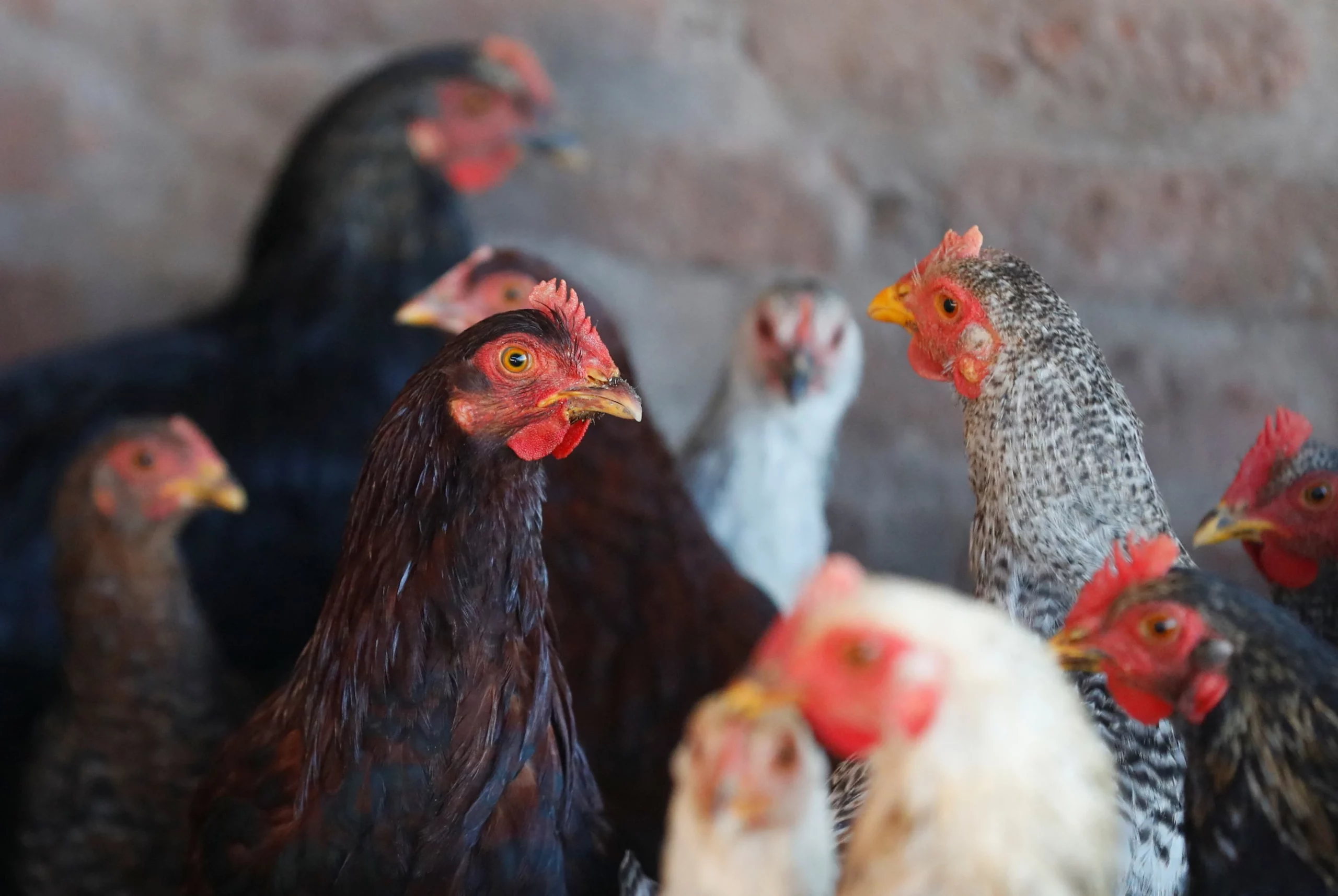
For Argentina’s chicken farmers, EU market access returns on one date that now matters: August 17. From that day, regaining EU market access reopens a valuable poultry export that a bird-flu scare had abruptly shut.
How the door slammed shut
The trouble began in February 2026. Bird flu, known formally as highly pathogenic avian influenza, was detected on a commercial farm in Buenos Aires province.
For trading partners, that is a red flag. As a result, poultry importers move fast to block product from any country reporting an outbreak.
Meanwhile, the European Union duly suspended Argentine poultry. Without a regional-recognition deal in place, the ban applied to the whole country, not just the affected area.
Why one farm can halt a nation’s exports
It can seem harsh that a single outbreak stops an entire country’s trade. The logic is disease control.
Bird flu spreads quickly and can devastate flocks, so importers err on the side of caution. Countries with ‘regionalization’ agreements can limit bans to affected zones.
Argentina lacked one with the EU, so the whole nation was sidelined.
Earning back the all-clear
Reopening a market is a bureaucratic marathon. A country must prove the outbreak is contained and the risk has passed.
Still, the EU eventually restored Argentina’s disease-free status and put it back on its list of approved suppliers. That decision, taking effect on August 17, is the formal green light for shipments to resume.
What EU market access is worth
The numbers behind EU market access are modest but growing. Argentina sold more than EUR13 million of poultry to the EU in 2025.
That was up 32% on the previous year, a sign the trade was gaining momentum before the ban interrupted it. Europe is a demanding, high-value market.
Access to it is a stamp of quality as much as a revenue line.
Argentina’s underused poultry strength
Argentina is better known abroad for its beef and grain, but it is a serious poultry producer too. However, most of that chicken is eaten at home, a cheap and popular protein.
Only a slice is exported. As a result, that leaves room to grow.
If foreign markets stay open, producers can send more birds abroad without starving local shelves. Still, filling that quota needs years and investment, but it reframes the ambition from niche to strategic.
The far bigger prize behind it
The immediate reopening matters, but the longer-term opportunity is larger. Meanwhile, a trade deal between Mercosur and the EU changes the maths.
That agreement includes a tariff-free quota of 180,000 tonnes of poultry a year, phased in over five years. For Argentine producers, however, tariff-free access on that scale would be a genuine step up from today’s small flows.
Part of a wider farm-export push
Poultry is one piece of a broader Argentine drive into European markets. Overall, farm exports have been climbing.
Argentine agricultural sales to the EU reached billions of dollars in the first half of 2026, rising sharply in value. Moreover, in an economy desperate for foreign currency, every reopened market helps.
A timely counterweight
The timing is fortunate. The reopening offsets setbacks elsewhere, including friction in the beef trade.
Still, for a farm sector exposed to shifting rules abroad, spreading risk across markets is prudent. Regaining Europe reduces Argentina’s reliance on any single buyer.
A global fight against bird flu
Argentina is far from alone in battling avian influenza. In fact, recent years have seen major outbreaks across the Americas, Europe and Asia.
The disease has killed or forced the culling of huge numbers of birds worldwide, pushing up egg and poultry prices. Against that backdrop, a clean bill of health is a competitive advantage, not just a formality.
Why disease status is now a trade weapon
This episode is a reminder of how central animal health has become to trade. Sanitary status can open or close borders overnight.
Exporting nations now invest heavily in surveillance and rapid response, because the cost of a ban is measured in lost markets. For Argentina, keeping its disease-free label intact is now as important as raising the birds themselves.
What producers should watch
The near-term signal is simple: how quickly shipments actually resume after August 17. The bigger watch is the Mercosur-EU quota, and whether Argentina can fill its share as the tariff-free allowance grows.
Do both, and a small trade could become a meaningful one.
A quiet win in a hard year
For Argentina, wrestling with inflation and scarce dollars, regaining a market is welcome news. It will not transform the economy on its own.
Still, export wins, stacked together, are how recovery is built. Come August 17, at least one door swings back open.
Frequently Asked Questions
When can Argentina export poultry to the EU again?
From August 17, 2026, after the EU restored its disease-free status and re-listed it as an approved supplier.
Why was the trade suspended?
A bird-flu outbreak on a farm in Buenos Aires province in February 2026 triggered an EU ban on Argentine poultry.
Why did one outbreak stop all exports?
Argentina lacked a regionalization deal with the EU, so the ban applied nationwide rather than only to the affected zone.
How much is the trade worth?
Argentina sold more than EUR13 million of poultry to the EU in 2025. Up 32% on the year before, with room to grow.
What is the Mercosur-EU quota?
The trade deal includes a tariff-free quota of 180,000 tonnes of poultry a year, phased in over five years.
Connected Coverage
Sources: European Commission; SENASA; Reuters; Mercosur-EU agreement.
This article was produced by The Rio Times’ automated newsroom system. How we use AI · Report an error
In depth
Read More from The Rio Times