Argentina Suspends Direct Flights to Havana Amid Economic and Political Shifts
Argentina recently halted direct flights to Havana, indicating major policy shifts in aviation and foreign relations.
Influenced by economic factors and strategic alignments, this decision ended services by Aerolíneas Argentinas and Cubana de Aviación on the route.
Aerolíneas Argentinas pointed to substantial losses exceeding $500,000 in 2023 as the main reason for discontinuation.
Concurrently, concerns about potential U.S. sanctions prompted YPF, a state-controlled oil company in Argentina, to cease supplying fuel for flights to Cuba.
This action aggravated challenges for Cubana de Aviación, which consequently stopped operations between the two nations.
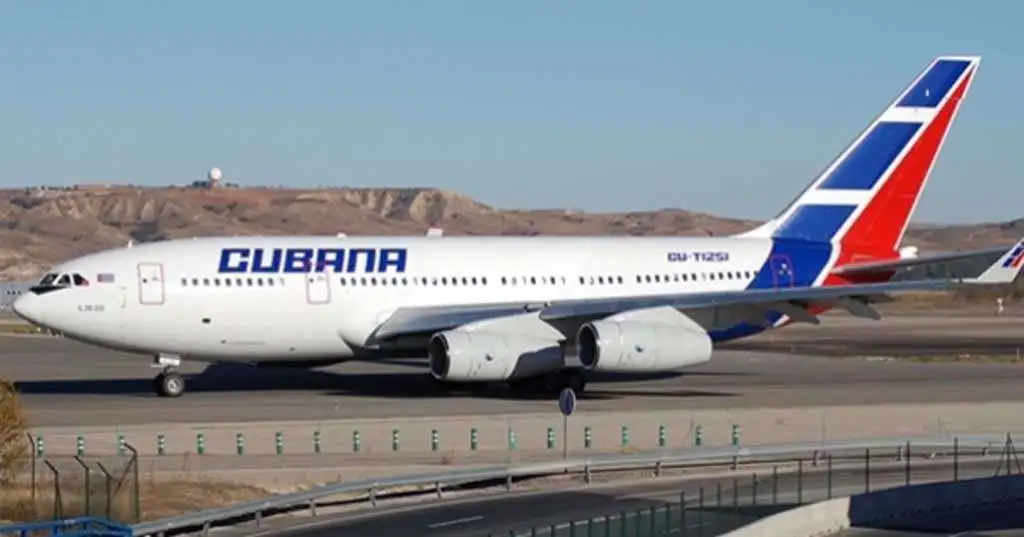
Furthermore, travelers desiring to visit Cuba now encounter more complex travel arrangements, involving longer routes and tougher visa requirements.
Under President Javier Milei, this policy change marks a shift toward stronger U.S. ties and away from Argentina’s traditionally neutral stance.
While disrupting old Cuba-Argentina ties, it opens doors for new economic possibilities and wider international relations.
Moreover, stopping these flights indicates a significant shift in Latin America’s diplomatic landscape.
As Argentina aligns more closely with U.S. foreign policy, concerns arise about the future of regional multilateralism.
This shift impacts diplomatic relations across Latin America and requires a reassessment of existing partnerships.
Background – Argentina Suspends Direct Flights to Havana
The United States has granted Argentina a substantial boost, providing a $40 million package through the Foreign Military Financing (FMF) program.
This funding, the first since 2003, aims to modernize Argentina’s military infrastructure.
It ensures that Argentina can purchase essential defense articles, services, and training from the U.S., improving the interoperability of their military operations.
Simultaneously, Argentina has finalized a deal to acquire 24 F-16 aircraft from Denmark.
This acquisition is set to replace the outdated A4 Skyhawks, significantly enhancing Argentina’s national security.
This acquisition reinforces Argentina’s strong alliance with the U.S., highlighting its status as a Major Non-NATO Ally since 1998.
It also aligns with Argentina’s ambitions to expand its global partnerships by joining NATO’s list of global partners.
More: Argentina news in English, every day from The Rio Times.
This article was produced by The Rio Times’ automated newsroom system. How we use AI · Report an error
In depth
Read More from The Rio Times