In June 2024, Angola faced a significant downturn in its oil sector. The nation produced 34.8 million barrels of oil but only garnered 714.38 billion kwanzas ($751 million) in revenue.
This marks a 20% decrease from the previous month. The price per barrel fell to $81.30 from $87.69, reflecting global market trends.
The National Agency for Petroleum, Gas, and Biofuels of Angola, which oversees the country’s oil operations, reported a daily production average of 1.162 million barrels.
This figure slightly exceeded expectations, which predicted a daily output of 1.121 million barrels.
Amid this downturn, the oil concessionaire’s income shrank by 26.15% to 491.13 billion kwanzas.
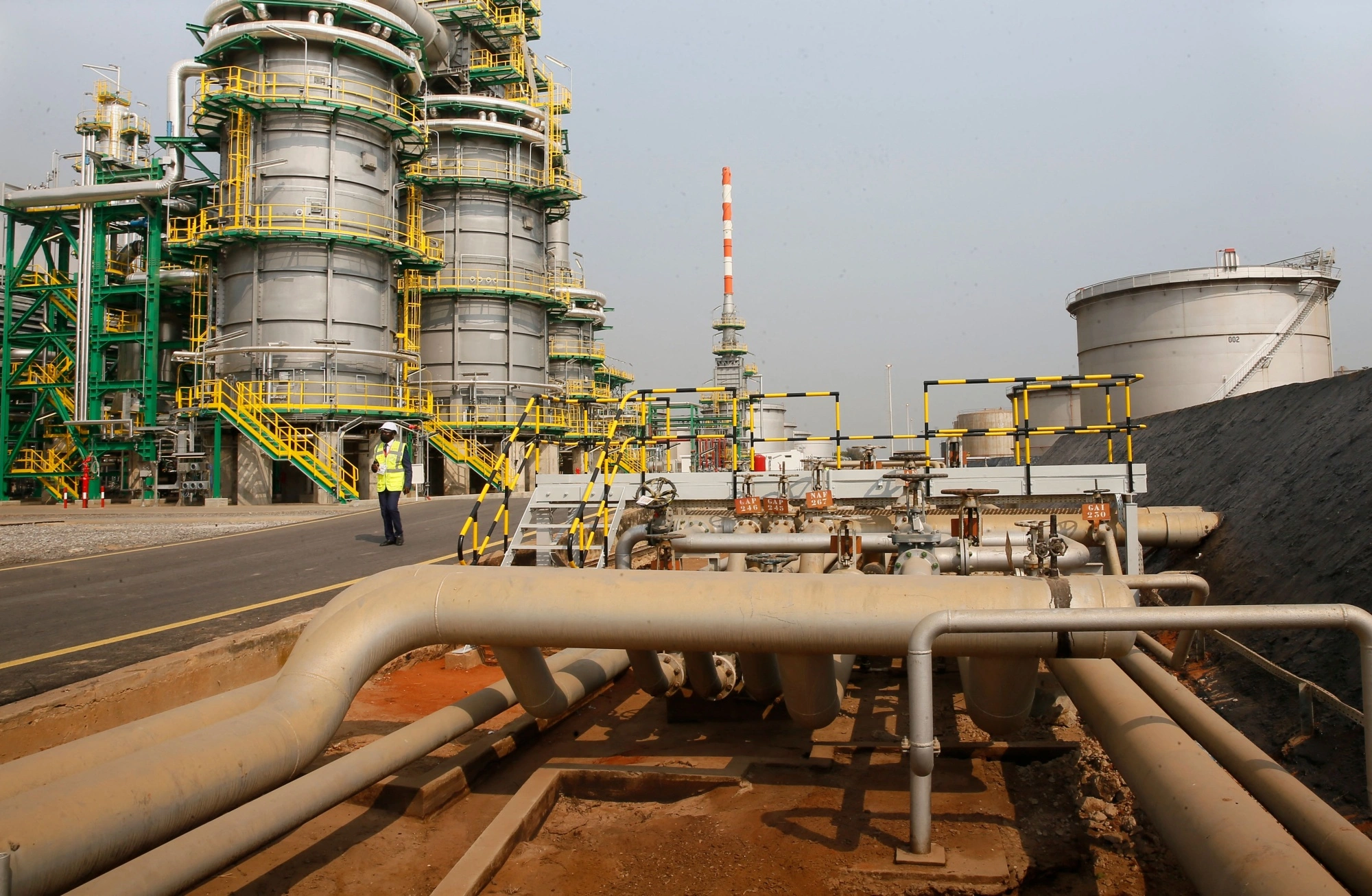
Additionally, taxes from oil production slid by 22.54% to 27.46 billion kwanzas. During the same period, 12 drilling units were operational, and maintenance was performed on 32 oil wells.
The production of associated gas stood at 82.965 million cubic feet per day, largely supplied to the Angola LNG plant.
This plant is pivotal in converting natural gas to liquefied natural gas, a crucial export commodity.
This decline in Angola’s oil revenue has broader implications. Oil is a cornerstone of Angola’s economy, funding much of its public sector and development initiatives.
A drop in oil income not only impacts government spending but also affects the livelihoods of many Angolans directly or indirectly linked to the oil industry.
This situation highlights the volatility of reliance on natural resources like oil, which are susceptible to global price fluctuations and economic cycles.
For Angola, diversifying its economy could mitigate such impacts, ensuring more stability and sustained growth.
This story of fluctuation serves as a reminder of the challenges faced by nations heavily dependent on a single commodity and the need for strategic planning in national economic management.
More: Angola news in English, every day from The Rio Times.
This article was produced by The Rio Times’ automated newsroom system. How we use AI · Report an error · Editorial responsibility: Matthias Camenzind, Editor-in-Chief
Part of our ongoing coverage
Africa: The New Scramble — the great-power contest over the continent.