Africa Intelligence Brief — Friday, July 31, 2026
Executive Summary
Africa Intelligence Brief July 31 — A UN probe accuses Sudan's RSF of genocide in Darfur, as the ICC reports a breakthrough linking crimes to leadership.
Rio Times · Africa Intelligence Brief July 31
—UN Designation A UN mission says Sudan’s RSF committed mass killings and rape as an intentional policy it describes as genocide.
—ICC Breakthrough International Criminal Court investigators can now link specific Darfur atrocities to leadership responsibility.
—Flood Toll At least 24 people have died after heavy rains triggered flooding and landslides in Ghana and Ivory Coast.
—Morocco Loan The African Development Bank approved a €205 million loan to extend Morocco’s high-speed rail network.
—Kano Mourning Authorities in Nigeria’s Kano State declared a day of mourning for 22 citizens killed in a road crash.
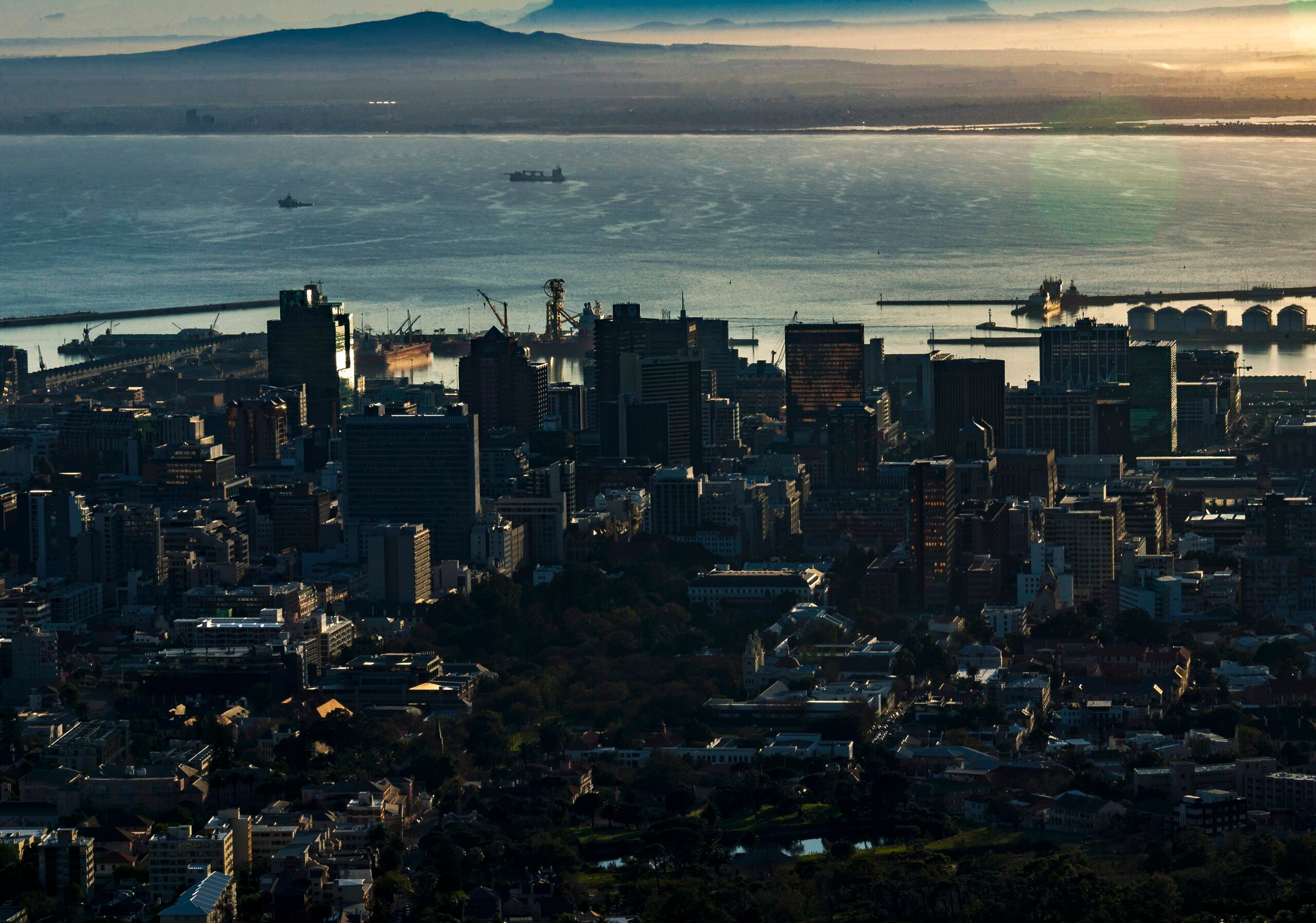
From deadly urban floods in West Africa to a major rail investment in Morocco, the continent is managing overlapping crises alongside cautious, forward-looking steps.
Sudan – UN Probe Accuses RSF of Genocide in Darfur
A Grim Designation
A United Nations fact-finding mission has reported that the Rapid Support Forces carried out mass killings, abductions of women and girls, gang rapes, and forced starvation in a besieged Darfur city. The UN probe determined that these RSF actions amounted to an intentional policy it is now formally describing as genocide.
The report specifically identifies the RSF leadership as central to the alleged crimes, marking a grim milestone in the country’s civil war. The finding signals a new level of international condemnation for the suffering of thousands of displaced civilians.
Sudan – ICC Achieves Breakthrough in Darfur Probe
Linking Atrocities to Leaders
In a parallel development, a senior International Criminal Court official told Reuters that investigators have achieved a ‘breakthrough’ in probing crimes committed in Darfur. This progress allows prosecutors to connect specific atrocities directly to leadership responsibility within the accused forces.
The breakthrough significantly escalates international legal accountability efforts for the Sudan conflict. A mood of cautious hope is kindled by the prospect that the architects of violence may finally face justice.
A UN fact-finding mission reported that Rapid Support Forces carried out mass killings, abductions of women and girls, mass gang rapes, and forced starvation in a besieged Darfur city.
Ghana, Ivory Coast – Deadly Floods Hit West African Capitals
Urban Infrastructure Overwhelmed
Heavy seasonal rains triggered flooding and landslides in the capitals of Ghana and Ivory Coast, killing at least 24 people. The twin disasters starkly highlight the chronic weakness of urban infrastructure during West Africa’s intense rainy season.
Communities are left reckoning with the sudden loss as emergency services work to manage the aftermath. The tragedies underscore a persistent vulnerability that turns seasonal weather into a lethal threat.
Morocco – AfDB Approves €205 Million for High-Speed Rail
Modernising Ahead of the World Cup
The African Development Bank approved a €205 million loan, equal to about $234 million, to extend Morocco’s high-speed rail network and upgrade a major transport corridor. The financing will considerably bolster the country’s infrastructure and economic connectivity.
The investment creates a forward-looking and industrious mood as preparations continue for the 2030 FIFA World Cup. This major step promises to enhance Morocco’s image as a continental leader in modern transit.
The Bigger Picture
The continent is gripped by a sharp duality of grief and defiance. From the UN’s genocide finding in Sudan to mourning in Kano, there is a pervasive sense of crisis management overshadowing everyday life.
In South Africa, communities are tense and wounded by deadly anti-migrant violence, while Tanzania is fearful after a mass arrest signalled a sharp tightening of political space. Mali remains bitterly resigned to persistent insecurity.
Yet moments of institutional breakthrough, like the ICC’s progress on Darfur, kindle a cautious hope for accountability. Morocco’s infrastructure push offers a counter-note of forward-looking industriousness amid the turmoil.
Africa Intelligence Brief July 31: What We Are Watching
- Monday, August 3 – Kano State holds an official day of mourning for 22 road crash victims.
- August 5 – The Africa Health Financing Forum meets in Nairobi to address public-health emergencies.
Go Deeper
The full Africa Intelligence Dossier — the interactive risk dashboard and the six people who matter — is updated daily by the Rio Times Intelligence Desk.
What Drives the Differences in Risk Across African Markets
The gap between a UN genocide designation in Sudan and a €205 million high-speed rail loan in Morocco is driven primarily by institutional stability and conflict exposure, not just geography.
Where civilian leadership accountability is absent and armed groups operate with impunity, as ICC investigators now document for specific RSF commanders, sovereign risk spikes and cross-border trade routes collapse.
Hidden Costs Foreigners Underestimate
Beyond rent and airfare, foreigners frequently overlook the financial toll of climate-driven disruptions: 24 deaths from floods in Ghana and Ivory Coast signal infrastructure fragility that delays supply chains and spikes insurance premiums.
Another silent cost is sanctions spillover: as international courts link Darfur atrocities to leadership responsibility, compliance checks and banking restrictions can freeze funds or block transfers even for unrelated businesses registered in the wider region.
How to Choose a City for Your Budget
Prioritize cities where large-scale infrastructure loans are active, such as those along Morocco’s expanding high-speed rail corridor, because these zones typically offer predictable services for the cost.
Avoid basing budgets on regional averages; a road crash that killed 22 citizens in Kano shows how localized safety and healthcare gaps can impose sudden, catastrophic out-of-pocket expenses regardless of monthly living estimates.
Frequently Asked Questions
Does the UN genocide designation in Sudan trigger immediate international sanctions?
Not automatically, but it dramatically increases the likelihood of targeted sanctions since ICC investigators can now link specific RSF leadership to command responsibility under Article 28 of the Rome Statute.
Can foreign investors safely operate in Morocco right now?
Morocco was not listed in the UN probe or ICC briefings for atrocities; the African Development Bank’s freshly approved loan confirms active institutional backing for long-term infrastructure exposure there.
How do the Ghana and Ivory Coast floods affect daily business?
The flooding killed at least 24 people according to official reports, causing road blockages and network outages that temporarily sever supply chains and delay in-person services for days.
What is the actual new evidence the ICC calls a “breakthrough”?
According to Deputy Prosecutor Nazhat Shameem Khan, investigators collected crucial witness interviews in eastern Chad to build “linkage evidence” connecting specific RSF leaders to atrocities in El Geneina and El Fasher.
This article was produced by The Rio Times’ automated newsroom system. How we use AI · Report an error
LatAm Markets: Live Signals → — real-time movers, turnover leaders and FX across Latin America.