A Milestone: South Korea’s Supreme Court Stands for Same-Sex Spousal Rights
On July 18, 2024, in a landmark decision, South Korea’s Supreme Court mandated insurance benefits for same-sex spouses.
The historic case, launched in 2021 by a couple, challenged unequal health insurance benefits.
They demanded parity with heterosexual couples under the National Health Insurance Service.
Previously, in 2023, the Court had recognized the validity of these claims, but faced several appeals afterward.
Chief Justice Jo Hee-de highlighted the absence of specific legal provisions for same-sex health insurance in national laws.
He emphasized that this gap led to discrimination based on sexual orientation and further explained the severe implications of such discrimination.
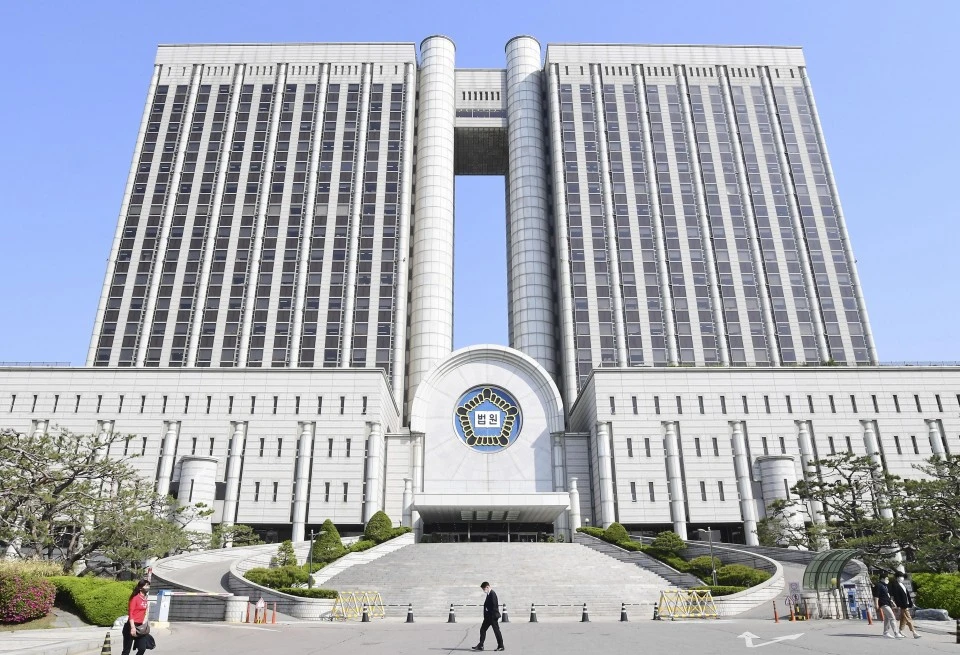
Jo Hee-de asserted that denying these benefits attacks fundamental human rights, including individual dignity and happiness.
He also pointed out the deep impact on privacy and legal equality for those affected.
Some couples, though considering themselves married, face non-recognition in South Korea.
Same-sex marriage remains unauthorized legally. Yet, the Supreme Court’s recent ruling aims to boost legal and public recognition of same-sex couples. This enhances inclusivity within the national framework.
This verdict is crucial, addressing key equality and rights issues for the LGBTQ+ community.
It also marks a significant step toward broader societal and legal inclusivity in South Korea. The decision signifies growing acknowledgment of the need for legal reforms.
These reforms should uphold the rights and dignity of all citizens, irrespective of their sexual orientation.
Background – South Korea’s Supreme Court Stands for Same-Sex Spousal Rights
Across Asia, legal and social recognition of same-sex couples varies widely.
Thailand stands out as the first Southeast Asian nation to legalize same-sex marriage, marking a significant shift towards inclusivity and potentially influencing neighboring regions.
In Japan, multiple court rulings have declared the government’s ban on same-sex marriage unconstitutional, reflecting growing public support for marriage equality despite cautious political movements.
Singapore, while repealing anti-LGBT laws, maintains its opposition to same-sex marriage, with recent polls showing a slow increase in societal acceptance.
Conversely, countries like Indonesia and Malaysia enforce strict anti-LGBTQ+ laws with severe penalties, driven by strong conservative and cultural resistance.
This landscape illustrates the diverse and evolving attitudes towards LGBTQ+ rights in Asia.
A Milestone: South Korea’s Supreme Court Stands for Same-Sex Spousal Rights
This article was produced by The Rio Times’ automated newsroom system. How we use AI · Report an error
Read More from The Rio Times