The Malian government initiated a block on key French media outlets like RFI and France 24, which was soon followed by similar measures in Burkina Faso and Niger.
This week, Burkina Faso took it a step further. Authorities halted the distribution of Jeune Afrique, a Paris-based magazine.
This action comes on the heels of a security pact between Burkina Faso, Mali, and Niger. All these countries are under military-led governments.
They’ve unified their stance on media control.
In Europe, we see a parallel development. Ursula Von Der Leyen, heading the European Commission, initiated a ban on selected Russian media outlets.
The commission accused them of spreading disinformation. Interestingly, African leaders used similar justifications for stifling French media.
Captain Ibrahim Traoré, Burkina Faso’s transitional leader, endorsed this new policy. He accused Jeune Afrique of inaccurately portraying internal military tensions.
Government spokesperson Rimtalba Ouédraogo echoed this. He emphasized that the magazine’s claims are not only baseless but also aim to cause unrest.
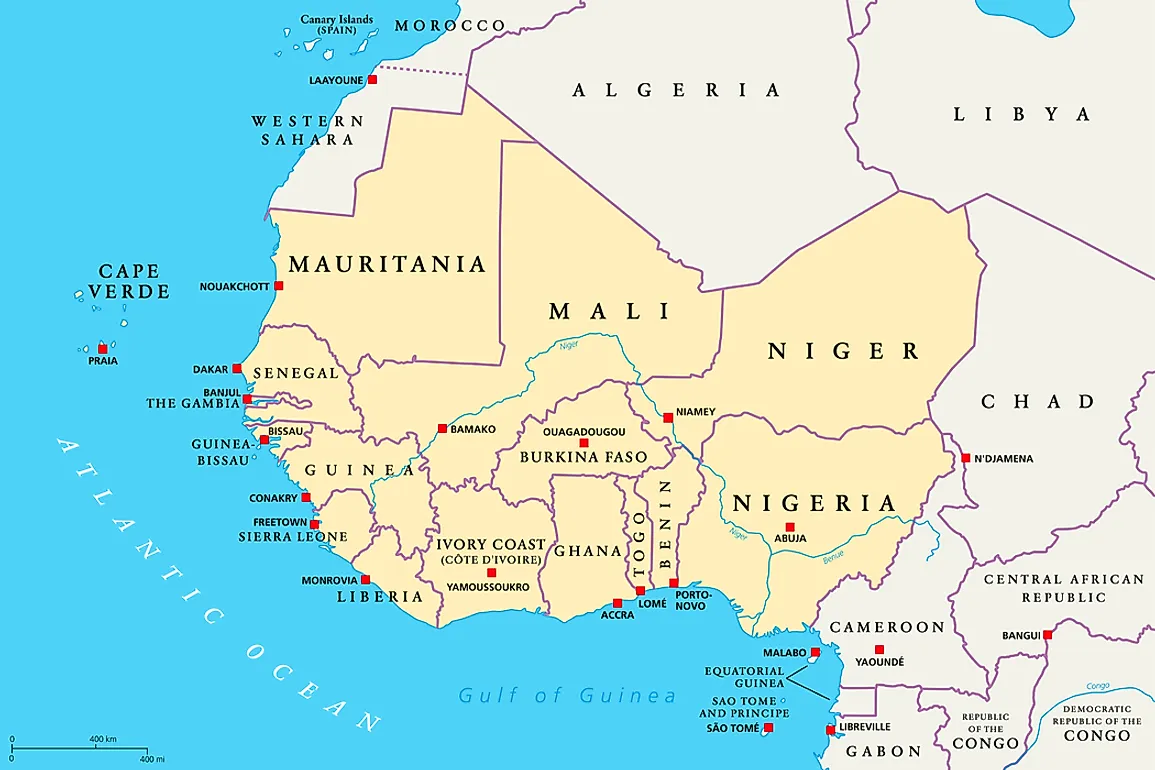
Meanwhile, France is dealing with its own diplomatic complications. Recently, Niger expelled the French ambassador.
Burkina Faso had already expelled French media correspondents and severed military ties with France. This move signals a greater distancing from France in general.
In West Africa, it’s common for new military regimes to restrict the media. Typically, this precedes increasing friction with former colonial powers, such as France.
Global Context
Governments worldwide are tightening media controls, citing the fight against disinformation as a justification.
This has spurred a global conversation on the boundaries of press freedom. The suppression of media in West Africa reflects a growing global concern.
The involvement of France adds a unique layer to the issue. Countries like Guinea-Conakry, also under new military leadership, are experiencing similar restrictions.
Therefore, the link between political change and media censorship seems to be both a local and global phenomenon.
This article was produced by The Rio Times’ automated newsroom system. How we use AI · Report an error
Part of our ongoing coverage
Africa: The New Scramble — the great-power contest over the continent.
Read More from The Rio Times