This Thursday, the Spanish Parliament is set to decide on Pedro Sánchez’s continuation as government head, with the Socialist leader anticipating majority support from the deputies.
He has gained favor from Catalan separatists. In return, he has agreed to propose an amnesty law. This law is currently a subject of controversy.
Francina Armengol, who leads the Congress of Deputies, has set the debate for Wednesday. The vote will follow on Thursday.
Sánchez has been in charge since June 2018. He worked hard to earn support from various political groups.
This effort ensures he has enough votes for his reappointment. Sánchez’s support comes from 179 of the 350 deputies.
These include members from the radical left and parties from the Basque and Catalonia regions.
Also, a small Canarian party supports him. This backing is crucial for his leadership bid.
The support from Carles Puigdemont’s seven deputies was key. They agreed to support Sánchez in exchange for the amnesty law.
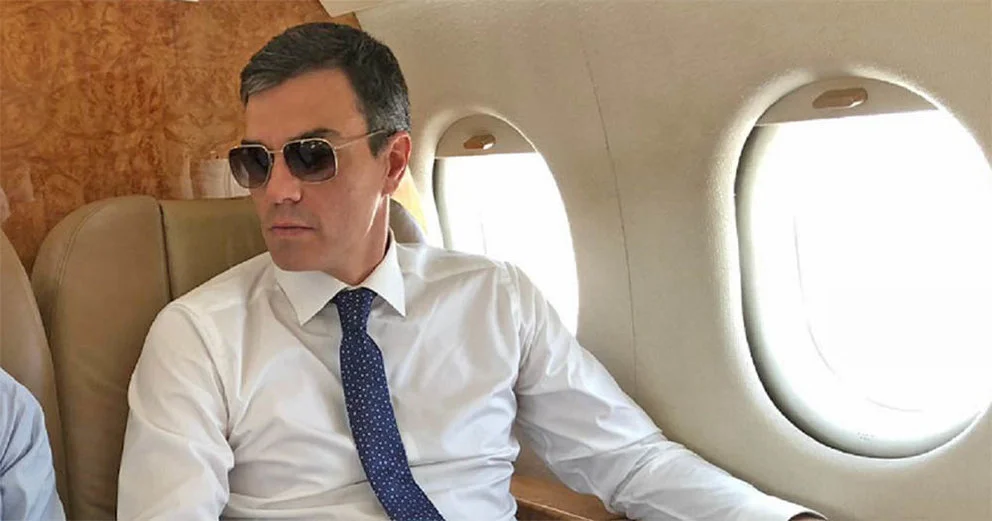
This law would pardon separatists involved in Catalonia’s 2017 independence attempt. The law, however, has caused much division among Spaniards.
Last Sunday, massive protests erupted across Spain. The demonstrators were opposing the proposed amnesty law.
The protests were organized by the Popular Party, a right-wing group. Its leader, Alberto Núñez Feijóo, had previously won the legislative elections.
Despite his victory, he couldn’t gather enough votes for his own leadership appointment.
Background
Sánchez’s situation reflects Spain’s complex political landscape. It highlights the need for coalitions in Spanish politics.
Traditionally, Spanish governments have required alliances for stability. This trend is evident in Sánchez’s reliance on multiple parties for support.
The proposed amnesty law underscores the ongoing tensions regarding Catalonia’s independence movement.
This issue has been a divisive factor in Spanish politics for years. The large-scale protests against the amnesty law show the deep societal split on this matter.
Sánchez’s ability to secure support despite coming second in elections demonstrates his negotiation skills.
It also shows the flexibility of Spanish political dynamics. This event may set a precedent for future political negotiations in Spain.
The vote’s outcome will significantly impact Spain’s political direction in the coming years.
This article was produced by The Rio Times’ automated newsroom system. How we use AI · Report an error
Read More from The Rio Times