UN Expert Exits Costa Rica After Court Order
Albanese left Costa Rica for Mexico after a court ordered her out of the airport. Why the government barred her, and on what legal basis, is still unexplained.

Costa Rica · Human Rights
Francesca Albanese, a United Nations expert on Palestinian human rights, left Costa Rica for Mexico on Saturday 28 November 2026 after a court ordered the immigration agency to move her to a hotel. She had spent over 24 hours in the international area since Thursday’s ban, as set out in our earlier report.
Costa Rica’s Constitutional Court, known as Sala IV, ordered on Friday evening that she be moved to a hotel near Juan Santamaría airport. Migración, the immigration agency, complied only after midnight, local time.
Key Facts
- Who. Francesca Albanese, an Italian lawyer and UN expert on Palestinian rights, left for Mexico.
- What. A court order moved her from the airport to a hotel; she then flew out.
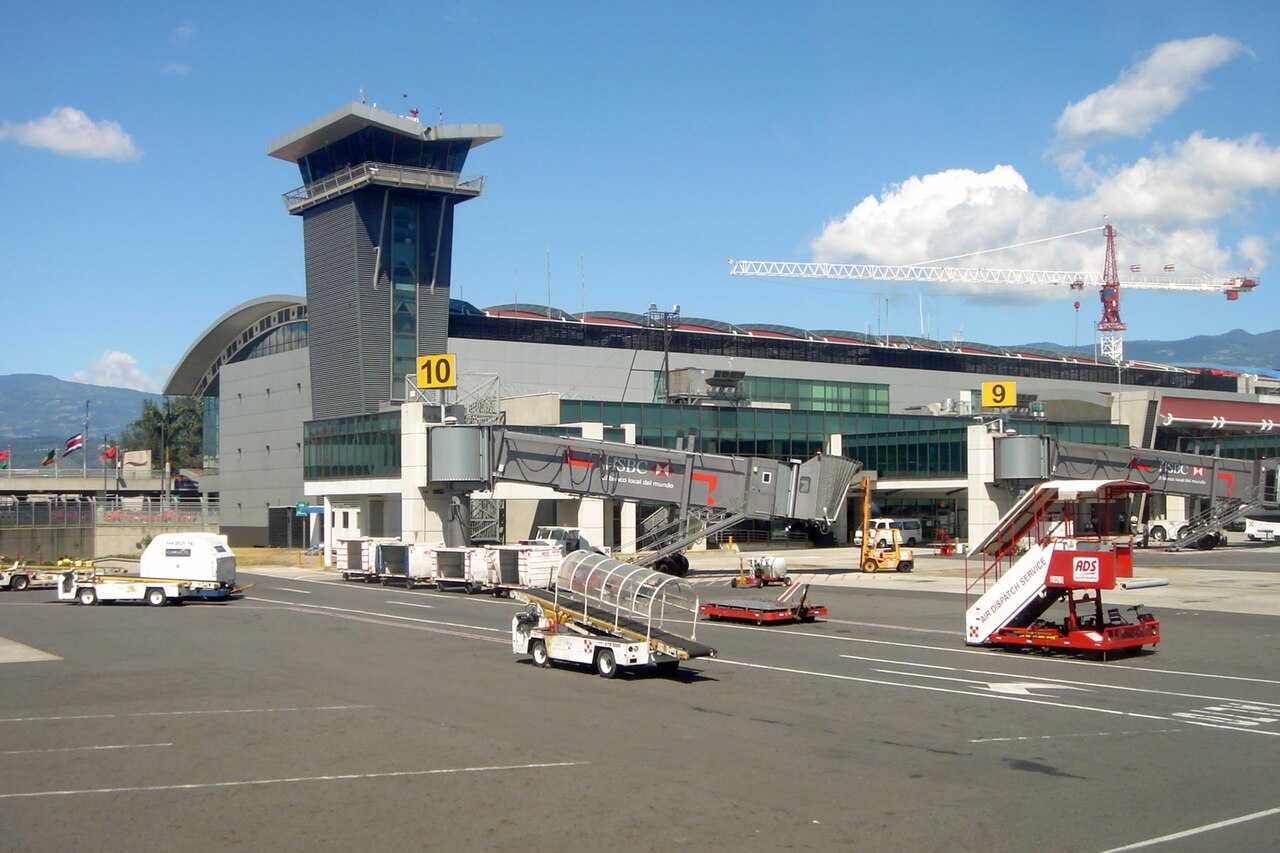
- Where. Juan Santamaría International Airport, San José, Costa Rica.
- When. Saturday 28 November 2026, after a Friday evening court order.
- As of 28 November 2026, 17:30 GMT
Albanese left Costa Rica for Mexico after a court ordered her out of the airport. Why the government barred her, and on what legal basis, is still unexplained.
At 6:50 p.m. on Friday 27 November, Costa Rica time (UTC-6), Constitutional Court magistrate Anamari Garro Vargas issued an urgent interim order on a habeas corpus appeal, a court appeal against unlawful detention. It told Migración’s police and its director general to move Albanese to a hotel near the airport, with food, water, medical care and contact with her lawyers.
The court file records her free and voluntary decision to fly to Mexico on Saturday. At 11:35 p.m., court clerk Marcelo Chavarría Agüero phoned Migración to check compliance and was told officials “were resolving it”.
Luis Mora Rodríguez, director of the University of Costa Rica’s Office of International Affairs and External Cooperation, says Migración complied at 12:11 a.m. on Saturday and she left the airport for a hotel. He says Migración put up several obstacles, such as asking for a hotel booking first.
At 12:58 a.m. the magistrate issued a new order, 47 minutes after Migración had complied. It requires Berny Alonso Barquero Castro, whom the court names as Migración’s acting director general, and Edwin José Miranda Hernández, head of its Professional Police, to report on carrying out the first order.
“It is very important that she left, because it means a victory of law and justice,” Mora said on 28 November, in words translated from Spanish by The Rio Times. She had come for an honorary doctorate and addressed Friday’s ceremony by video from the airport waiting room.
Albanese said goodbye at 6:41 a.m. on Saturday in a live video on Facebook. She said she had never seen a constitutional court act so effectively and urged Costa Ricans to protect the judiciary and academia, because “both are under attack”.
She promised to return “when Costa Rica is free again”. She then left for Mexico and posted on X a photo of her Italian passport on the plane.
The Defensoría de los Habitantes, Costa Rica’s ombudsman, led by Angie Cruickshank Lambert, said in a statement reported on 27 and 28 November that sovereign migration powers are “not absolute”. It said they must respect human rights duties, and that the case shows ignorance of her immunity as a UN expert under the 1946 Convention on the Privileges and Immunities of the United Nations.
The ombudsman says Migración used “administrative rejection” under article 64 of Migration Law 8764. It has formally asked Migración for the legal basis and the individual assessment.
The UN Special Procedures Coordination Committee, which speaks in Geneva for the UN’s independent experts, called the bar an “unacceptable attack” and a “reprisal” on 27 November. It joined the call of UN High Commissioner for Human Rights Volker Türk to let her in, saying her visit had been notified in advance to Costa Rica’s Permanent Mission in Geneva.
The committee called the accusations “part of a wider and alarming pattern of defamation, sanctions and intimidation”. “Costa Rica must not lend itself to this campaign,” it said.
The Italian embassy in San José said it had “repeatedly asked local authorities to facilitate her entry”. Its ambassador contacted Albanese and a consular official went to the airport, where she had formally not entered Costa Rica because she was in the international area.
The United States Treasury’s Office of Foreign Assets Control (OFAC) listed Albanese for sanctions in July 2025, took her off in May 2026 after a US court order, and restored the listing about a week later. According to the ombudsman, one habeas corpus filing links the bar to the July 2025 listing.
In April 2026 Costa Rica named Hamas, Hezbollah, Iran’s Revolutionary Guard and the Houthis as terrorist groups, as the United States has. In December 2025 it signed a free-trade agreement with Israel that still awaits ratification, and on 3 March 2026 it formally nominated Rebeca Grynspan, head of the UN trade agency UNCTAD, for UN Secretary-General.
Former president Laura Chinchilla wrote on X on 28 November that “once again the Constitutional Court of Costa Rica corrects a very grave and unjustified action by government authorities”. She added that “the last word on respecting the Constitution and human rights still belongs to judges and the rule of law”.
Migración said on 26 and 27 November that the rejection rests on national security, and Rodrigo Chaves, a former president who is now minister of the presidency, has defended the alert and criticised the courts for letting her move to a hotel. Migración has not said who issued the alert or on what evidence, and President Laura Fernández Delgado had made no statement by the time of writing.
The Constitutional Court still has to rule on the habeas corpus appeal, and no date has been reported. No public answer from Migración to the ombudsman’s request had been reported.
More: Costa Rica news in English, every day from The Rio Times.
Frequently Asked Questions
Why did Albanese leave Costa Rica?
After the court moved her to a hotel, she chose to fly to Mexico. The court file records that decision as free and voluntary.
Is the court case over?
No. The Constitutional Court has not yet ruled on the habeas corpus appeal, and no date has been reported.
Why does the United States come into it?
Albanese is under US Treasury sanctions, and one court filing links the bar to them, according to the ombudsman. Migración itself cites national security.
Sources
- Sala Constitucional order of 27 November 2026 and follow-up order of 28 November
- Defensoría de los Habitantes statement, 27–28 November 2026
- UN Special Procedures Coordination Committee statement, 27 November 2026
- Italian embassy in San José statement
- Luis Mora Rodríguez, University of Costa Rica
- Laura Chinchilla on X, 28 November 2026
- Francesca Albanese’s Facebook farewell video, 28 November 2026
- Migración y Extranjería statements, 26–27 November 2026
This article was produced by The Rio Times’ automated AI newsroom. Editorial responsibility: Matthias Camenzind, Publisher and Editor-in-Chief. The Rio Times also runs Ask Rio Times, which answers from 100,000+ of our own articles, the daily Latin America Power Map, and prediction-market odds on elections and markets.. How we use AI · Report an error