Costa Rica Holds Horse Breeder Wanted by US
A horse breeder wanted in the United States answered a camera with six words about his government. Nobody has explained them.

Crime: Costa Rica
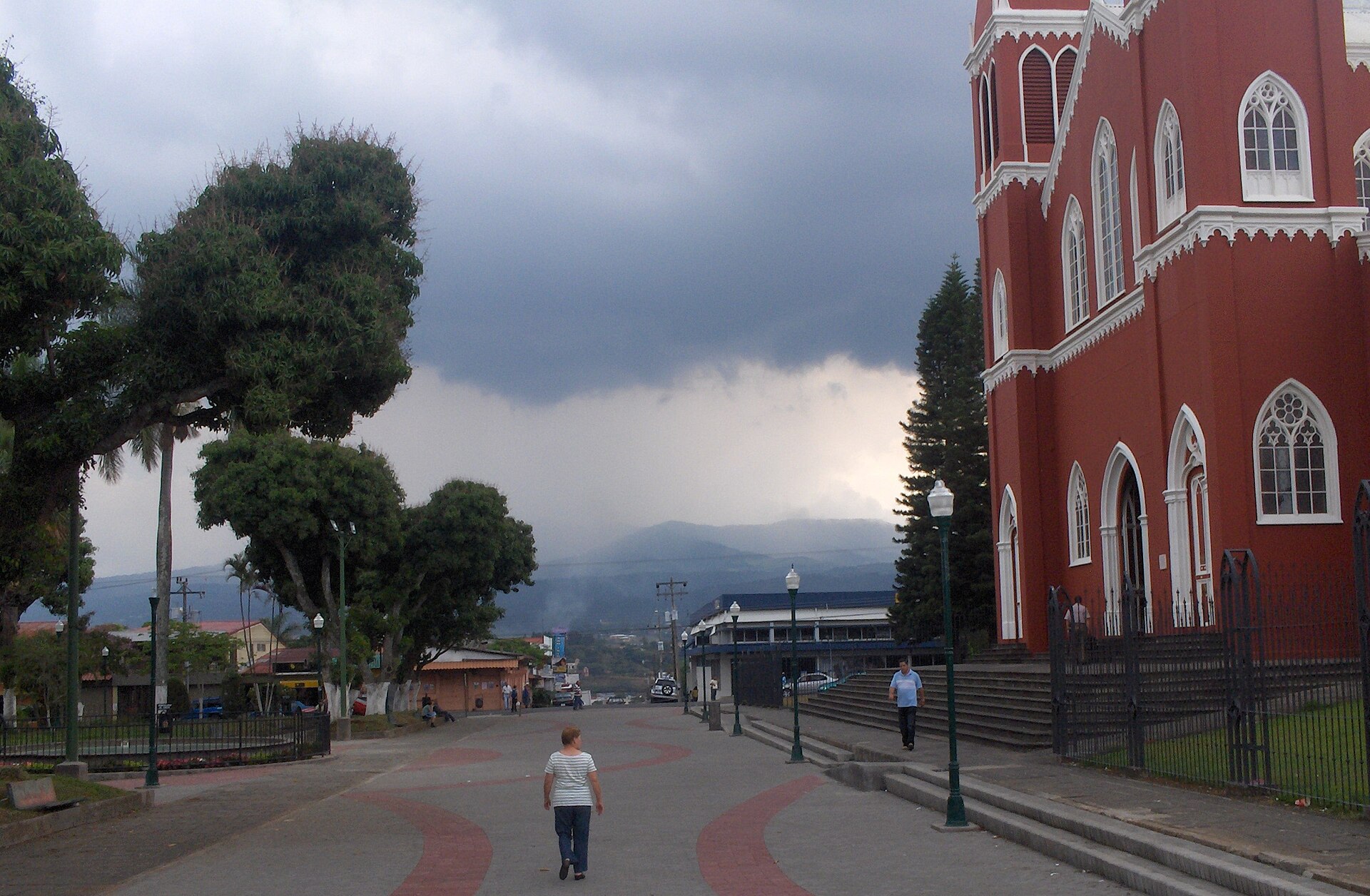
Costa Rican police arrested a horse breeder and luxury-car dealer on Thursday 26 November 2026, in San Luis de Grecia, in Costa Rica’s Alajuela province, on a request from the United States to hand him over on cocaine-trafficking charges. Early the next morning, in front of journalists’ cameras, he gave a one-line answer that the government has not yet addressed.
The man is Erick Barrantes Villalobos, known as “Caballos” (Horses), and he is a suspect, not a convicted criminal. During the search of his home on Friday 27 November, a reporter asked about his alleged links to the Sinaloa cartel, a Mexican drug gang, and after a pause he answered “El Gobierno está lleno de eso” (the government is full of that) before being led inside.
Key Facts
- Who. Erick Barrantes Villalobos, alias “Caballos”, horse breeder and car dealer, arrested as a suspect.
- What. Arrested on a US request over alleged cocaine manufacturing and distribution; he has not been tried.
- Where. San Luis de Grecia, Alajuela province, Costa Rica; wanted by a federal court in Texas.
- Power Index. Costa Rica ranks 9th of 14 in The Rio Times Latin America Power Index, with 35.5 points (November 2026 edition).
- As of. 27 November 2026, 18:00 GMT.
A horse breeder wanted in the United States answered a camera with six words about his government. Nobody has explained them.
Costa Rica changed its constitution in 2025 to allow the extradition of its own citizens for drug trafficking and terrorism. On 15 May 2025 the Legislative Assembly, the national parliament, gave final approval to the reform of Article 32, voting unanimously with 45 votes.
Attorney General Carlo Díaz calls suspects who hide behind a respectable front as businessmen, politicians or professionals “narcos invisibles” (invisible narcos), and he called the arrest part of a “second phase” of extraditions run with the DEA. He gave no figure for how many suspects the phase covers.
President Laura Fernández’s government presented a second security package of six bills to the Legislative Assembly on 27 July 2026. Violence remains high: the OIJ (Organismo de Investigación Judicial, Costa Rica’s judicial police) counted 873 homicides in 2025 in its year-end report, three fewer than in 2024.
The arrest was a joint operation of the US Drug Enforcement Administration (DEA), the Ministerio Público (public prosecutor’s office, also called the Fiscalía) and the OIJ. Michael Soto, the OIJ’s interim director, said it was brought forward because the suspect might leave the country.
The request comes from the US District Court for the Eastern District of Texas, which charges him, as reported, with manufacturing and distributing cocaine intended for import into the United States. Costa Rica has not tried him, and no court in either country has ruled on any of the allegations below.
Soto alleged that Barrantes had a high profile and close ties to leaders of the Sinaloa cartel, a Mexican drug gang. He said a roughly two-year investigation found cocaine from Colombia and Ecuador passing through Costa Rica to Guatemala and Mexico.
Barrantes is vice president of Ascacopa, the Costa Rican Paso Horse Breeders Association. A separate money-laundering investigation continues in Costa Rica.
Díaz announced that another extraditable suspect with a similar profile will be captured soon. He gave no date.
The remark is the open question. Barrantes did not say what “eso” (that) meant or whom he meant, and no response from President Fernández or her government had been published by Friday.
The record is also silent on his defence, since no statement from a lawyer has been published. No hearing date, court ruling or ministerial decision on the extradition has been announced.
For US readers the case matters because the charge concerns cocaine bound for the United States. The Texas court has asked for his handover, and neither Costa Rica’s courts nor its government have yet ruled on it.
Each arrest of this kind tests the new extradition power in practice. The reform makes a handover possible but does not decide guilt, and a US trial would turn on evidence no court has yet examined.
Frequently Asked Questions
Who is Erick Barrantes Villalobos?
He is a horse breeder and luxury-car dealer from Grecia who is a suspect, not a convicted criminal. The Costa Rican and US allegations against him have not been tested in court.
What did he mean by “the government is full of that”?
He did not say, and we found no official response. The remark stays unexplained and is not evidence against anyone.
Will he be sent to the United States?
No hearing date or decision has been announced. The new constitutional rule makes a handover possible but does not settle it.
Sources
Published Friday 27 November 2026 · Source: statements of the Organismo de Investigación Judicial (OIJ) and the Fiscalía (Ministerio Público) of 26 and 27 November 2026; Legislative Assembly vote on Article 32 of 15 May 2025; OIJ year-end homicide report for 2025
This article was produced by The Rio Times’ automated AI newsroom. Editorial responsibility: Matthias Camenzind, Publisher and Editor-in-Chief. The Rio Times also runs Ask Rio Times, which answers from 100,000+ of our own articles, the daily Latin America Power Map, and prediction-market odds on elections and markets.. How we use AI · Report an error
Connected Coverage
Costa Rica news · Costa Rica Drug Suspect Weighs US Handover · Latin America Power Map