Britain Rules Out Slavery Reparations for Jamaica but Keeps Talks Open
Key Facts
Caribbean nations have pressed Britain for more than a decade to repair the damage of slavery, and London has refused to pay. On 7 September it refused again, as Jamaica tried a new legal route in London.
Downing Street, the office of Prime Minister Andy Burnham, ruled out reparations on 7 September. The same day, Jamaica’s culture minister, Olivia Grange, delivered a petition on slavery to Buckingham Palace.
Why It Matters Beyond Jamaica
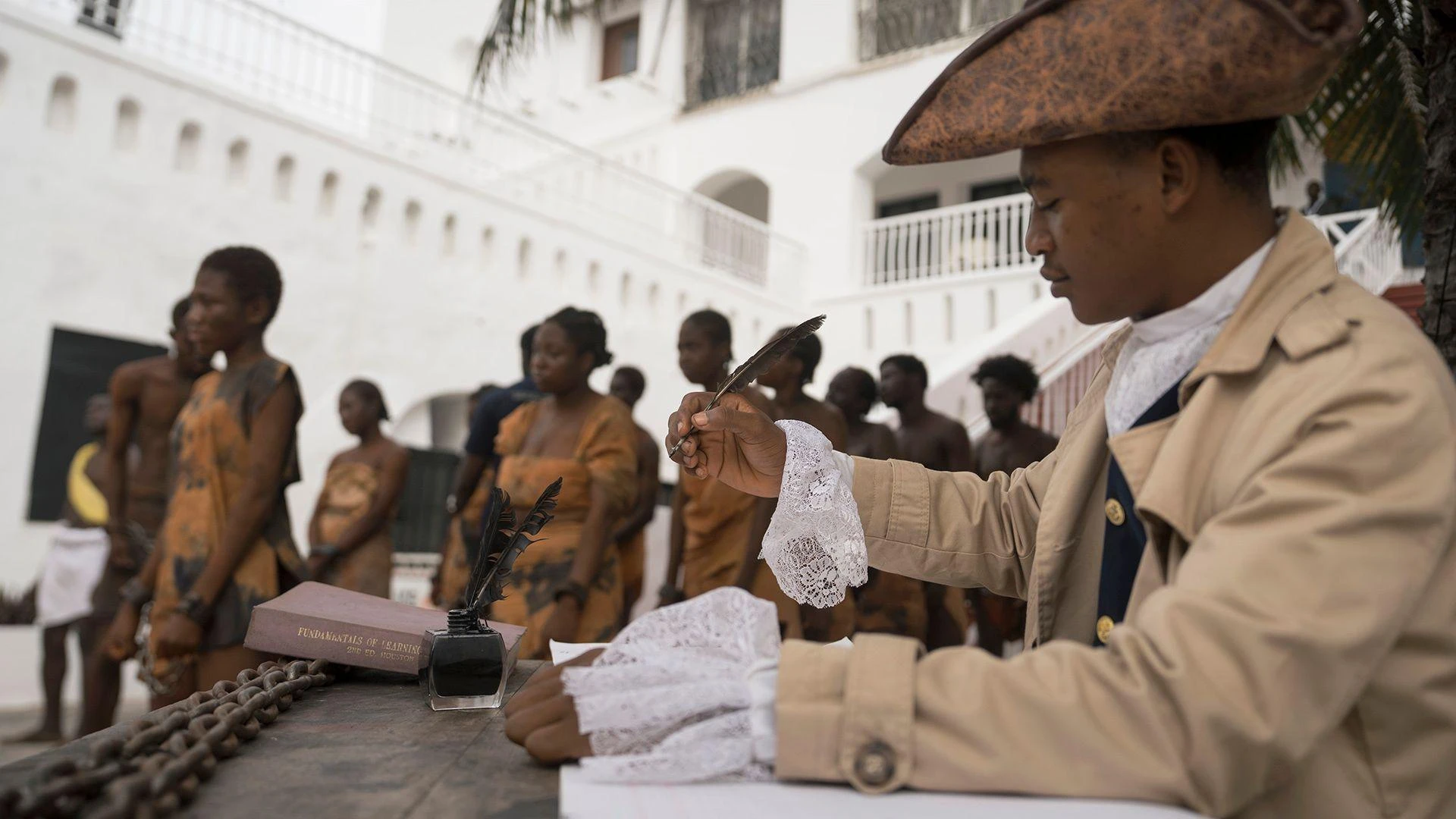
Under British rule, Jamaica became a leading sugar exporter, with a plantation economy built on enslaved Africans. Britain’s Slavery Abolition Act came into force on 1 August 1834, after a large slave revolt in Jamaica in 1831.
Freed people were then made to work as unpaid apprentices for their former owners, for up to 45 hours a week. Jamaica’s apprenticeships ended in 1838, under pressure from London.
The British state paid compensation to the registered owners of enslaved people, not to the people who were freed. That payout equalled about 40% of the Treasury’s annual income, and the debt behind it was only fully extinguished in 2015.
In 2013 the Caribbean Community, known as CARICOM, set up a reparations commission to press the case as a region. Its 2014 ten-point plan asks for formal apologies rather than statements of regret, among other measures.
In October 2024, Commonwealth leaders agreed the time had come for a “meaningful, truthful and respectful conversation” on slavery’s legacy. Britain joined that statement while insisting it was not considering any reparation payments.
Jamaica, an island of about 2.8 million people, became independent from Britain on 6 August 1962. King Charles remains its head of state, represented on the island by a Governor-General.
What Downing Street Actually Said
The prime minister’s official spokesman addressed the question at the lobby briefing, a daily session with journalists, on 7 September. The position given was that the United Kingdom does not and will not make reparations.
One outlet renders the same line with the word pay rather than make. We could not find a government transcript to settle which word was used.
The spokesman also called the transatlantic slave trade abhorrent, and said it was right to acknowledge the wrongs of the past. He added that Britain would continue to face forward and work with other countries on shared challenges.
That is a refusal of money. It is not a refusal of a conversation.
The Part Being Left Out
Buckingham Palace said the Jamaican representatives will be received by the Foreign, Commonwealth and Development Office. That office is Britain’s foreign ministry, and the words used were bilateral discussions.
So the claim that Britain rejected talks is contradicted by the record. The accurate sentence is narrower: Britain ruled out paying reparations while agreeing to receive the delegation.
That distinction matters, because a refusal to meet and a refusal to pay carry very different weight. For Caribbean governments, an open channel to the Foreign Office keeps the diplomatic track alive.
The King Did Not Refuse to Meet Anyone
Headlines in two British outlets said King Charles would not meet Jamaican officials, but no Palace statement says that. The Palace statement is procedural, and it pointed to lodging the petition with the Judicial Committee.
It said it understood Jamaica was seeking a petition to be heard before the Judicial Committee of the Privy Council. It added that the King has often expressed a personal commitment to promoting understanding of slavery and addressing historic wrongs.
The underlying fact is simply that the King was in Scotland when the petition was delivered. A campaigner’s line about ducking for cover was widely quoted, but it came from a republican campaign group, not the Palace.
What Jamaica Is Asking For
The delegation was led by Grange and delivered the petition to Buckingham Palace on 7 September. It asks the King to refer three legal questions on slavery to the Privy Council.
The Judicial Committee of the Privy Council is a London court that hears final appeals from some Commonwealth countries. Most of its work is done by justices of the UK Supreme Court.
Section four of the Judicial Committee Act of 1833 lets the government refer any matter to it for consideration and report. This is not a damages claim, because an advisory opinion cannot order anyone to pay anything.
Grange said the delegation wanted answers about the wrongs that were done. She said lawyers would decide the next move once they had them.
She also said she was encouraged, despite the refusal. That quotation comes from a single news agency.
Whether the Petition Is Properly Filed
Grange said the petition had been filed, while the Palace indicated the correct route is lodging it with the Judicial Committee. The Palace said it had been working with Jamaica’s Governor-General to ensure the petition is properly lodged.
So delivery to the Palace and valid filing are not the same step. Nobody should write that the Privy Council now has the case.
Reports that Jamaica’s Attorney General is the filer are not supported by the accounts of the day. Every account credits the Grange delegation, and we are not repeating the other detail without fresh sourcing.
An Old Position From a New Government
Andy Burnham has been Britain’s prime minister since 20 July 2026, and the foreign secretary is Ed Miliband. Coverage written before late July 2026 names a different British government, and several search results still do.
Jamaica’s prime minister is Andrew Holness, re-elected in September 2025, and Grange is his culture minister. Getting the names right matters, because this is a new administration restating an old position.
Britain’s position at the United Nations is older and separate. A UK representative there has argued there is no duty to make reparation for acts that were lawful at the time.
That argument long predates this week and should not be presented as a response to the petition. It does explain why Jamaica is now asking whether slavery in Jamaica was ever lawful at all.
What It Means If You Follow Britain and the Caribbean
For Jamaica, the legal route matters more than the refusal, because an advisory opinion would address the lawfulness question. For Britain, the statement shows continuity with earlier governments rather than a new policy.
For the wider Caribbean, the Foreign Office meeting is the one concrete opening from 7 September. For readers, the key distinction is between a refusal to pay and a refusal to talk, which did not happen.
What Is Not Yet Known
It is not known when the Foreign Office will meet the delegation or at what level. It is unresolved whether the petition has been properly lodged with the Judicial Committee.
No CARICOM statement responding to the British position could be found, from the secretariat or its reparations commission. No statement from Jamaican Prime Minister Andrew Holness on the refusal could be found either.
Frequently Asked Questions
Why does Britain’s refusal matter?
It shows a new British government keeping the long-standing refusal to pay for slavery. It came on the day Jamaica opened a new legal route through the Privy Council.
Did Britain refuse to hold talks with Jamaica?
No. Downing Street ruled out paying reparations, while Buckingham Palace said the delegation would be received by the Foreign Office for bilateral discussions.
What is Jamaica actually asking for?
An advisory referral of three legal questions on slavery to the Privy Council under the Judicial Committee Act of 1833. It is not a claim for damages.
Has the petition been formally filed?
It was delivered to Buckingham Palace on 7 September. The Palace indicated the correct route is lodging it with the Judicial Committee, so valid filing is unresolved.
Sources: Al Jazeera, the UK refusal and the petition, Jamaica Observer, the Downing Street wording, Jamaica Gleaner, Grange on wanting answers, Associated Press, the delegation at the Palace, Newsweek, the Palace statement in full, Wikipedia, Slavery Abolition Act 1833 and owner compensation, Wikipedia, CARICOM Reparations Commission, Wikipedia, 2024 Commonwealth summit and slavery reparations, Wikipedia, Judicial Committee of the Privy Council, Wikipedia, Jamaica, Wikipedia, Republicanism in Jamaica
This article was produced by The Rio Times’ automated newsroom system. How we use AI · Report an error · Editorial responsibility: Matthias Camenzind, Editor-in-Chief