
Refugees: Uganda
A violent storm reportedly killed a 17-year-old Sudanese girl at the Kiryandongo refugee settlement in Uganda on Saturday evening, 7 November 2026. That is what the Sudanese Refugee Community Leadership Office, a community body in the camp, says.
The account is reported, not confirmed. We found no statement from Ugandan authorities or the United Nations.
Key Facts
- Who. A 17-year-old Sudanese girl died in the storm, reported but not confirmed.
- Where. Kiryandongo, a refugee settlement in Uganda, on the evening of Saturday 7 November 2026.
- Damage. Refugee leaders report shelters destroyed, roofs collapsed and plastic sheeting torn; the number affected is unknown.
- Ask. Refugee leaders urge Uganda’s Office of the Prime Minister (OPM), which runs refugee settlements, and UNHCR, the UN refugee agency, to send shelter materials.
- Status. Single account from the refugee community; no official toll or government statement found.
A teenage refugee has reportedly died in a storm at a camp in Uganda that took in many Sudanese refugees after the war began. If confirmed, it would show how exposed people are who fled war and now depend on tarpaulins and timber.
What Happened on Saturday Evening
The Sudanese Refugee Community Leadership Office, a community body, not an official agency, that speaks for Sudanese refugees in Kiryandongo, said violent storms hit the area on the evening of Saturday 7 November 2026. It said a 17-year-old Sudanese girl died.
The statement is dated Sunday 8 November 2026, and we read it on 9 November. We have not been able to confirm it with a second source.
The office did not say how the girl died, and we do not speculate. We give her age and sex only, out of respect for her and her family.
The office said thunderstorms were continuing in the area. Uganda’s short rains usually run from September to December.
What the Community Says It Lost
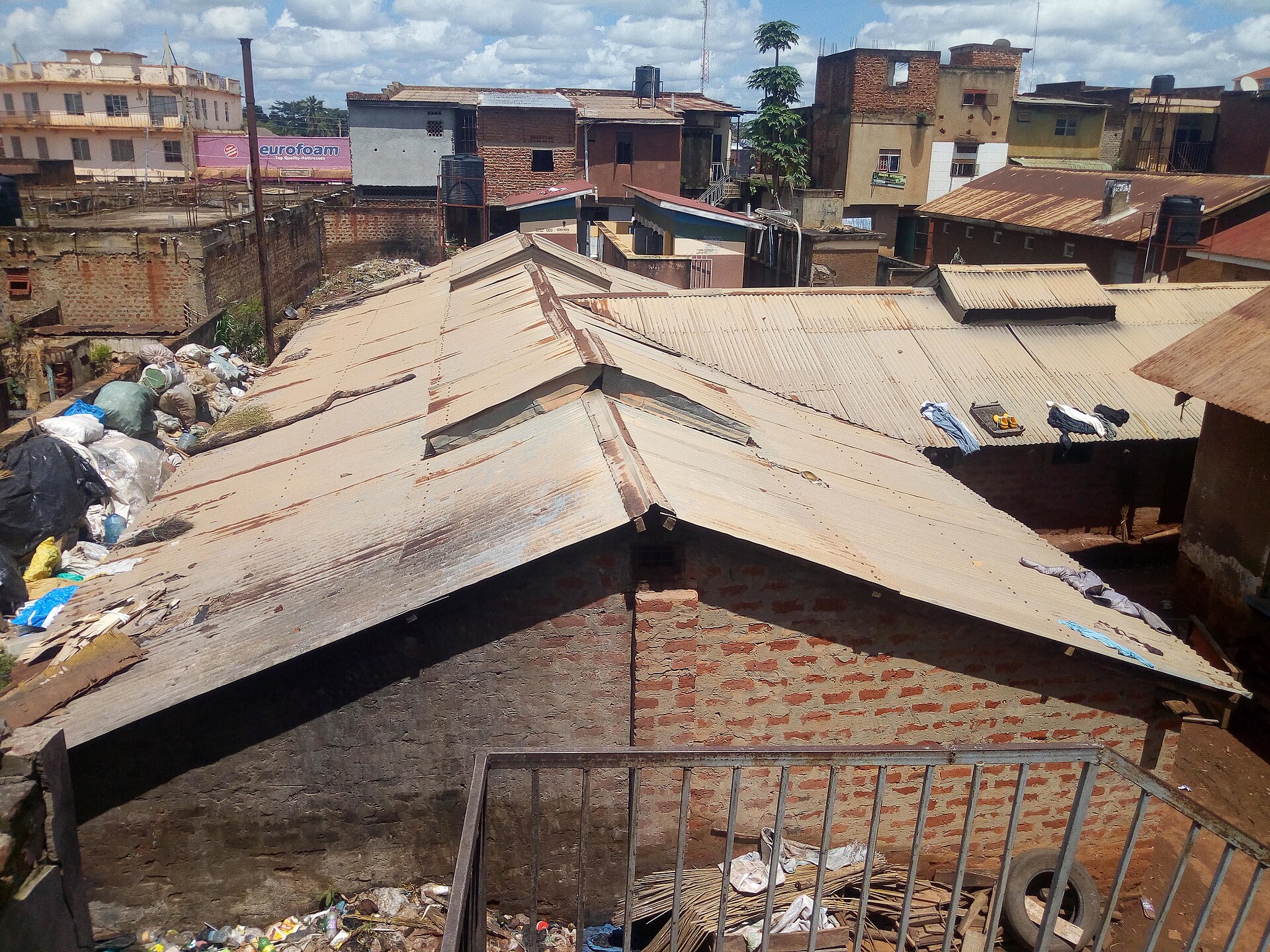
The office said the storms completely destroyed some refugee shelters. The office said others had their roofs and timber frames collapse.
Tarpaulins, which are sheets of heavy plastic, were torn. It said families were left without household goods.
It said parts of public facilities that serve refugees in the camp were also damaged. We do not know which facilities.
The office appealed to aid groups, charities and businesspeople for safe shelter and basic needs. It described the need as urgent.
It also called on Uganda’s Office of the Prime Minister (OPM), the ministry that runs refugee settlements, to assess the damage. It asked UNHCR, the UN refugee agency, to do the same and to send emergency shelter materials.
A Camp Already Stretched
Sudan’s war between the army and the Rapid Support Forces (RSF), a paramilitary group, began in April 2023. It has driven millions of people out of the country.
Uganda hosts about 2.06 million refugees and asylum seekers as of 31 October 2026, according to UNHCR, the largest refugee population in Africa. As of March 2026, 52 per cent were South Sudanese and 33 per cent Congolese.
The International Federation of Red Cross and Red Crescent Societies (IFRC), a global relief network, reported at the end of August 2024 a registered population of about 119,000 at Kiryandongo. Some 96 per cent lived inside the settlement and the rest were on record in Kampala.
In July 2025 deadly clashes broke out at Kiryandongo between newly arrived Sudanese refugees and refugees from the Nuer, an ethnic group from South Sudan. Police confirmed one death and two arrests, and local media counted more than 30 injured; our explainer on South Sudan’s geopolitics gives the wider background.
Aid funding is tight: UNHCR said in its March 2026 fact sheet that only 14 per cent of its 2026 requirement for Uganda had been met by 31 March. Our report on where Sudan’s refugees have gone shows how far the war’s effects now reach.
What It Means for You
For American readers, this is a small story with a large frame. Uganda hosts more refugees than any other African country, according to UNHCR, and aid funding for such camps is tight.
Storm damage to flimsy shelters is a practical test of whether limited aid money reaches the people who need it. Donors and aid agencies will be watched on how fast they respond.
Our Uganda and Sudan pages carry related coverage. Readers who give to refugee causes may want to check which groups are working in Kiryandongo.
What Is Not Known
We found no official death toll and no statement from the Ugandan government or the UN refugee agency. The report does not say how many shelters or families were affected.
The cause of the girl’s death is not reported beyond the storm. Everything here rests on a single account from the refugee community’s own leadership office, so it remains unconfirmed.
Frequently Asked Questions
What happened at Kiryandongo?
Refugee community leaders say storms on the evening of Saturday 7 November 2026 killed a 17-year-old girl and damaged shelters. The account is reported, not confirmed.
Has the government or the UN responded?
Uganda’s Office of the Prime Minister runs refugee settlements. We found no statement from it or from UNHCR, the UN refugee agency, as of 9 November 2026.
How many refugees live at Kiryandongo?
At the end of August 2024 the Red Cross and Red Crescent federation (IFRC) reported about 119,000 registered people at Kiryandongo. The number is likely higher now.
Sources
Sudanese Refugee Community Leadership Office, Kiryandongo (statement of 8 November 2026, as published); UNHCR Uganda data portal (data.unhcr.org/en/country/uga); Uganda Office of the Prime Minister (opm.go.ug); IFRC (Red Cross and Red Crescent federation) operational update, August 2024; UNHCR Uganda fact sheet, first quarter 2026. Read 9 November 2026.
This article was produced by The Rio Times’ automated AI newsroom. Editorial responsibility: Matthias Camenzind, Publisher and Editor-in-Chief. The Rio Times also runs Ask Rio Times, which answers from 100,000+ of our own articles, the daily Latin America Power Map, and prediction-market odds on elections and markets.. How we use AI · Report an error