U.S. Travel Ban Targets 19 Nations, Reshaping Immigration and Trade
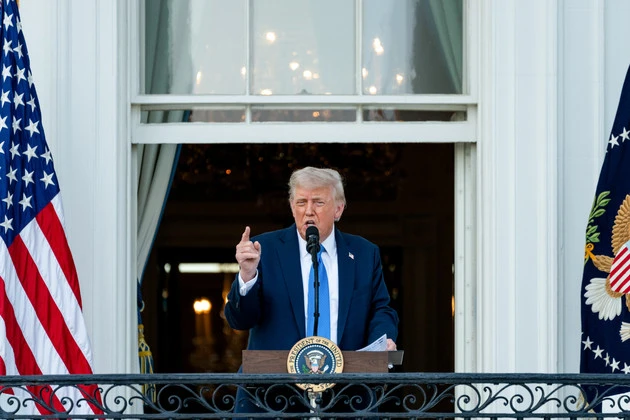
On June 4, 2025, President Donald Trump signed a proclamation barring entry to the United States for citizens from twelve countries and imposing new restrictions on seven others.
The White House and Department of Homeland Security confirmed that the ban takes effect June 9, 2025, and targets countries identified as security risks or lacking cooperation with U.S. authorities.
The full ban applies to Afghanistan, Myanmar, Chad, Republic of the Congo, Equatorial Guinea, Eritrea, Haiti, Iran, Libya, Somalia, Sudan, and Yemen. Partial restrictions affect Burundi, Cuba, Laos, Sierra Leone, Togo, Turkmenistan, and Venezuela.
The policy blocks new visas for most travelers from these countries, with exceptions for lawful permanent residents, current visa holders, and certain special cases.
The administration based its decision on assessments by the State Department, Homeland Security, and intelligence agencies. Officials cited unreliable identity documents, high visa overstay rates, and poor cooperation on security matters as key factors.
Afghanistan, for example, has a 9.7% overstay rate for business and tourist visas and a 29.3% rate for student visas, according to the Department of Homeland Security’s 2023 report.
Security Justifications and Broader Impacts
The administration also noted that Cuba and Venezuela refuse to accept deported nationals or share security information. President Trump linked the timing of the ban to a recent attack in Colorado involving a foreign national.
He argued that the incident highlighted the risks of admitting people from countries with inadequate screening. The policy aims to prevent entry by individuals who could threaten U.S. security.
The travel ban affects not only potential immigrants but also students, skilled workers, and business travelers. U.S. companies that rely on international talent or have business interests in the affected regions may face disruptions.
The ban could also impact trade and investment, as it signals a stricter approach to cross-border movement. This policy revives and expands a previous Trump-era ban upheld by the Supreme Court in 2018 and later revoked by President Biden in 2021.
The administration insists the ban is necessary for national security, while critics warn it could harm America’s reputation and economic interests.
This article was produced by The Rio Times’ automated newsroom system. How we use AI · Report an error · Editorial responsibility: Matthias Camenzind, Editor-in-Chief