Tribal Resistance Intensifies Against U.S. Backed Forces in Syria
In the midst of Syria’s protracted conflict, a tribal rebellion in Deir Ezzor is challenging the control of U.S.-supported Kurdish forces over the region’s land and resources.
This conflict has been intensified by the arrest and dethroning of a key Arab tribal leader by the Syrian Democratic Forces (SDF). This action has reinvigorated local resistance.
Led by Sheikh Ibrahim al-Hafl, the movement underscores a significant shift in the region’s power dynamics. It directly confronts both Kurdish authority and U.S. strategic interests.
The U.S. maintains critical bases on strategic oil fields within the predominantly Arab area. It portrays local tribal groups as a security threat intertwined with Syrian and Iranian interests.
This narrative justifies continued American presence and influence in the area, which the local groups vigorously contest.
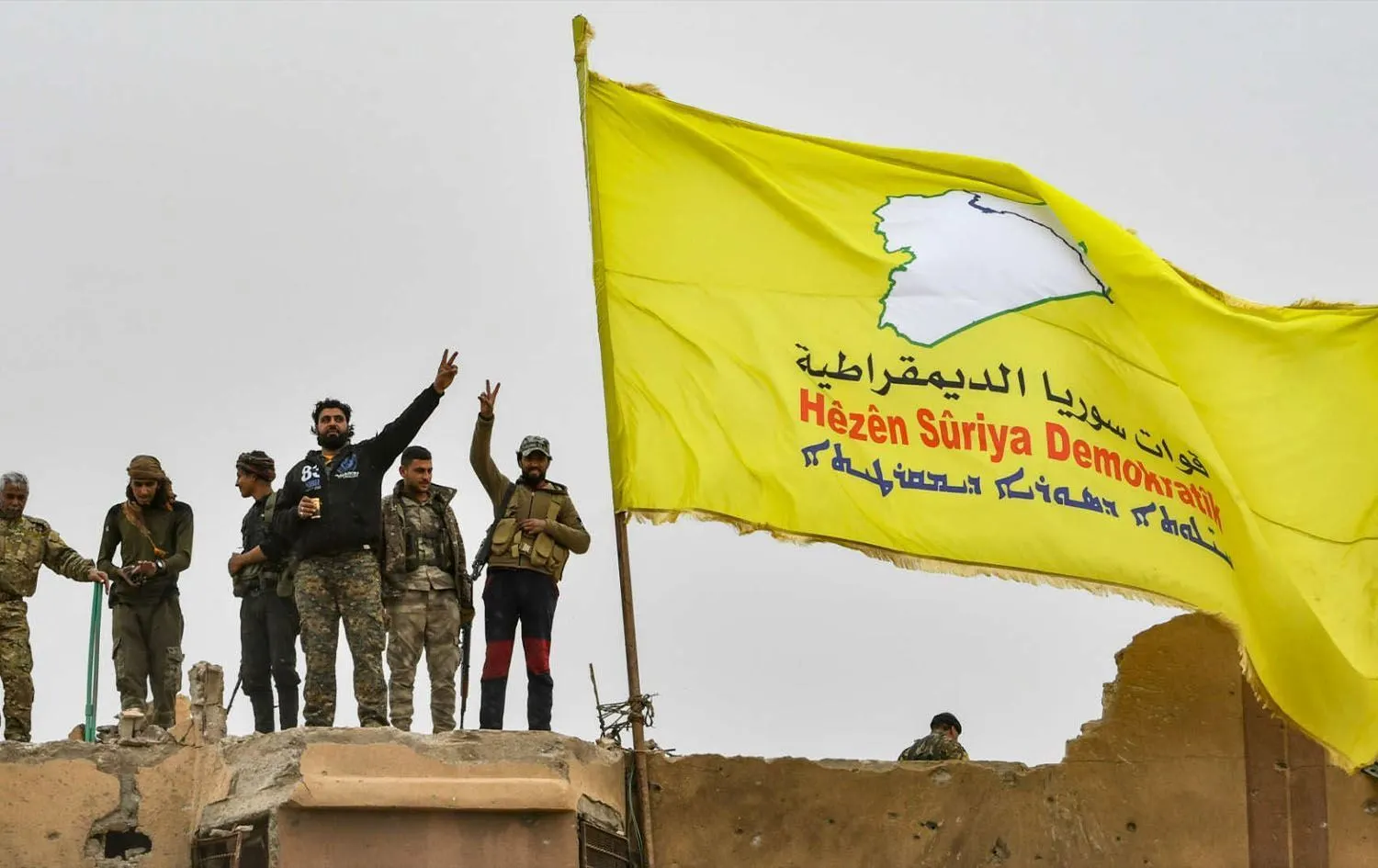
Their response has been a series of escalated attacks against the SDF, highlighting a broader Arab discontent with foreign military occupations and the perceived exploitation of resources.
These confrontations have significant implications. For the U.S., maintaining control over these areas is vital for geopolitical leverage in the Middle East, particularly concerning resource flows and regional stability.
For local groups, it is a fight for autonomy, resource rights, and resistance against external control. The ongoing clashes not only reflect deeper regional conflicts but also the intense struggle between local aspirations and foreign policy agendas.
This uprising is not just a local skirmish but a focal point in the broader Middle Eastern conflict. It demonstrates the enduring complexity of Syrian politics and the heavy toll of prolonged foreign intervention.
The resistance led by Sheikh Hafl and his groups is a testament to the challenging path toward sovereignty and stability. The region is marred by external interests and internal divisions.
This article was produced by The Rio Times’ automated newsroom system. How we use AI · Report an error
Read More from The Rio Times