Shifting Sands: Chinese Solar Firms Pivot to Middle East Amid Trade Tensions
Amid escalating trade barriers from the US and EU, Chinese solar companies are strategically redirecting their expansion efforts towards the Middle East.
This move aims to circumvent restrictions that threaten their dominance in the global solar market. Key players like Jinko Solar and TCL Zhonghuan are leading this shift by investing billions into new production facilities.
They are collaborating with regional partners, including Saudi Arabia’s Public Investment Fund. The Middle East’s transition from fossil fuels to renewable energy creates fertile ground for this expansion.
Countries like the UAE, Saudi Arabia, and Kuwait are aggressively pursuing net-zero targets, with solar energy slated to dominate their future power supply.
By 2050, solar power is expected to account for over half of the region’s energy, a significant leap from just 2% in 2023.
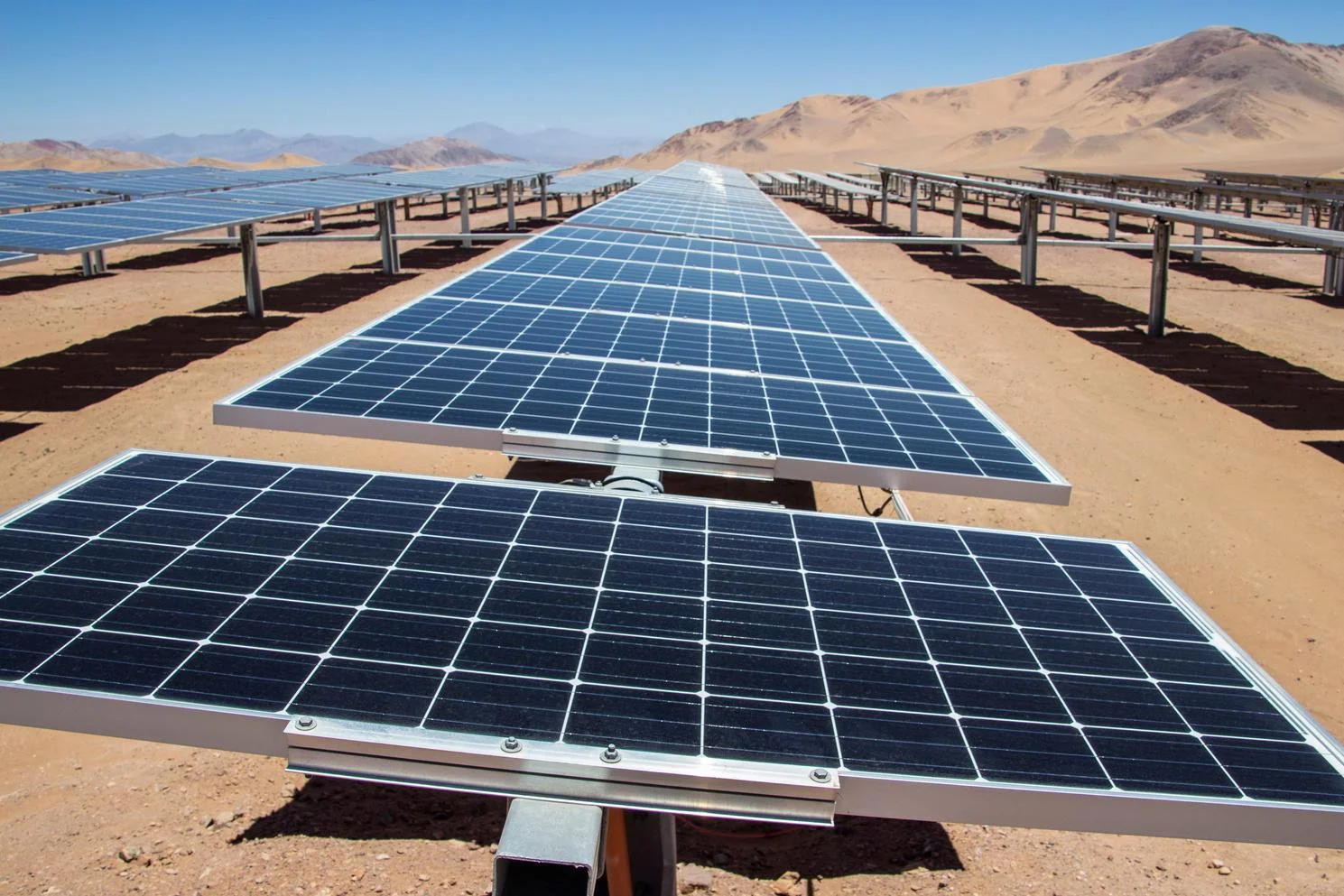
This geographic and strategic shift offers Chinese manufacturers an escape from punitive tariffs. It also provides access to a growing market that is less saturated than those in the West.
The Middle East as an Energy Hub
Analysts such as Nishant Kumar from Rystad Energy highlight the Middle East’s strategic position as an energy nexus linking major continents. This location could facilitate energy exports.
However, the sustainability of this strategy is debatable. While the Middle East offers immediate respite and market opportunities, it does not guarantee long-term refuge from global trade dynamics.
Issues like skilled labor shortages, political instability, and the potential for similar trade barriers to emerge could mirror the challenges faced in other regions.
In essence, while the Middle East presents a new arena for growth and competition for Chinese solar firms, this pivot may be a temporary fix. It might not serve as a permanent solution.
The region could serve as a critical test ground for the adaptability and resilience of Chinese solar enterprises. It would be a key area in the evolving global energy landscape.
Background
Chinese solar firms dominate the global solar industry, controlling over 80% of the supply chain for solar panels and components.
Their competitive pricing and rapid scalability have allowed them to outpace competitors in the United States and Europe.
Despite their success, firms face major trade barriers like tariffs and anti-dumping measures, especially from the US and EU. These measures are designed to curb their market penetration.
The industry’s overcapacity and fierce competition within China have led to diminishing profit margins, prompting companies to explore new markets.
As a result, firms are turning to the Middle East for lower costs and fewer regulations. This shift helps them sustain growth and circumvent Western trade restrictions.
This article was produced by The Rio Times’ automated newsroom system. How we use AI · Report an error
Read More from The Rio Times