These are the main projects of the Brazilian Navy for LAAD 2023
By Roberto Caiafa
The Tamandaré-class frigate (PFCT) and Riachuelo-class submarine (PROSUB) programs are the biggest demands on the Brazilian Navy today.
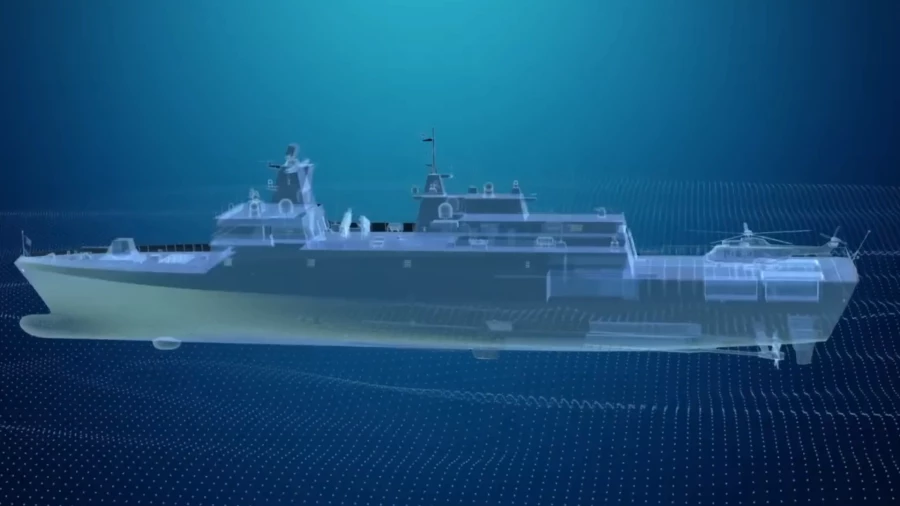
While the construction of the first frigate follows the schedule planned in Itajaí (SC), a series of actions ranging from the reception of armaments and systems ordered for the ships to the technological transfers of these acquisitions are being carried out in the different directions involved.
For example, the first rapid-fire gun 76/62 (Leonardo/Oto Melara), destined for the frigate Tamandaré, is already ready and has recently completed acceptance tests in a factory in La Spezia, Italy.
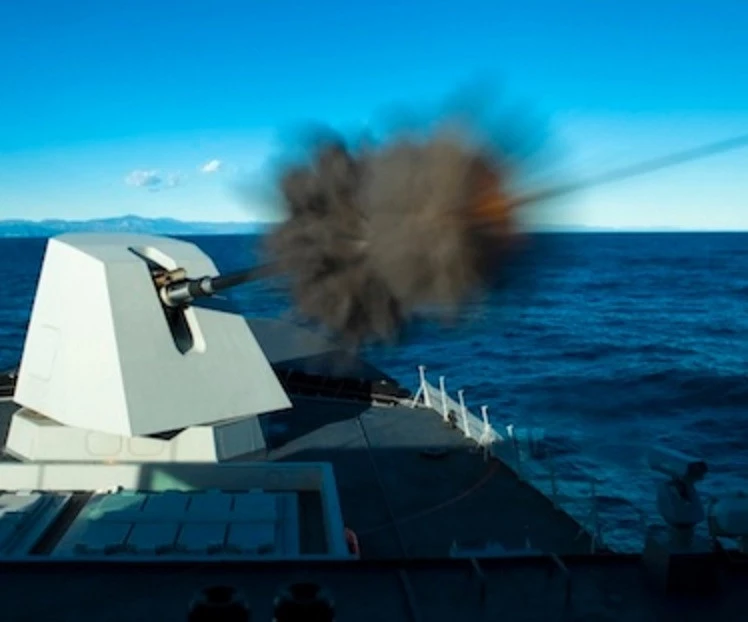
The Navy Ammunition Factory intends, within the ToT established in the contract, to produce the 76mm ammunition of this cannon in the country, including the Vulcan-type guided smart firecrackers produced by Leonardo/Oto Melara.
This is a GPS-guided sub-calibrated system whose target is coupled to the final trajectory by infrared.
The ammunition can move 5° on each axis to increase the impact capacity. The range of the 76 mm version is up to 40 km.
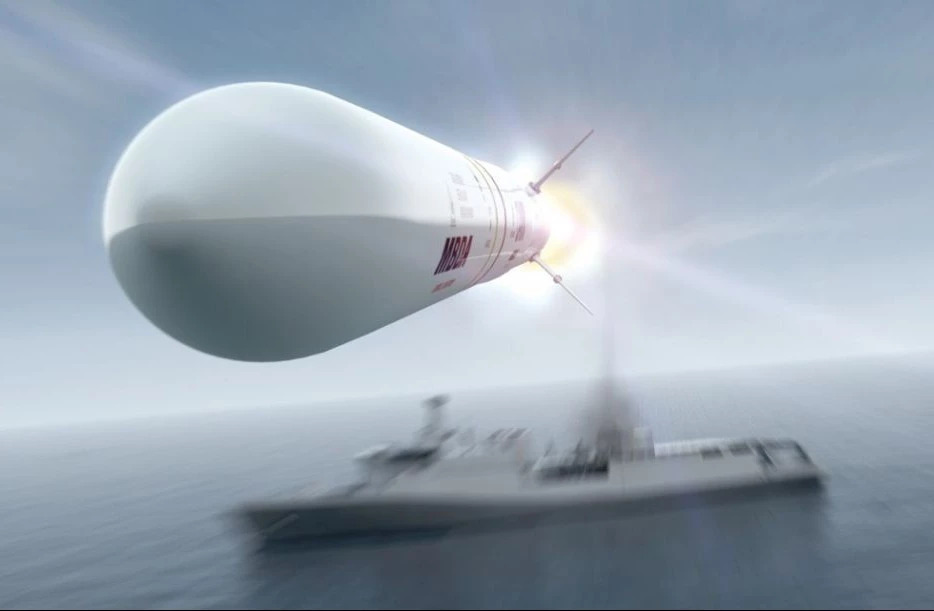
MBDA’s Sea Ceptor surface-to-air missile is the first vertically launched embarked surface-to-air system in the history of the Brazilian Navy.
Its arrival brings a major doctrinal reformulation, as does the 76 mm gun and its ammunition.
The high combat power of these frigates will require control, and the three-dimensional radars on these ships bring with them the need to acquire more of these systems to equip other ships in the fleet.
Introducing modern means in the MB will change how anti-submarine, surface and anti-aircraft threats are countered.
SUBMARINE PROGRAM
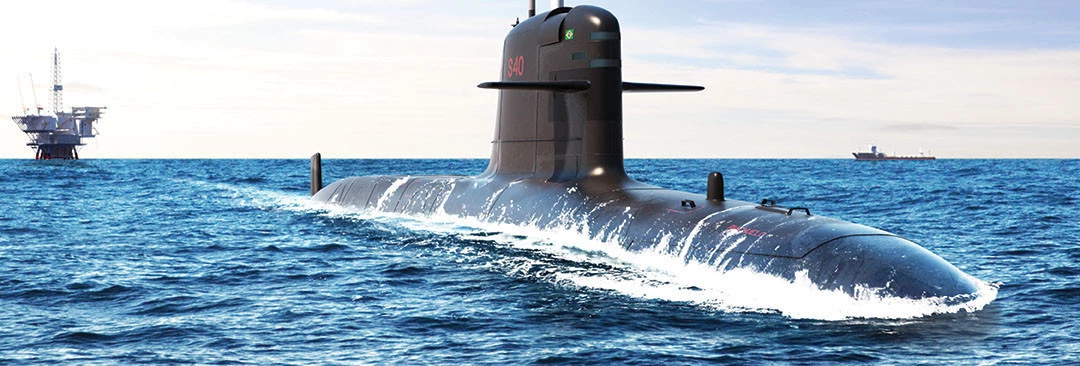
The Prosub and the Riachuelo class will also be highlighted at LAAD 2023.
The delivery of the 2nd submarine at the end of 2023 also means that the time is approaching when the Brazilian Navy, Itaguaí Construções Navais (ICN), and the Brazilian government will either order the construction of more units of these submarines, expanding the PROSUB or start the construction of new vessels such as the 500-ton patrol boats currently in the budget and production planning phase.
In the river fleet, LAAD 2023 is a good opportunity to realistically discuss the replacement of river patrol boats currently in use in the Amazon/Central West Region with others of the current design.
They can operate drones and small autonomous vessels, maintain helicopter operations and receive Marines on board, and are equipped with sensors and high-tech weaponry, preferably of national content from the Defense Industrial Base.
In the Marine Corps, the continuity of Pro-Adsumus should open business opportunities in logistics and equipment/technology and the urgent choice of a replacement for the depleted SK-105A2S tank destroyers and new Integrated Logistics Support contracts for the 8×8 Piranha III and AAV7A1 RAM-MS CLANF armored fleets.

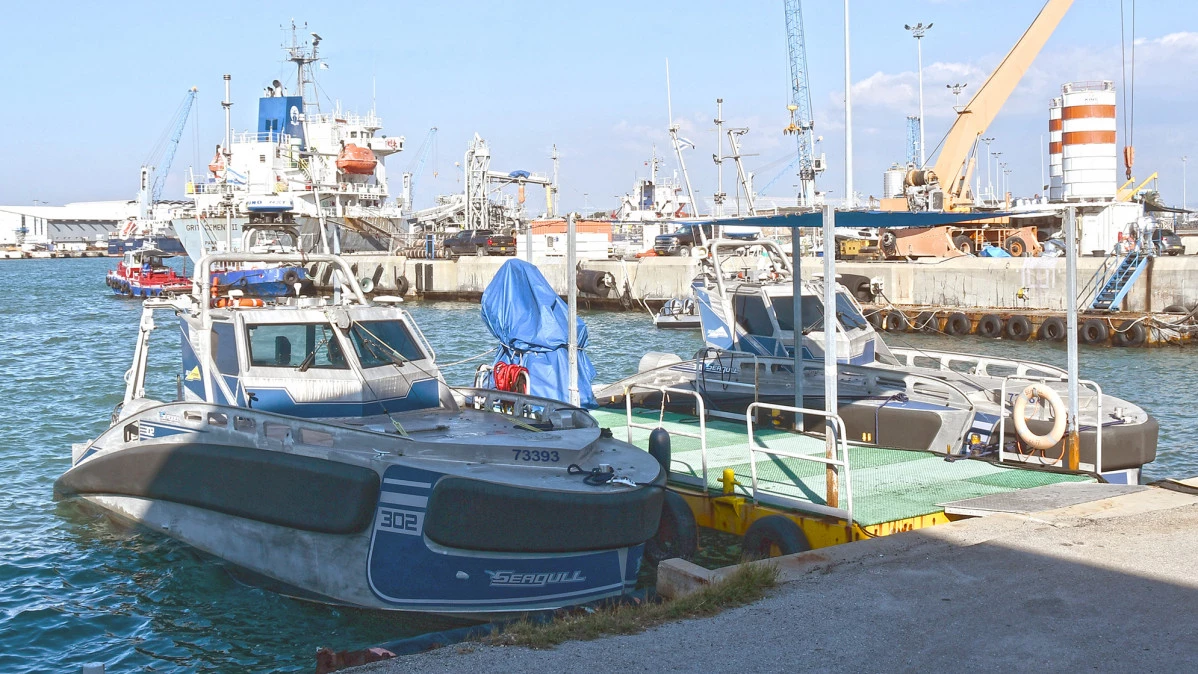
One sector that should come strong at LAAD 2023, focused on the Brazilian Navy, is Autonomous Surface Vessels (USVs), both with Brazilian solutions currently in development, such as the projects of startup TideWise, and with products with proven functionality, for example, Seagull, from Israel’s Elbit Systems, to name just one system.
Remotely operated underwater vehicles are also expected to compete in a market encompassing port and naval base protection, mine and mine warfare, naval asset inspection, and many other demands, such as security and surveillance/intelligence.
With information from Infodefensa
Editorial responsibility: Matthias Camenzind, Editor-in-Chief · Editorial standards · Report an error
Read More from The Rio Times