The Ultimate Guide to Chest Laser Hair Removal
(Sponsored) In recent years, laser hair removal has gained immense popularity as a preferred method for long-term hair reduction. Among the various areas of the body where individuals seek this treatment, the chest is a particularly common choice for both men and women who desire a smooth and hair-free appearance.
This comprehensive guide will explore everything you need to know about chest laser hair removal, from the science behind the procedure to what you can expect before, during, and after treatment.
Understanding Laser Hair Removal
Laser hair removal is a medical procedure that uses concentrated beams of light to target and destroy hair follicles. The pigment in the hair absorbs the light, which is then converted into heat, damaging the tube-shaped sacs within the skin that produce hairs. This damage inhibits or delays future hair growth.
The procedure is designed to remove unwanted hair from various parts of the body, including the chest. It is important to note that while laser hair removal does not guarantee permanent hair removal, it does significantly reduce hair growth. Multiple sessions are typically required for optimal results.
Why Choose Laser Hair Removal for the Chest?
The chest area is one of the most common areas for laser hair removal, particularly among men who may experience dense and rapid hair growth in this region. Women may also seek this treatment to address hormonal hair growth or personal aesthetic preferences.
Some of the key benefits of choosing laser hair removal for the chest include:
- Long-lasting Results: Unlike shaving or waxing, laser hair removal offers a more permanent solution to unwanted chest hair, reducing the need for frequent maintenance.
- Precision: Lasers can selectively target dark, coarse hairs while leaving the surrounding skin undamaged.
- Speed: Each pulse of the laser takes a fraction of a second and can treat many hairs at the same time. Small areas such as the upper lip can be treated in less than a minute, while larger areas like the chest can take up to an hour.
- Predictability: Most patients experience hair loss after an average of three to seven sessions.
Preparing for Your Laser Hair Removal Session
Proper preparation is crucial to ensure the best outcomes from your laser hair removal chest treatment. Here are some steps to follow:
- Avoid Sun Exposure: Tanned skin increases the risk of side effects, so it’s vital to avoid sun exposure for at least six weeks before treatment. Always use a broad-spectrum sunscreen if you’re going to be in the sun.
- Refrain from Other Hair Removal Methods: Avoid plucking, waxing, or electrolysis for at least six weeks before the procedure, as these methods can disturb the hair follicle and hinder the effectiveness of laser treatment.
- Shave the Area: Shaving the treatment area a day or two before the session is recommended. It removes hair above the skin that can cause damage from burnt hair but leaves the hair shaft intact below the skin for the laser to target.
- Consult with a Professional: A consultation with a licensed dermatologist or certified laser technician is essential to discuss your medical history, assess your skin type, and tailor the treatment to your specific needs.
The Laser Hair Removal Procedure
Here’s what you can expect during your laser hair removal session for the chest:
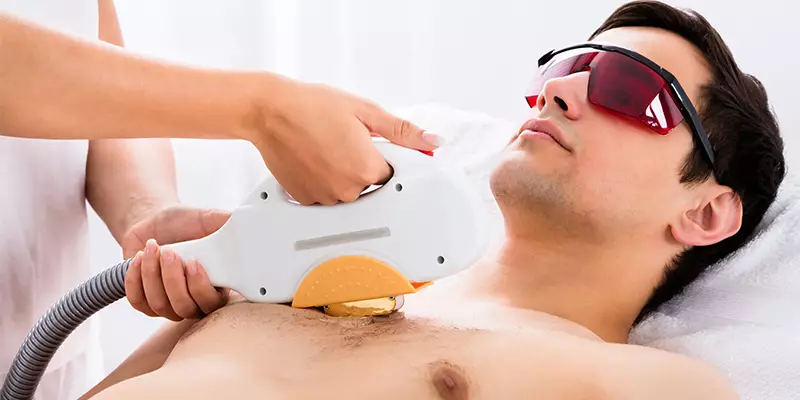
- Preparation: The treatment area will be cleaned, and you may be given protective eyewear to shield your eyes from the laser light.
- Application of Laser: The technician will use a hand-held laser device and press it to your skin. A cooling gel or device may be used to protect your skin and reduce the risk of side effects.
- Sensation: You may feel a warm pinprick or a sensation similar to a rubber band snapping against your skin. The cooling gel or device helps alleviate discomfort.
- Duration: Depending on the size of the treatment area, the procedure can take anywhere from a few minutes to an hour.
Post-Treatment Care and Expectations
After the procedure, you might experience some redness and swelling similar to a mild sunburn, which typically subsides within a few hours. Here are some post-treatment care tips:
- Apply Cool Compresses: These can help alleviate any discomfort and reduce swelling.
- Avoid Sun Exposure: Continue to protect your skin from the sun and avoid tanning beds for at least six weeks post-treatment.
- Follow Up: Adhere to the treatment schedule advised by your practitioner to achieve the best results. Typically, sessions are spaced four to six weeks apart.
- Be Patient: Hair loss will occur gradually over several days to weeks. It’s also possible that new hair growth might occur, but these hairs are usually finer and lighter.
Potential Side Effects and Risks
Laser hair removal is generally considered safe when performed by a qualified professional. However, like any medical procedure, it carries some risks, which may include:
- Skin Irritation: Temporary discomfort, redness, and swelling are common but usually resolve within a few hours.
- Pigment Changes: Some individuals may experience lightening or darkening of the skin, which can be temporary or permanent.
- Rare Complications: Blistering, scarring, or changes in skin texture are rare but possible, especially if post-treatment care instructions are not followed.
Conclusion
Laser hair removal is a highly effective option for those seeking to reduce or eliminate unwanted chest hair. By understanding the process, preparing adequately, and following recommended aftercare, individuals can achieve smooth, hair-free skin with minimal discomfort and downtime. Always consult with a certified professional to ensure the best possible outcomes and address any concerns specific to your skin type and health history.
This article was produced by The Rio Times’ automated newsroom system. How we use AI · Report an error
Read More from The Rio Times