Autonomy vs. Theonomy: The Real Tension Shaping Modern Moral Thought
(Analysis) Official sources and theological scholarship reveal a long-standing debate at the core of Western moral and religious thinking: the tension between autonomy—the elevation of personal choice as the highest good—and theonomy—the conviction that divine law should guide human behavior.
This debate, rooted in centuries of philosophical and theological reflection, shapes not only religious life but also the broader cultural and ethical landscape.
The concept of autonomy, as defined by official theological sources, centers on the individual’s capacity to make moral choices based on personal beliefs and reasoning.
Autonomy means self-law, where each person becomes the ultimate authority in determining right and wrong.
This notion gained prominence in modern Western culture, especially after the Enlightenment, which celebrated individual liberty and rational self-determination.
Philosophers such as Immanuel Kant argued that true morality must come from within, guided by reason and free will, rather than imposed by external authorities.
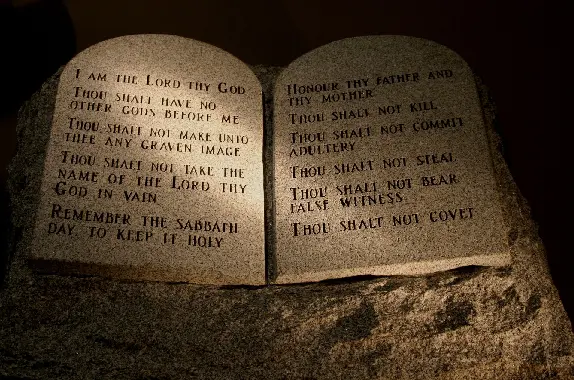
Theonomy as Moral Anchor
However, critics within the Christian tradition, including influential theologians like Cornelius Van Til and Greg Bahnsen, argue that absolute autonomy leads to moral relativism and social fragmentation.
They assert that every ethical decision ultimately depends on a final authority—either the self (autonomy) or God (theonomy). According to Bahnsen, “There is no alternative but that of theonomy and autonomy.”
He contends that when individuals or societies reject divine law as their standard, they risk creating a system where moral norms become arbitrary and unstable.
Theonomy, in contrast, proposes that God’s law—especially as revealed in scripture—should serve as the supreme and unchallengeable standard for human conduct.
This view does not necessarily advocate for a theocratic government but insists that moral principles must derive from divine revelation rather than human invention.
Theonomists claim that by aligning human laws and ethics with God’s commands, societies can achieve justice, order, and true freedom.
Bahnsen writes that “the word of the Lord is the sole, supreme, and unchallengeable standard for the actions and attitudes of all men in all areas of life.”
He argues that only by submitting to God’s law can individuals and communities avoid the pitfalls of moral chaos and self-destruction.
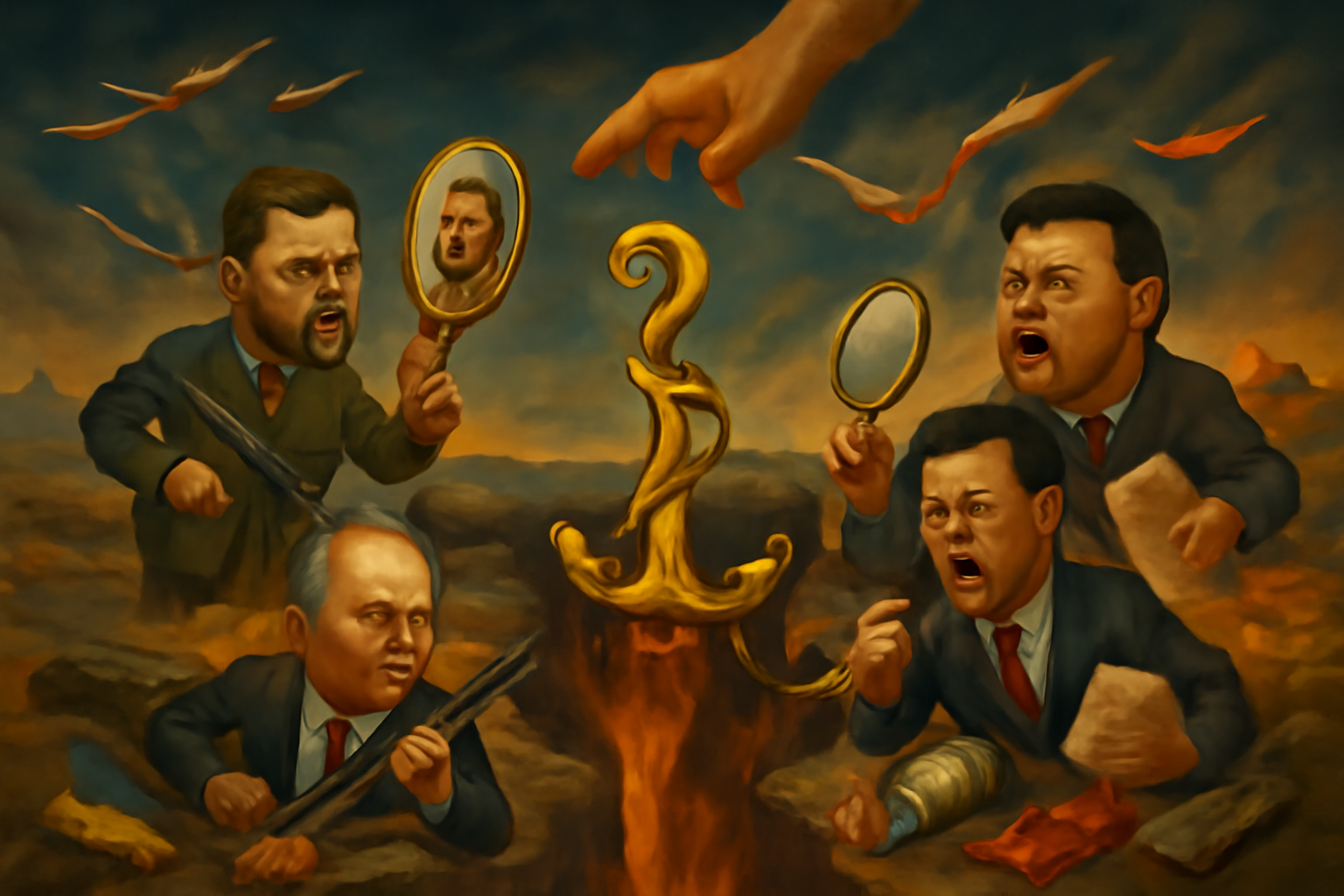
Seeking Balance and Modern Implications
Yet, official sources within the broader Christian tradition caution against a rigid application of theonomy.
Classical Reformed theologians and documents such as the Westminster Confession of Faith recognize the enduring value of natural law—moral principles accessible to all people through reason and conscience, not only through scripture.
These sources argue that while God’s law provides an objective standard, human beings possess a degree of moral autonomy that reflects their creation in the image of God.
The Second Vatican Council, for example, describes genuine freedom as “an outstanding manifestation of the divine image” in humanity.
It warns against both the error of absolute autonomy, which denies participation in divine wisdom, and the error of heteronomy, which reduces human beings to passive recipients of external commands without personal freedom or reason.
The synthesis proposed by some theologians, such as Paul Tillich, is a concept called “participated theonomy.”
This approach seeks to balance the legitimate claims of autonomy and theonomy. It recognizes that human freedom and reason must participate in God’s wisdom and providence, rather than operate independently or in blind submission.
According to this view, true moral life arises when individuals freely choose to align their will with God’s law, not out of coercion but from a recognition of its truth and goodness.
This perspective sees the moral law as an expression of divine wisdom that enables, rather than restricts, authentic human flourishing.
The practical implications of this debate extend beyond the walls of churches and seminaries.
In business, law, and public policy, the question of whether moral norms should be grounded in autonomous human reasoning or in objective, transcendent standards remains fiercely contested.
Advocates of autonomy argue that innovation, creativity, and progress depend on the freedom to question and reform established norms.
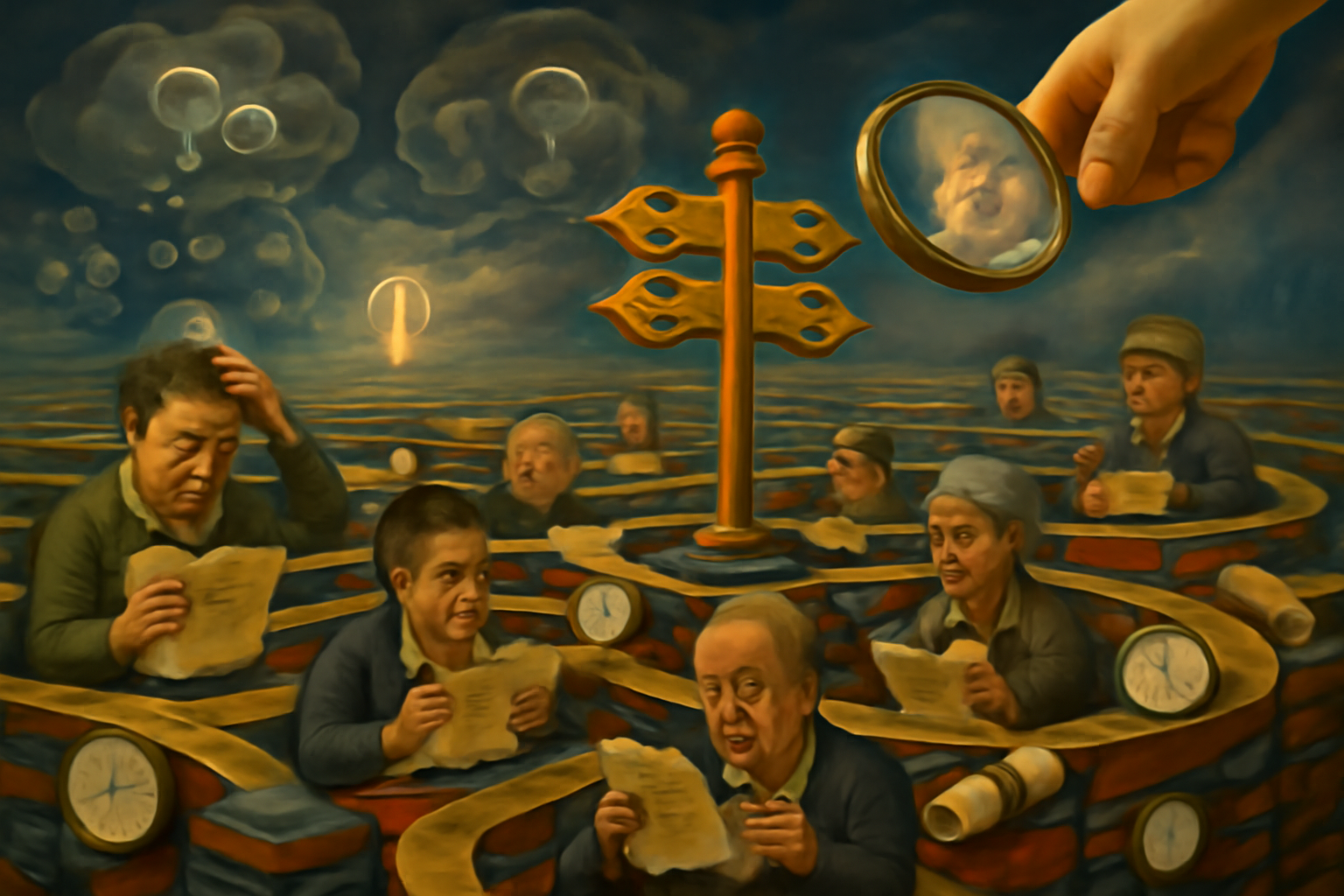
Descending into Conflict and Confusion
Proponents of theonomy warn that without a shared foundation rooted in something higher than individual preference, societies risk descending into conflict and confusion.
Recent trends in Western societies, such as declining birth rates and rising mental health challenges, have prompted some religious leaders to link these phenomena to the loss of a shared sense of purpose and objective moral order.
They argue that when personal choice becomes the highest value, individuals may experience isolation and existential anxiety, cut off from the values and communities that give life meaning.
At the heart of the autonomy-theonomy debate lies a fundamental question: What is the source of moral authority?
Is it the individual, with all the risks and possibilities that freedom entails, or is it a higher law that claims to transcend personal preference?
The answer to this question shapes not only personal lives but also the direction of entire cultures.
Editorial responsibility: Matthias Camenzind, Editor-in-Chief · Editorial standards · Report an error
Read More from The Rio Times