(Analysis) The relationship between China and Russia has evolved, highlighting the complexities of global power dynamics.
This shift has heightened tensions with the U.S.-led Western alliance, marking a significant change that influences international policies and stability.
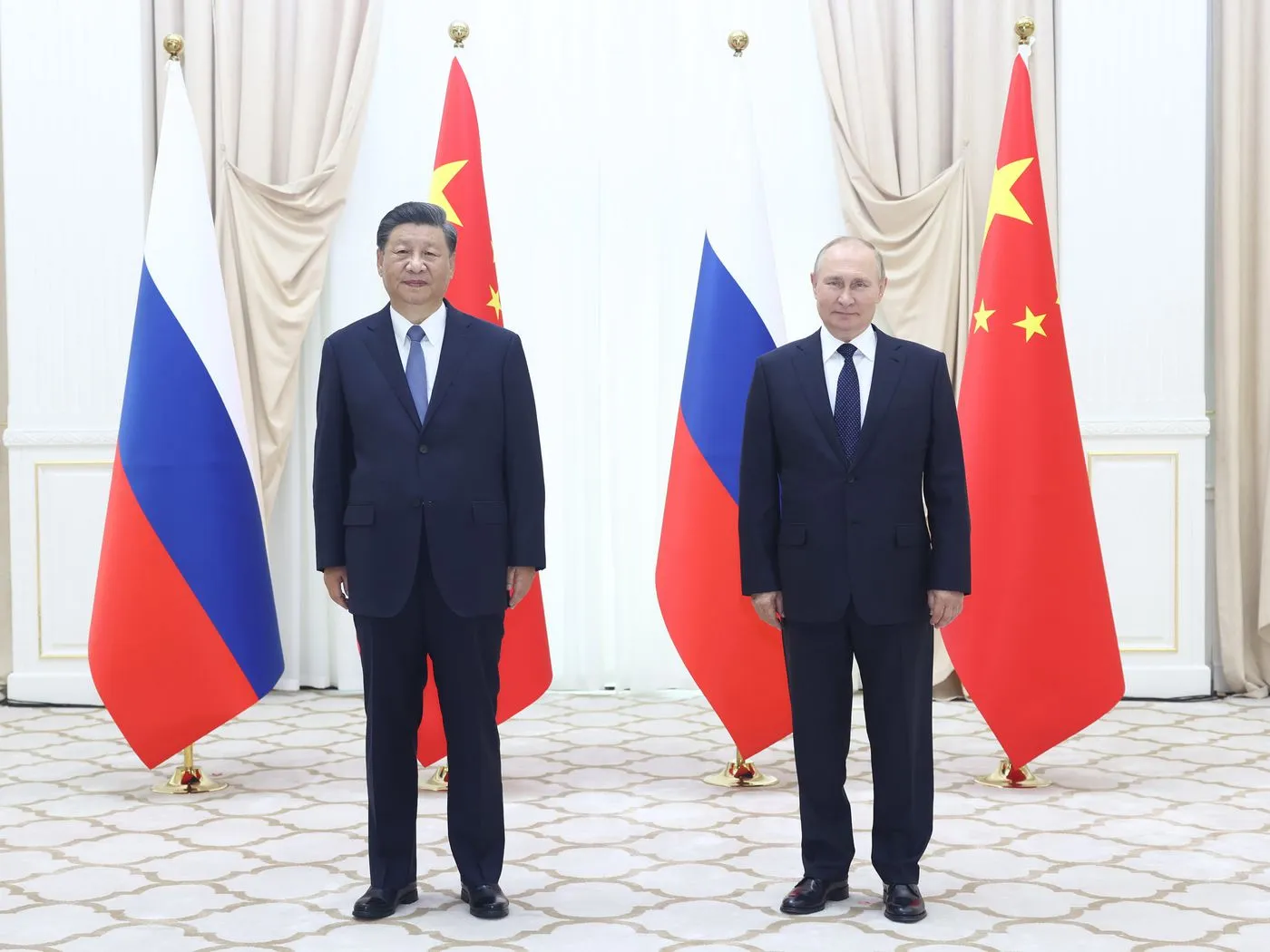
During an important state visit to China, Russian President Vladimir Putin held in-depth talks with Chinese President Xi Jinping.
Their meeting reinforced a united stance against what they perceive as Western dominance, signaling a strong partnership intent on reshaping the global landscape.
These discussions not only strengthened their trade relationships but also their strategic cooperation, positioning them as a formidable challenge to U.S. influence.
This collaboration underscores the shifting alliances and strategies at play in global politics.
Amidst this backdrop, the Russia-Ukraine conflict introduces further strains. China’s support of Russia with dual-use technologies has drawn sharp criticism from Washington.
This has cast China not merely as a competitor but as a co-conspirator in the eyes of many Western policymakers.
This involvement has triggered severe repercussions, deepening U.S.-China tensions to new lows.
The U.S. response has been to rally its NATO allies, urging them to pressure Beijing to withdraw its support for Moscow.
Despite high-level talks between Chinese leaders and European figures like France’s Emmanuel Macron and Germany’s Olaf Scholz, efforts to limit dual-use exports to Russia have seen limited success.
Reshaping Global Power Dynamics
This growing rift isn’t just another geopolitical squabble; it’s a fundamental clash over the future of international order, where reconciliation seems increasingly out of reach.
The personal rapport between Putin and Xi, contrasting sharply with Cold War-era Sino-Soviet tensions, strengthens this alliance against Western strategies.
The stakes are high as this alliance challenges the current world order, compelling U.S. allies to tighten ranks and bolster strategic unity.
This scenario demands adept crisis management to prevent a potential escalation into a broader conflict.
In essence, the deepening partnership between China and Russia reshapes global power dynamics, setting the stage for new alliances and conflicts.
It’s a pivotal moment that not only defines the strategic contours of global politics but also tests the resilience of international diplomacy in today’s multi-polar world.
This evolving scenario highlights the critical need for a nuanced understanding of global tensions and strategic alliances.
This article was produced by The Rio Times’ automated newsroom system. How we use AI · Report an error
Read More from The Rio Times