World Economic Forum Transforms as Schwab Steps Down
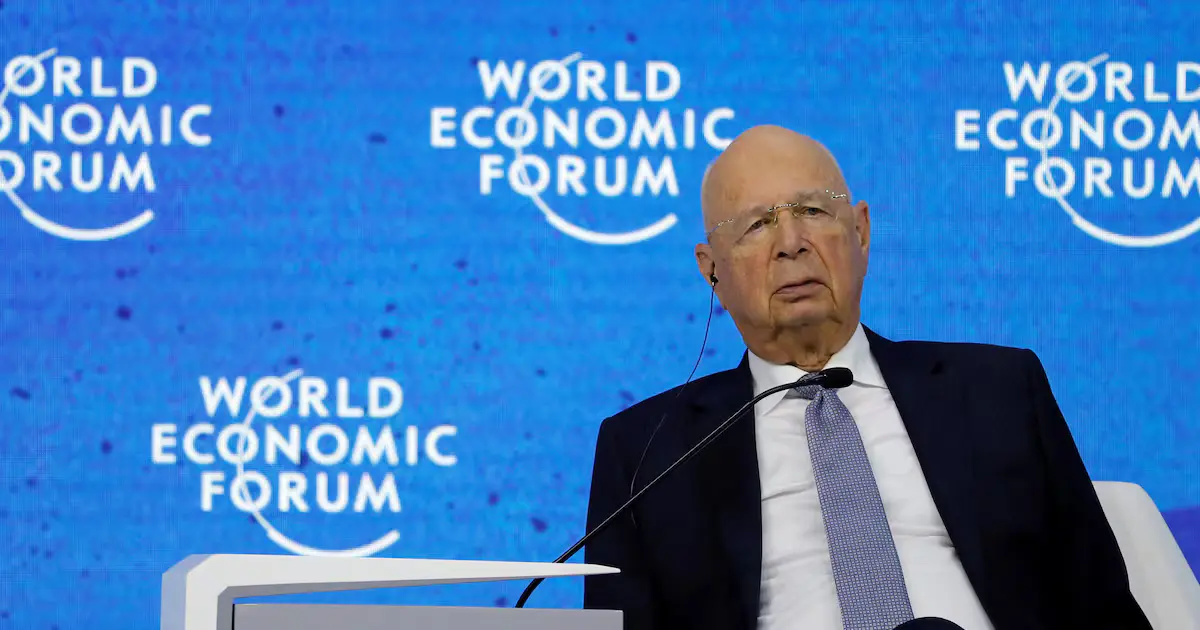
Klaus Schwab, founder of the World Economic Forum (WEF), will step down as chairman in January 2025. This change marks a pivotal shift for the organization.
Schwab founded the WEF in 1971, transforming it from a small conference into a leading global platform.
Under his guidance, the annual Davos meetings have become essential for world leaders and influencers to address global challenges.
Schwab’s tenure, however, has faced controversy. Critics argue his “stakeholder capitalism” concept overlooks broader societal issues, hinting at elitism.
The WEF’s financial dealings and Schwab’s own salary have faced scrutiny. This scrutiny contrasts with his criticisms of high executive compensation.
Additionally, his approach to the “Fourth Industrial Revolution” has been criticized for its vagueness.
Schwab’s transition to a non-executive role awaits the Swiss authorities’ approval. The search for his successor is ongoing.
Potential candidates include WEF President Børge Brende, former British Prime Minister Tony Blair, and Schwab’s daughter, Nathalie Schwab.
This leadership change comes as global complexities increase. It underscores the need for innovative and inclusive governance solutions.
Schwab, now 86, announced he would only chair the Board of Trustees after stepping down. This board will reorganize into four strategic committees to enhance the WEF’s impact.
Despite stepping down, the Schwab family will continue to exert significant influence over the WEF. Schwab’s wife, Hilde, oversees the WEF Foundation and its awards.
His son, Olivier, serves as the WEF’s managing director. His daughter, Nicole, is a member of the executive committee and co-chair of the platform for accelerating nature-based solutions.
Reassessing the World Economic Forum
Critics argue that the continued dominance of the Schwab family raises concerns about the organization’s transparency and accountability.
Some worry the new leadership may perpetuate the same controversial agendas. They suggest the world might merely exchange one form of elitist control for another.
The WEF has undeniably shaped international dialogue and policy. Yet, as Schwab steps aside, the organization faces critical reflection on its effectiveness.
This transition offers a moment to reconsider the WEF’s role and the principles it should champion moving forward.
In addition, these developments highlight the significant influence the WEF wields.
They also emphasize the need for vigilant oversight to ensure it serves broader global interests rather than narrow elite agendas.
Understanding these changes is crucial. They will likely impact global economic and political dynamics in the coming years.
This article was drafted with automated assistance and reviewed before publication. How we use AI · Report an error · Editorial responsibility: Matthias Camenzind, Editor-in-Chief