The Importance of Hospital Equipment Tracking for Operational Efficiency
(Sponsored) In today’s evolving healthcare landscape, prioritizing efficiency is essential. Hospitals constantly seek ways to improve their services, simplify workflows, and prioritize patient well-being. An effective system for tracking hospital equipment plays a vital role in enhancing efficiency and optimizing resource utilization.
Improving the Allocation of Resources
Hospitals rely on a wide range of tools and machines that help save lives and provide care. Tracking equipment effectively helps healthcare facilities maintain an accurate count of their inventory, ensuring resources are readily accessible when needed. This accuracy is crucial for minimizing downtime and avoiding delays in patient treatment.
Equipment monitoring systems are valuable in identifying underused or misplaced items, enabling organizations to better allocate resources. With the exact location of each piece of equipment known, hospitals can reduce unnecessary spending and manage costs efficiently.
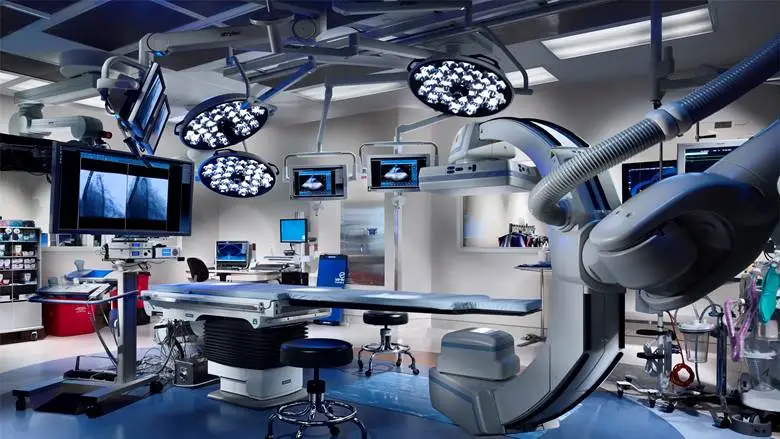
Ensuring the Safety of Patients
Patient safety is a primary concern for healthcare providers, who rely on well-maintained equipment to meet this goal. Hospital asset tracking systems help ensure maintenance and timely servicing to minimize the risk of malfunctions.
Hospitals can prevent equipment breakdowns by monitoring service histories and maintenance schedules. Adhering to safety standards not only safeguards patients but also protects healthcare workers.
Enhancing Work Efficiency
Efficient operations are crucial for hospitals to run smoothly and effectively. Equipment monitoring improves workflow by ensuring that medical instruments are readily accessible and correctly positioned at all times.
Real-time updates regarding equipment status and availability empowers healthcare professionals to organize and carry out procedures more efficiently. This boost in efficiency leads to better patient outcomes and helps alleviate pressure on healthcare personnel.
Minimizing Expenses and Mitigating Losses
Hospital budgets often encounter limitations, necessitating the need to prioritize operations. Equipment loss or theft can severely impact resources. Implementing a tracking system mitigates these risks by providing insight into the utilization and whereabouts of equipment.
The likelihood of theft or misplacement decreases when staff can easily locate and manage assets. Furthermore, tracking systems help hospitals identify redundant equipment, allowing them to make informed decisions about resource allocation or procurement.
Ensuring Adherence to Regulations and Conducting Audits
Healthcare institutions must follow guidelines and standards to ensure compliance with regulations. Keeping track of equipment plays a key role in maintaining compliance by recording inventory levels and monitoring usage and maintenance activities.
Having accurate records is essential for audits and inspections to verify that hospitals are meeting industry standards. Additionally, tracking systems generate reports that offer insights into equipment utilization and performance, helping organizations identify areas for improvement.
Improving Communication and Collaboration
Efficient communication and collaboration among hospital departments are essential for ensuring seamless operations in healthcare facilities. Systems that monitor equipment enhance communication by providing updates about the status and availability of tools.
By accessing this data, departments can work together more effectively, saving time previously spent searching for essential equipment. This enables healthcare workers to focus more on patient care.
Enhancing Readiness for Emergencies
In emergency situations, having access to medical tools quickly can make a life-saving difference. Equipment tracking is critical for hospitals to remain prepared for emergencies and respond promptly.
Knowing the precise location of vital tools enables healthcare facilities to deploy resources quickly when needed. This state of readiness is crucial for handling crises and minimizing interruptions in inpatient treatment.
Crafting Solutions
Today’s technological advancements offer innovative ways to track equipment in hospitals. Tools like Radio Frequency Identification (RFID), barcoding systems, and GPS technology are transforming asset management in healthcare settings.
These tracking capabilities reduce errors and enhance operational efficiency. These solutions help healthcare institutions proactively address the evolving needs of the industry and maintain a competitive edge.
Final Thoughts
In summary, hospital equipment monitoring plays a critical role in improving operational effectiveness by enhancing resource allocation, patient care, and workflow efficiency while reducing costs and ensuring regulatory compliance.
Tracking systems are essential in today’s healthcare landscape. As technology continues to advance, hospitals must adopt these tools to stay competitive and deliver top-notch care. Efficient equipment tracking not only simplifies operations but also significantly influences the overall success of healthcare institutions.
This article was produced by The Rio Times’ automated newsroom system. How we use AI · Report an error
Read More from The Rio Times