(Opinion) Justice Minister Flávio Dino believes that a unified story is essential for Brazil’s well-being and national unity.
Yet, this view sparks a robust debate and concern. Critics say it could violate constitutional rights, like forming your own opinions.
First, let’s look at social media.
Dino sees it as a big roadblock to unity. He says open online debates keep the country divided.
The minister has clear goals but hasn’t outlined how to reach them. Will a presidential order make it happen, or maybe a ministry directive?
We don’t know yet.
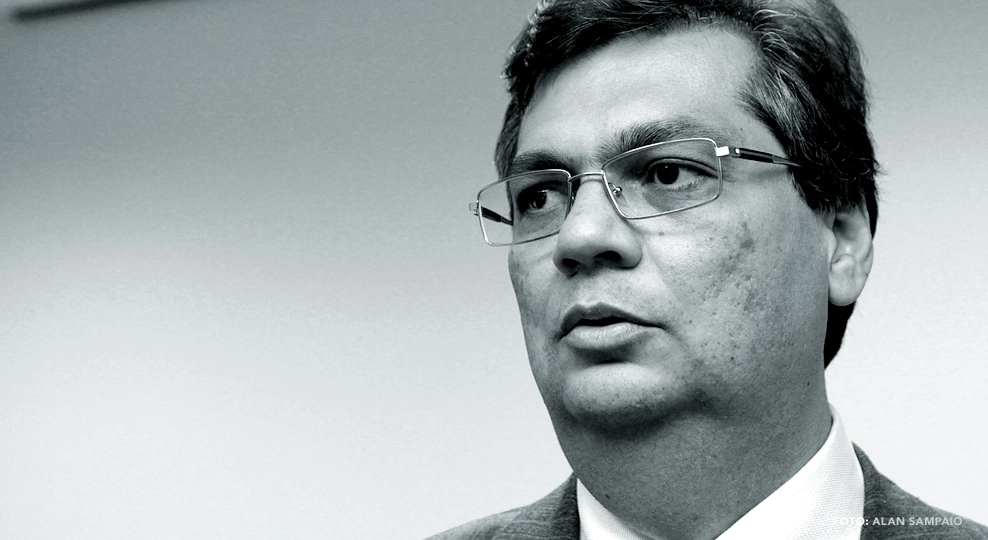
Dino wants to stop what he opines is hate speech and fake news on social platforms. He thinks a single national story can help.
Critics disagree.
They say letting people speak freely is the best way to combat lies. Limiting voices to push one government-approved narrative sounds alarm bells for Brazil’s fragile democracy.
There is no doubt that Brazil is at a pivotal point. Political divisions run deep, and national identity is at stake.
Free speech is a cornerstone of Brazilian democracy. It’s protected by law. The rise of digital platforms gives voice to ordinary Brazilians.
Shape Public Opinion – The Illusion of Brazil’s Forced Unity Narrative
This is both an opportunity and a challenge for leaders. Previous governments have also faced this issue.
They’ve seen the power of social media to shape public views. Dino’s proposal isn’t entirely new.
Still, it brings up old debates. Should the government shape public opinion? The answer will have a big impact on Brazil’s future.
It will test Brazil’s commitment to democratic principles.
So, what’s the takeaway? Dino’s idea might seem like a quick fix. But the risk to democratic values is too high.
Before embracing such a move, Brazil needs to think long and hard. It must weigh the cost of unity against the price of lost freedoms.
This article was produced by The Rio Times’ automated newsroom system. How we use AI · Report an error
Read More from The Rio Times