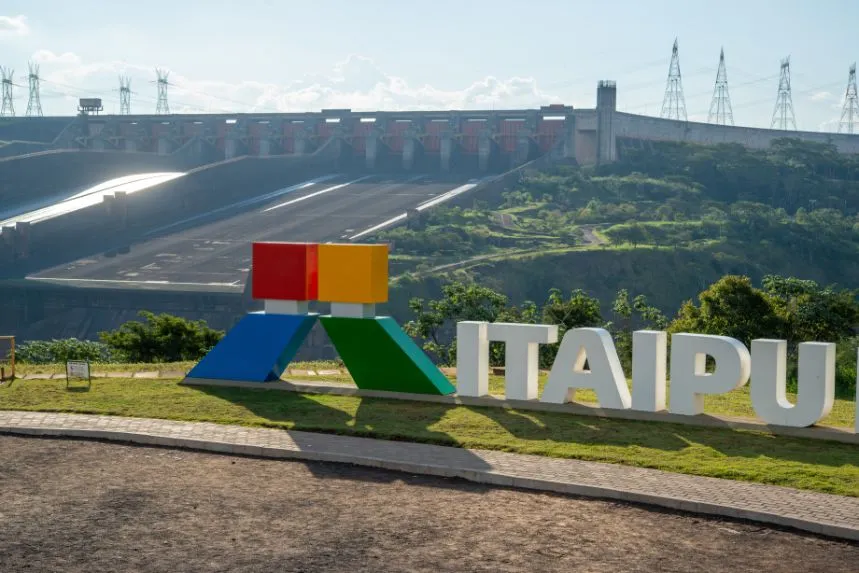
(Opinion) Brazil, at a pivotal moment in its energy strategy, sees the Itaipú Dam, a joint venture with Paraguay, consistently breaking electricity production records.
While this achievement sounds promising, it has its own set of complications. Previous Brazilian leadership has engaged in secret deals that led to political turmoil in Paraguay.
These questionable actions tarnish the legacy of an otherwise successful energy project.
For half a century, the Itaipú Treaty has been a cornerstone in providing cost-effective electricity to Brazilian households.
But things could soon take a turn for the worse. The new President of Paraguay is proposing a significant hike in hydroelectric service charges.
The ripple effects of this could be harsh, especially for impoverished communities in Brazil, where people often tap electricity illegally.
The looming changes demand immediate attention.
Clean as it may be, hydroelectric power isn’t Brazil’s only energy source, and other options paint a grim picture.
A recent analysis showed a worrisome increase in the use of thermoelectric plants, known for their heavy pollution.
Such trends contradict Brazil’s pledges to reduce carbon emissions and adopt cleaner energy.
Furthermore, the inconsistency in power supply puts a question mark on the capability of the Brazilian power grid to meet national needs reliably.
Alternative sources like solar and wind energy are gaining traction, but not for the most pressing reasons.
Political Motives
It seems that political motives, rather than actual energy requirements, are guiding these investments.
This skewed focus could backfire, leading to inefficient systems and wasted resources.
Therefore, a rethinking is in order. Brazil must prioritize a balanced, unbiased approach to its energy policies.
This includes taking into consideration both environmental sustainability and social equality. Political agendas must take a backseat to genuine need and scientific guidance.
By depoliticizing its approach to renewable energy, Brazil can take meaningful strides toward a sustainable and equitable future.
This isn’t just about meeting power demands; it’s about creating a framework that benefits all citizens and protects the planet.
Now is the time to divert our focus from political maneuvering to real solutions, charting a path for a more sustainable, equitable Brazil.
This article was drafted with automated assistance and reviewed before publication. How we use AI · Report an error
Read More from The Rio Times