Key Facts
- Formula 1. Lando Norris of McLaren took pole at the São Paulo Grand Prix on 7 November, 0.204 seconds clear.
- Race day. The race starts today, Sunday 8 November, at 12:00 p.m. ET (2:00 p.m. in Brazil).
- Interest rate. Brazil’s central bank held its key interest rate, the Selic, at 13.75% on 4 November.
- Rate proposal. An economist wants the Selic cut to about 7.5% within a year.
- Lithium fine. A fine of R$500,000 (US$91,000) a day hangs over the Brazilian mine of Sigma Lithium, a lithium miner.
- Power Index. Brazil ranks 1st of 14 in The Rio Times Latin America Power Index, with 74.2 points (November 2026 edition).
Rain forced two red flags at São Paulo Grand Prix qualifying on 7 November, while Brazil’s interest-rate pause and a lithium court fine kept investors alert.
In Plain English
- Selic: Brazil’s benchmark interest rate, set by the central bank.
- Copom: The central bank committee that sets the Selic.
- Red flag: A signal that stops a Formula 1 session at once.
How Rain Reshaped the São Paulo Grand Prix Grid
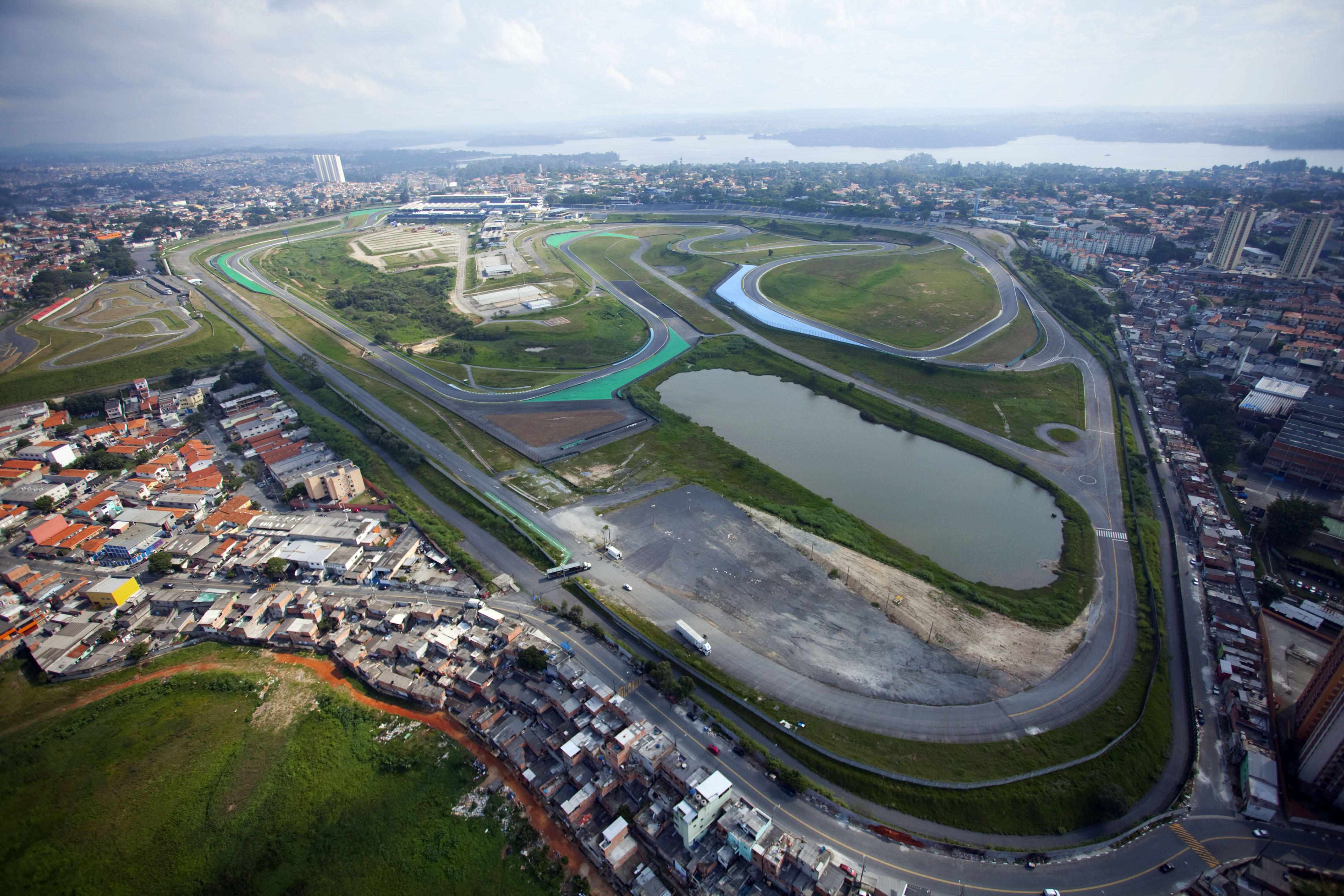
Rain hit qualifying for the São Paulo Grand Prix on Saturday 7 November, and Lando Norris of McLaren still took pole position. The session at Interlagos, the São Paulo racetrack, was stopped twice by red flags, the signal that halts a session at once.
The first red flag came less than three minutes into the session as rain intensified. After a delay, all 22 drivers ran on full wet tyres.
A second red flag stopped the second part of qualifying near its end, after Rafael Câmara of Haas hit a barrier. Norris then set 1:27.470, 0.204 seconds ahead of George Russell of Mercedes, according to Formula 1’s official timing.
Kimi Antonelli of Mercedes took third. Grid penalties, which push drivers back from where they qualified, will reshuffle the order: Russell has a five-place penalty and Ferrari’s Charles Leclerc a ten-place penalty.
Lewis Hamilton and Max Verstappen have penalties for engine changes and will start from the back of the grid. The race starts on Sunday 8 November at 2:00 p.m. in São Paulo, which is 12:00 p.m. ET.
Why Brazil’s Central Bank Held Rates at 13.75%
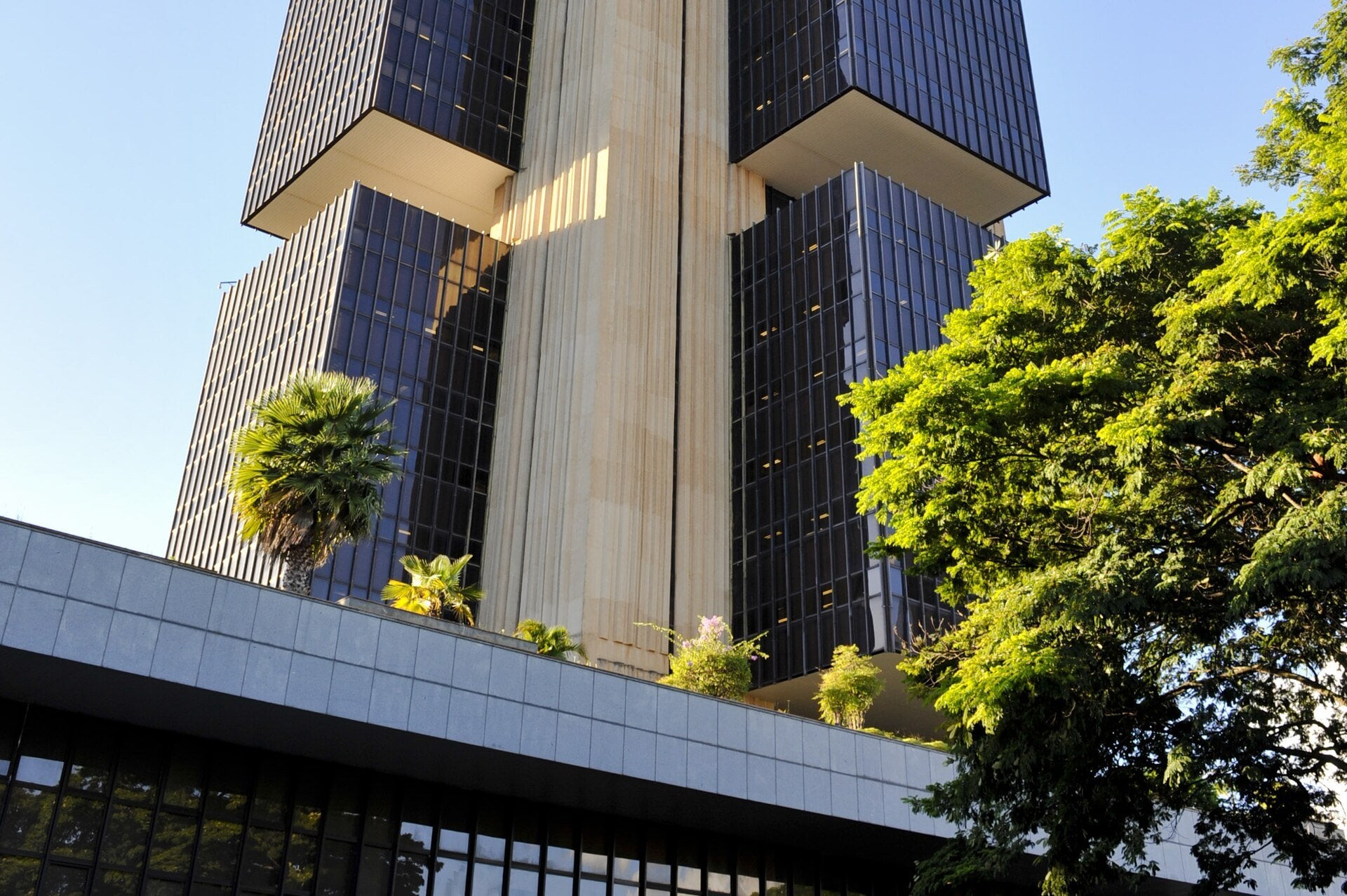
Brazil’s central bank held its benchmark Selic rate at 13.75% on Wednesday 4 November. The rate-setting committee, known as Copom, had cut by a quarter point at each of its previous five meetings since March.
Into that debate came an idea from André Lara Resende, an economist who helped design the 1994 Real Plan, which ended hyperinflation. He proposes cutting the Selic gradually to about 7.5% within 12 months.
Finance Minister Dario Durigan said on 3 November that the government is not studying a cap on the Selic. Some economists have criticised the plan.
The central bank’s own data put the interest bill on public debt at R$1.205 trillion (US$219 billion) over 12 months, or 8.99% of GDP. We convert at 5.50 reais per dollar (market data provider RT, 8 November).
What Court Fines Mean for Sigma Lithium in Minas Gerais
Sigma Lithium, a lithium miner, faces a daily court fine over night noise and road access at its Grota do Cirilo mine in Minas Gerais, a Brazilian state. State prosecutors are suing its Brazilian unit, Sigma Mineração, over effects on communities in the Jequitinhonha Valley, a lithium-mining region.
The Minas Gerais state appeals court found Sigma in breach of two court orders and applied a fine of R$500,000 (US$91,000) a day, capped at R$200 million (US$36 million), counted from 11 June. On Monday 28 September a judge in Araçuaí found the company had not complied and rejected its proposed access road for four isolated families.
State prosecutors say the amount owed exceeds R$80 million (US$14.5 million). We found no official total.
A separate case adds pressure: on 4 September a federal judge suspended the mine’s environmental licences and mining activities, in a suit brought by a state federation of quilombola (Afro-Brazilian) communities. On 1 October the federal appeals court released three licences and kept only the expansion licence suspended, and Sigma resumed operations on 6 October.
The reports behind this Big Read
What It Means for US Readers
Brazil’s rate path affects the dollar value of Brazilian bonds and the real, which matters to US investors holding Brazilian assets. Court fines add legal risk for foreign-listed miners working in Brazil’s lithium belt.
What to Watch Next
The central bank publishes the minutes of its 4 November meeting on Tuesday 10 November, which will show how it weighed the pause.
What Is Not Known
The central bank’s own statement could not be read directly, so the unanimous vote rests on press reports. Reports give different start dates for the Sigma fines, and we found no official total.
Sources
FIA, São Paulo qualifying report · Banco Central do Brasil, Copom · Ministério Público de Minas Gerais
This article was produced by The Rio Times’ automated AI newsroom. Editorial responsibility: Matthias Camenzind, Publisher and Editor-in-Chief. How we use AI · Report an error
Brazil runoff, Sunday, October 25: Brazil runoff: date, poll closing times and when results start. Latest: Brazil runoff polls, Flávio 51%, Lula 49%.
Frequently Asked Questions
What did Brazil’s central bank decide on 4 November?
The central bank’s rate committee, Copom, held the Selic at 13.75%, after five quarter-point cuts since March. The vote was reported as unanimous.
Who won pole position at the São Paulo Grand Prix?
Lando Norris of McLaren took pole on Saturday 7 November, 0.204 seconds ahead of George Russell, after rain stopped qualifying twice.
How much is Sigma Lithium being fined?
A court set a fine of R$500,000 (US$91,000) a day, capped at R$200 million (US$36 million). Prosecutors say more than R$80 million (US$14.5 million) is owed.