
Key Facts
—Retail deals. Retail unions and employers in São Paulo and Porto Alegre reached deals ending the six-day week in December.
—Legal week. Brazil’s legal work week falls from 44 to 42 hours on 16 December 2026.
—Court. On 12 November Supreme Court Justice Flávio Dino kept the 16 December start and eased rest-day rules.
—Petrobras. Petrobras recorded a R$3.6 billion (US$640 million) obligation to buyers of its TAG gas pipelines.
—Power Index. Brazil ranks 1st of 14 in The Rio Times Latin America Power Index, with 74.2 points (November 2026 edition).
Retail unions and employers in São Paulo and Porto Alegre have reached deals to end the six-day week in December, and Petrobras recorded a US$640 million obligation to pipeline buyers.
In Plain English
- 6×1: A work schedule of six days on and one day off, which the new deals replace with 5×2.
- ANP: The regulator that sets gas pipeline tariffs and the value of pipeline assets still to be recovered.
- TAG: Transportadora Associada de Gás, which runs about 4,500 km of gas pipelines in Brazil’s North and Northeast.
How Brazil’s Retailers Are Ending the 6×1 Schedule
Retail unions and employers in São Paulo and Porto Alegre have reached deals to replace the 6×1 schedule, six days worked and one off, with 5×2 and other formats, according to Diário do Centro do Mundo, a Brazilian news site, on 11 November. It reported that the Porto Alegre deal covers about 100,000 workers and the São Paulo addendum between 150,000 and 200,000.
In São Paulo, an addendum to the collective agreement moves categories such as supermarkets, wholesale and footwear to the new schedule from 16 December, the same day the legal week falls to 42 hours. In Porto Alegre, Jornal do Comércio, a local business daily, reported on 9 November an agreement to end 6×1.
Employers keep some room for the Christmas peak. In the Christmas and New Year week, Diário do Centro do Mundo reported, Porto Alegre stores may keep one weekly day off, as long as workers receive eight days off over the month.
The deals follow Constitutional Amendment 141, a change to Brazil’s constitution on working hours, which Congress promulgated on 16 October 2026. It cuts the legal week from 44 to 42 hours on 16 December and to 40 hours in December 2027.
The Supreme Court held a conciliation hearing on the amendment on Tuesday 10 November. On Thursday 12 November Justice Flávio Dino, who is handling the case, issued an injunction keeping the end of 6×1 on 16 December while easing compensation rules. Rest days no longer need to be taken within the same week or month, and the full Supreme Court has yet to confirm the ruling.
Why Petrobras May Owe Pipeline Buyers US$640 Million
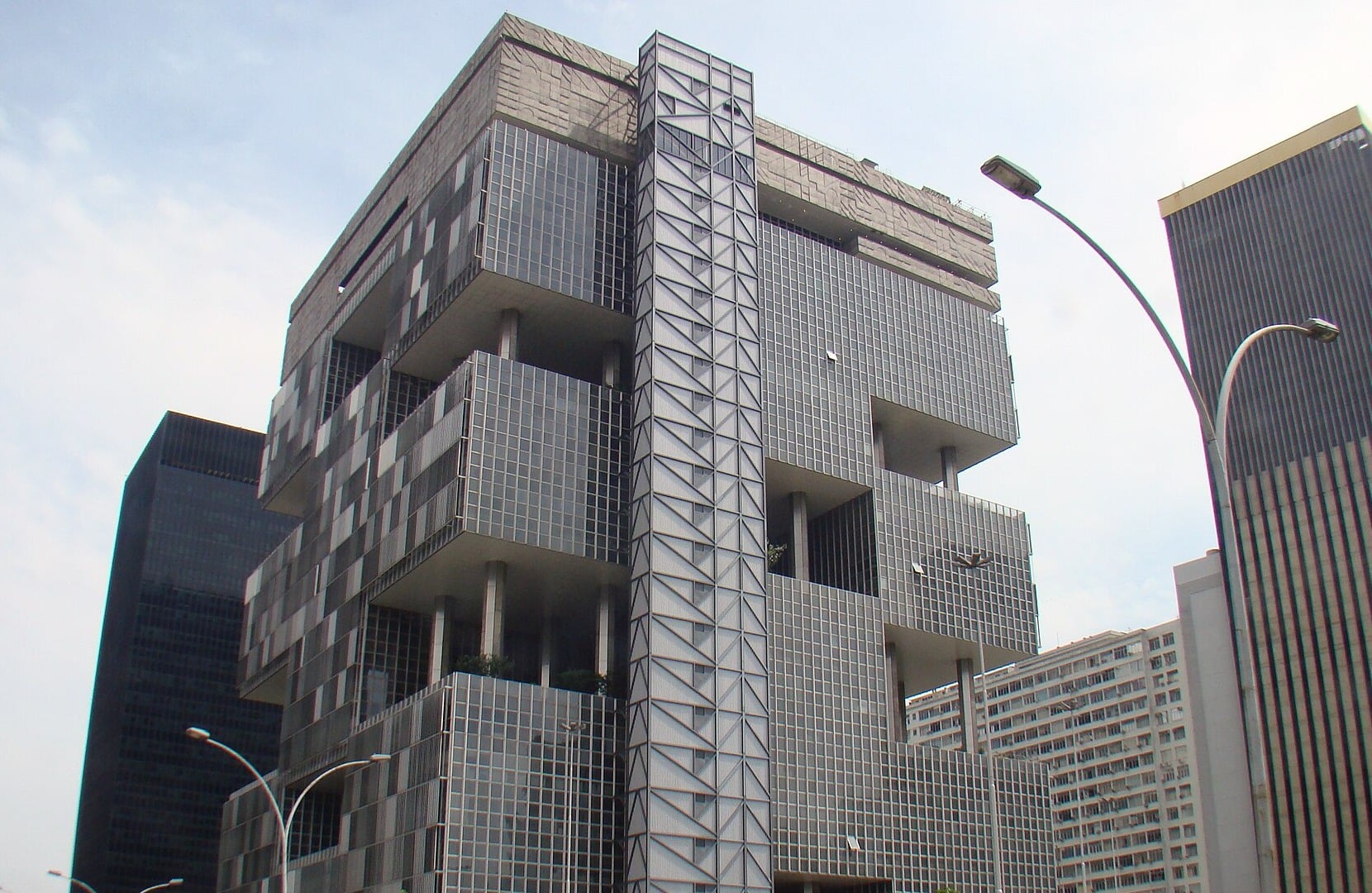
Petrobras, the Brazilian oil company, recorded an obligation of about R$3.6 billion (US$640 million) in its third-quarter accounts, tied to the 2019 sale of its TAG gas pipelines. The amount depends on how the regulator ANP values the pipeline assets, and no payment is confirmed.
The obligation stems from a clause in the 2019 sale contract. It links payments to the regulatory asset base, the value of pipeline assets not yet paid off through tariffs, which ANP sets.
In 2019 Petrobras received R$33.5 billion (about US$5.9 billion at today’s rate) for 90% of TAG, which runs about 4,500 km of gas pipelines in the North and Northeast. The buyers were Engie, a French utility, and CDPQ, a Quebec pension fund now called La Caisse.
In October 2026 ANP’s tariff review put the opening asset base of the northeastern network at zero, against the R$5.7 billion (US$1.0 billion) TAG requested. ANP’s method gave a negative R$128 million (US$23 million).
The R$3.6 billion is roughly 9% of Petrobras’s third-quarter net income of nearly R$40 billion (about US$7 billion), and it is an estimated obligation, not a cash payment. Figures converted at R$5.64 per US$ on 13 November 2026.
What Links These Stories
The two stories show Brazilian rules and regulators setting new terms for employers and companies. Congress shortened the working week, and a regulatory valuation could trigger a price-adjustment clause from a 2019 asset sale.
Workers covered by the deals gain more rest days, while employers must cover more shifts. Petrobras has recorded an obligation of R$3.6 billion (US$640 million).
The reports behind this Big Read
What It Means for US Readers
Investors in Brazilian supermarket and retail chains should watch staffing costs, though no report puts a number on the effect on margins.
Anyone exposed to Petrobras should note that a R$3.6 billion (US$640 million) obligation is about 9% of quarterly net income, though no payment is confirmed.
What to Watch Next
The legal week falls to 42 hours on 16 December, and the São Paulo addendum starts the same day.
The full Supreme Court is expected to review Dino’s injunction, though no session date is confirmed.
What Is Not Known
It is unconfirmed whether and when the full Supreme Court will take up Dino’s ruling, and whether the sale of NTS (Nova Transportadora do Sudeste, a gas pipeline operator in the Southeast) carries a clause like TAG’s. It is also unclear how much Petrobras will finally pay.
Reports differ on how many workers the deals cover and on which categories and dates apply in each city.
Sources
Diário do Centro do Mundo · Jornal do Comércio · DGABC · AEPET
This article was produced by The Rio Times’ automated AI newsroom. Editorial responsibility: Matthias Camenzind, Publisher and Editor-in-Chief. The Rio Times also runs Ask Rio Times, which answers from 100,000+ of our own articles, the daily Latin America Power Map, and prediction-market odds on elections and markets.. How we use AI · Report an error
Brazil runoff, Sunday, October 25: Brazil runoff date. Latest: Brazil runoff polls, Flávio 51%, Lula 49%.
Frequently Asked Questions
When does the six-day retail week end in Brazil?
São Paulo’s new rules and the 42-hour legal week start on 16 December 2026. Justice Dino’s 12 November injunction kept that date.
Does Petrobras owe US$640 million?
Petrobras recorded a R$3.6 billion (US$640 million) obligation to the buyers of TAG in its third-quarter accounts. How much it finally pays depends on ANP’s valuation, and no payment is confirmed.