
St Kitts and Nevis: Citizenship by Investment
St Kitts and Nevis will end its citizenship by investment (CBI) programme, Prime Minister Terrance Drew announced on Friday 13 November 2026. CBI is a scheme under which foreigners receive a passport in return for a payment or investment.
Drew, who leads the two-island Caribbean federation, said in a national address that the move responds to a European Union (EU) law that can cost the federation visa-free travel to Europe. He said the programme will be phased out responsibly, over a transition period now being negotiated with the European Union.
Drew described a scheme launched in 1984, now 42 years old, and said he has formally conveyed this position to the EU. Our explainer on Caribbean citizenship by investment covers the wider regional picture.
Key Facts
- Decision. Drew said on 13 November the CBI programme, launched in 1984, will be wound down.
- Timeline. The length of the transition and the final application date are not yet announced.
- Revenue. EC$6.5 billion (Eastern Caribbean dollars; about US$2.4 billion) in 2008 to 2025, half of federal cash.
- Pressure. An EU law in force since 30 December 2025 can suspend visa-free travel to the Schengen area (Europe’s border-free travel zone) over such programmes.
- Citizens. Nothing changes for anyone who lawfully holds citizenship, Drew said.
The Caribbean federation says it will close its passport-for-investment scheme, launched in 1984, to keep visa-free access to Europe. It has not said how long the wind-down will take.
What Drew Announced
Drew said in his address on Friday 13 November 2026 that the final application date will be set once it is agreed with the EU. Until then, he said, the programme continues under strict standards.
“There will be no rush, no discounts, and no fire sale,” Drew said. He said staff of the CBI Unit, the government office that runs the programme, will be redeployed to a new drive for foreign direct investment.
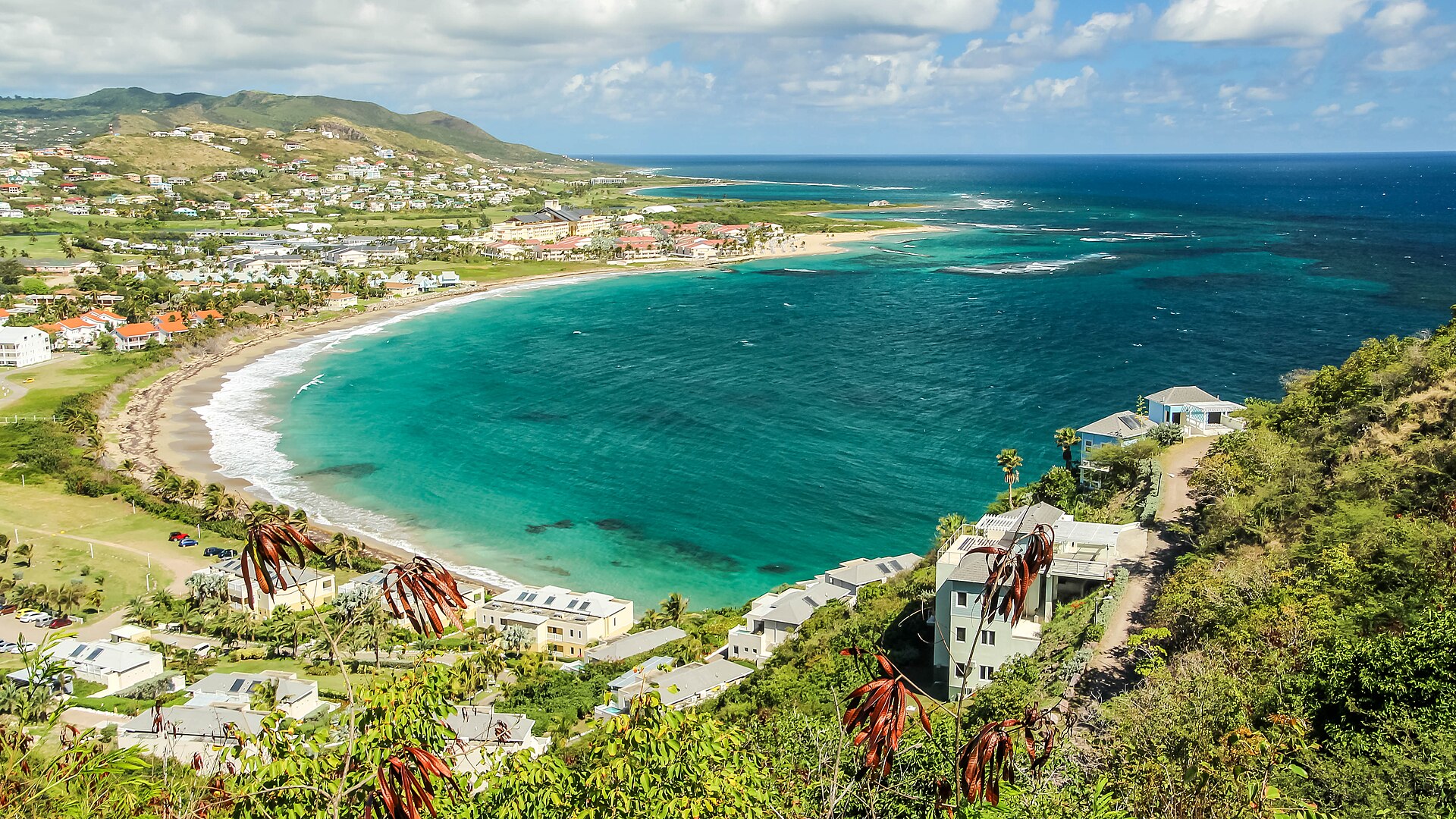
“Nothing changes tonight for any person who lawfully holds our citizenship,” Drew said. St Kitts and Nevis is a federation of two islands, and our guide to Saint Kitts and Nevis sets out the basics.
Why the EU Is Involved
An EU law in force since 30 December 2025, the revised visa suspension mechanism (the EU’s rule for withdrawing visa-free travel), makes running such a programme grounds for suspending visa-free travel to the Schengen area, Drew said. Schengen is Europe’s border-free travel zone.
In June 2026 the European Commission, the EU’s executive body, invited the federation to wind down over a transition period that preserves visa-free access, Drew said. The timeline is now being negotiated, Drew said.
A letter of 25 June 2026 from EU Commissioner for Internal Affairs and Migration Magnus Brunner asked Antigua and Barbuda (a neighbouring Caribbean island state) to end its programme by 1 June 2028, with a 24-month transition, the Antigua and Barbuda government said when it made the letter public in July. Four other Eastern Caribbean states received similar communications, Antigua said.
Who Gains and Who Loses
The federal budget stands to lose most: Drew said the programme brought in about EC$6.5 billion (about US$2.4 billion at the fixed peg of EC$2.70 per US$1) from 2008 to 2025. That was around half of all cash the federal government collected in those years, he said.
We found no costed plan to replace the lost revenue. Drew said CBI Unit staff will lead a new drive for foreign direct investment.
Applicants in the pipeline, agents and project developers are also exposed, while existing citizens are not. Readers weighing a move can check our guide to moving to Saint Kitts and Nevis: visas, costs, steps.
Dissent
Nevis Premier Mark Brantley, head of government of the smaller island in the federation, said in July 2026 that the EU is “hell-bent on closing down these programs”. He said he believes the EU has given the islands only a two-year window, and his is the only account of that view we have.
What to Watch
The first checkpoint is the final application date, which Drew said will be set once agreed with the EU; the date is not confirmed. The second is the EU’s next visa suspension mechanism report, which the government of Antigua and Barbuda said is due in December 2026, a date not confirmed at the Commission.
What Is Not Known
The length of the transition and the last application date have not been announced. How pending applications are treated is also unclear.
We could not read the full transcript of the address, so Drew’s statements above rest on reports of it. We found no EU reaction and no formal response from the opposition to the address itself.
Frequently Asked Questions
Is St Kitts and Nevis ending its citizenship by investment programme?
Yes, Prime Minister Terrance Drew announced on Friday 13 November 2026 that the programme will be wound down. The length of the transition and the final application date have not been announced.
What happens to existing citizens?
“Nothing changes tonight for any person who lawfully holds our citizenship,” Drew said. That statement comes from his national address of Friday 13 November 2026.
Why is the EU involved?
Drew said an EU law in force since 30 December 2025 makes operating such a programme grounds for suspending visa-free travel to the Schengen area. The European Commission invited the federation in June 2026 to wind down over a transition period.
Sources
Reports of Prime Minister Terrance Drew’s national address (13 November 2026); Government of Antigua and Barbuda release on the European Commission letter of 25 June 2026; Regulation (EU) 2025/2441 (Official Journal, December 2025); The Rio Times.
This article was produced by The Rio Times’ automated AI newsroom. Editorial responsibility: Matthias Camenzind, Publisher and Editor-in-Chief. The Rio Times also runs Ask Rio Times, which answers from 100,000+ of our own articles, the daily Latin America Power Map, and prediction-market odds on elections and markets.. How we use AI · Report an error