Spain’s Political Crisis: Corruption Scandals and Fragile Alliances Shake Madrid
Official government records and parliamentary documents confirm that Pedro Sánchez, Spain’s Prime Minister, faces a crisis rooted in corruption allegations against close associates.
These scandals have weakened his coalition government and raised questions about Spain’s political and economic stability. Sánchez took office in June 2018 after a parliamentary vote of no confidence ousted Mariano Rajoy.
This vote followed a major corruption scandal involving Rajoy’s party, the Partido Popular. Sánchez, leader of the Spanish Socialist Workers’ Party (PSOE), promised to restore trust in government and pushed progressive reforms.
He built his majority by forming alliances with other left-wing parties and regional groups, including Catalan and Basque nationalists.
Recent investigations by Spain’s judiciary and anti-corruption agencies have named several PSOE figures, such as José Luis Ábalos and Santos Cerdán, in connection with alleged irregularities in public contracts.
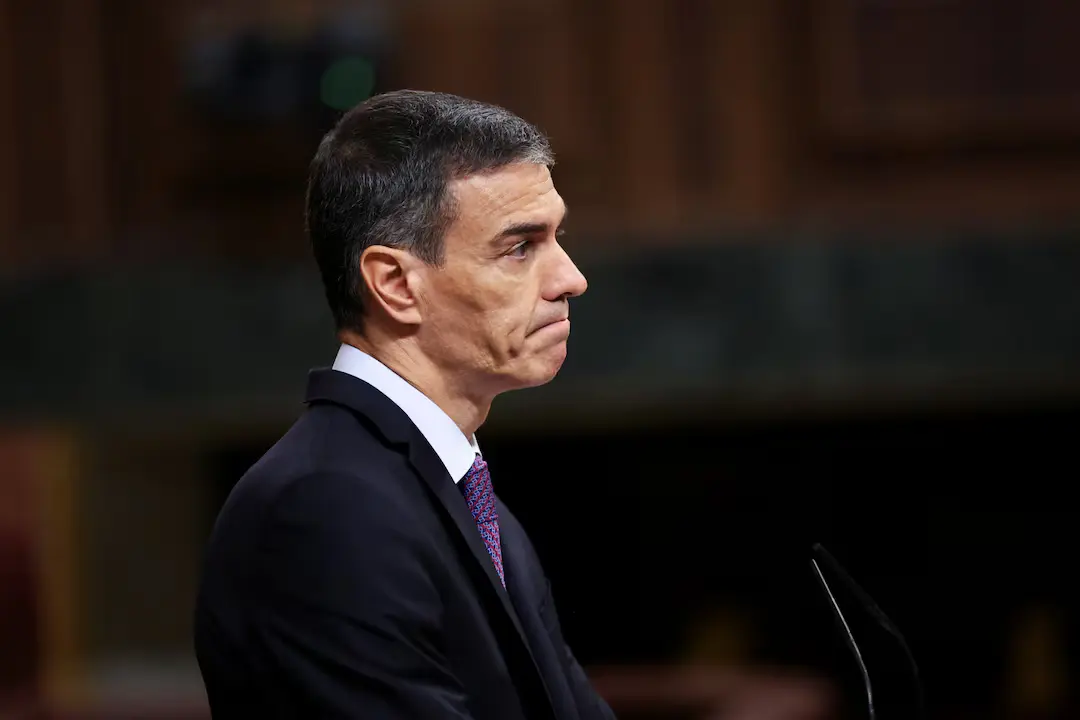
These probes have led to resignations and have shaken public confidence. Sánchez has denied personal involvement and introduced new anti-corruption measures, but the damage to his government’s credibility remains.
Spain’s Fragile Coalition Faces Backlash Over Amnesty Law
The coalition’s stability depends on support from separatist parties. In 2023, Sánchez secured a narrow parliamentary majority by agreeing to an amnesty law for individuals involved in the 2017 Catalan independence movement.
Official parliamentary records show that this law passed by a slim margin. Critics argue that this move undermines the rule of law and rewards those who challenged Spain’s constitutional order.
Supporters claim it was necessary to maintain political stability and avoid new elections. Economic data from Spain’s Ministry of Finance shows that the government has struggled to pass a national budget.
The lack of legislative support has stalled key reforms and created uncertainty for investors and businesses. Spain’s business community has expressed concern about policy unpredictability and the impact of political instability on economic growth.
On defense, Spain remains below NATO’s 2% of GDP spending target. Official NATO reports confirm that Spain has resisted calls to increase military spending, citing the need to protect social programs.
This position has caused friction with allies, especially the United States, and has raised questions about Spain’s commitment to collective defense. The current crisis matters for several reasons.
Political instability threatens Spain’s ability to pass reforms and attract investment. The amnesty law for Catalan separatists could set a precedent for future regional disputes.
Continued corruption scandals erode trust in public institutions and complicate Spain’s international relationships. Spain’s situation demonstrates how corruption, coalition politics, and regional tensions can undermine a major European economy.
The country’s future depends on restoring public trust, achieving legislative stability, and balancing domestic priorities with international obligations.
This article was produced by The Rio Times’ automated newsroom system. How we use AI · Report an error
Read More from The Rio Times