
SOUTH SUDAN · ANALYSIS
Key Facts
- —What is happening South Sudan is legally scheduled to hold its first national election on 22 December 2026.
- —Why it matters A rushed or disputed vote could reignite conflict, disrupt oil exports through Sudan, and trigger new refugee flows toward Uganda, Kenya and Ethiopia.
- —Who is who President Salva Kiir Mayardit leads the caretaker government; Gabriel Bol Deng chairs the National Elections Commission after replacing Prof. Abednego Akok Kacuol on 15 September 2026.
- —What to watch Whether voter registration begins outside Juba, whether unified security forces deploy to polling sites, and whether the African Union endorses, conditions or rejects the process before 22 December 2026.
- —What it means for you US investors and aid planners should treat the December vote as a political risk event that could affect oil revenue, sanctions policy and regional stability even if the election itself proceeds.
The South Sudan election 2026 is legally set for 22 December, but the country had no voter register and had not begun registration as of October 2026. For US readers, the vote is less about democracy than about whether a rushed process triggers renewed conflict, disrupts oil exports through Sudan, and deepens a humanitarian crisis that Washington helps fund.
South Sudan, the world’s youngest country, has never held a national election since independence from Sudan in 2011. This analysis explains what the Africa Intelligence Brief reported on 8 October 2026 and what the December vote means for investors, aid policy and regional security.
How South Sudan Reached This Deadline
The 2018 Revitalised Agreement on the Resolution of the Conflict in South Sudan, known as R-ARCSS, was designed to end a civil war between forces loyal to President Salva Kiir Mayardit and those led by opposition figure Riek Machar. The deal created a transitional power-sharing government and set a sequence: reunify rival security forces, complete constitutional reform, conduct a population census, establish an electoral framework and voter register, then hold elections.
That sequence has repeatedly slipped. South Sudan’s elections were postponed during the transition: elections initially expected in 2022 were deferred, and the transitional roadmap set elections for December 2024. The initial 36-month transitional period ended on 22 February 2023; the transitional period was then extended by 24 months, through 22 February 2025. Parliament extended the transitional period to February 2027 in September 2024, moving elections from December 2024 to December 2026.
In 2025 and 2026, parliament removed two major preconditions: a completed census and a permanent constitution. Amendments defer both tasks until after the elections, allowing polling to proceed under the amended Transitional Constitution and existing electoral laws. That change removes legal obstacles but not practical ones. The vote would take place before two central foundations of the peace agreement are in place.
The Readiness Problem in Numbers
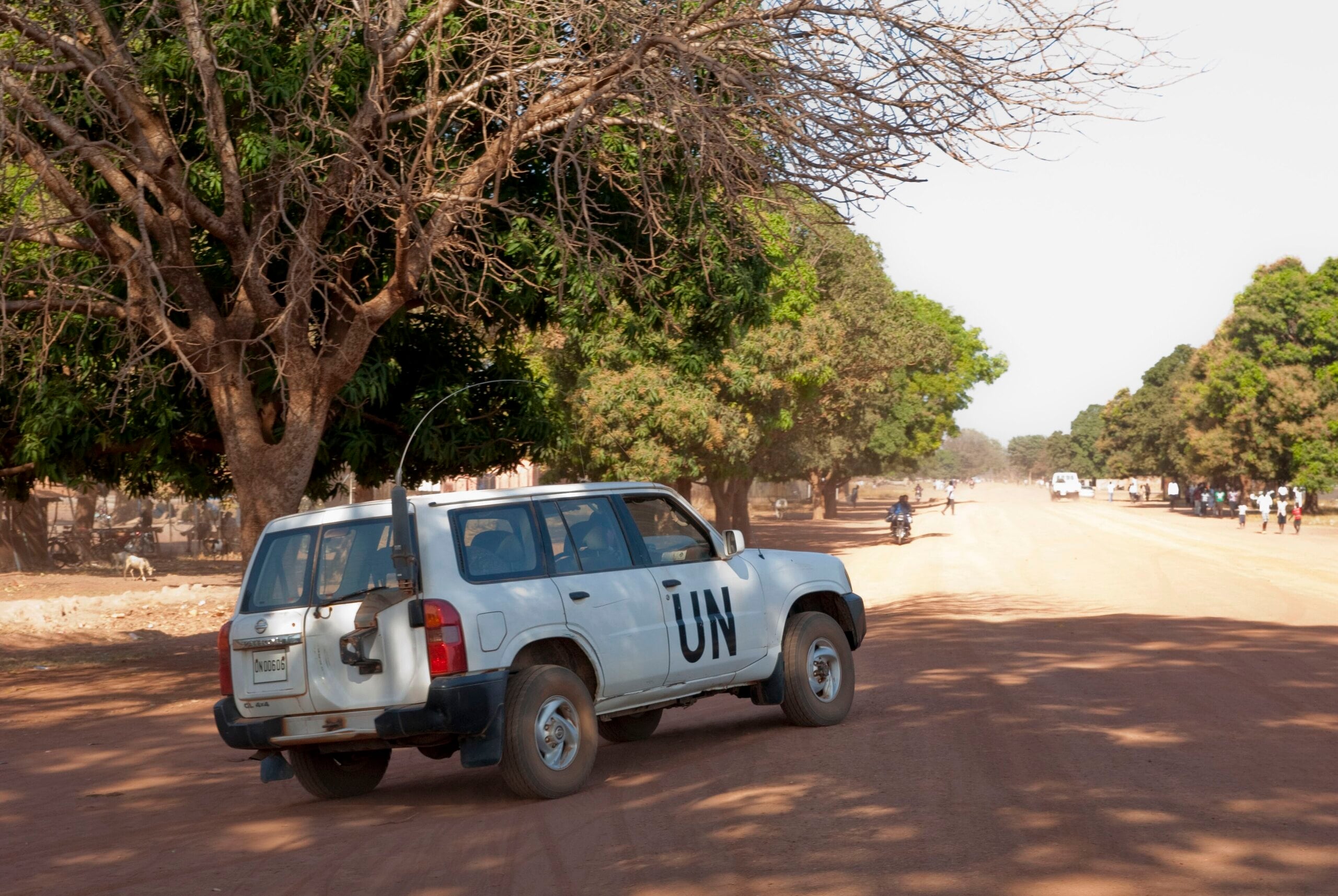
The most immediate weakness is the voter roll. Registration dates, centres and required documents had not yet been announced. The commission said registration would be manual, in-person and paper-based, with data later entered into computer systems.
The absence of a census compounds the problem. South Sudan lacks a current population baseline after years of war, displacement and weak administrative capacity. Key unresolved questions include:
- How constituencies and representation are allocated without a reliable population count.
- How internally displaced people and refugees can register.
- How duplicate or fictitious registrations will be prevented.
- Whether registration will be accessible outside major towns.
- How results can be audited against a credible population denominator.
The cut-off for registering any coalition of political parties is 22 October 2026, 60 days before polling.

The Actors and What Each Wants
President Salva Kiir Mayardit
Kiir has led South Sudan since independence on 9 July 2011. On 22 September 2026, President Salva Kiir dissolved the transitional unity government, national legislature and state governments, removed the vice-presidents and governors, and appointed caretaker officials, including governors for all 10 states. His government’s formal commitment to the December vote is clear, but the political environment has narrowed. The National Elections Act amendment reportedly allows Kiir to retain full constitutional powers during the electoral period.
Riek Machar and the SPLM-IO
Machar leads the Sudan People’s Liberation Movement-in-Opposition, the main opposition force under the 2018 peace deal. Opposition groups argue that security-sector unification remains incomplete, alongside constitutional reform and other security arrangements. Their participation, and their freedom to campaign, will be decisive tests of credibility.
Cyril Ramaphosa and the African Union
He pressed for full implementation of the peace agreement and an inclusive electoral process based on trust among the parties. Ramaphosa’s message linked the December vote to the unresolved peace process, rather than endorsing a vote at any cost.
The National Elections Commission
Gabriel Bol Deng chairs the commission after replacing Prof. Abednego Akok Kacuol, who was dismissed on 15 September 2026. Its own website was internally inconsistent as of October 2026, with one page still listing Kacuol as chairperson.
Economic and Business Stakes
South Sudan’s economy is under severe strain.
Oil is the government’s main revenue source, and South Sudan’s exports depend heavily on infrastructure running through Sudan to Port Sudan. The Sudan war therefore creates a direct economic vulnerability for Juba. Election-related instability could threaten production sites, internal transport routes, pipelines, processing infrastructure and export flows. A disrupted oil corridor would weaken the government’s fiscal capacity just as it needs to finance registration, logistics and security.
For energy investors, the key risk is not only whether South Sudan votes, but whether political uncertainty coincides with a renewed interruption of exports through Sudan. The election calendar should be read alongside Sudan’s battlefield situation and the physical security of the pipeline route.
What It Means for the United States and Latin America
The United States remains an important external actor through humanitarian assistance, diplomacy and sanctions policy. Washington’s central dilemma is whether to use aid and targeted sanctions to press for a credible process without worsening humanitarian conditions. Potential pressure points include targeted sanctions on officials or armed actors linked to violence, diplomatic pressure for protection of opposition parties and journalists, continued humanitarian assistance, and support for election observation.
A sanctions-heavy response to a manipulated election could deter some abuses but also harden the government’s position and complicate aid delivery. Conversely, maintaining assistance without enforceable political conditions risks allowing an election to become a mechanism for extending executive power. The practical US test will be whether Washington distinguishes between humanitarian aid and political legitimacy.
For Latin America, the connection is indirect but real. Brazil and other regional powers participate in United Nations peacekeeping and diplomatic forums where African crises compete for attention and funding. Displacement from South Sudan into Uganda, Kenya and Ethiopia can strain international humanitarian budgets, affecting how much donor funding remains available for other priorities, including Latin American development programmes. Brazilian companies with African operations also watch regional stability as a signal for broader emerging-market risk.
The Scenarios
Scenario one: a staged but flawed vote. The government uses the amended legal framework, mobilises emergency funding and holds polling on 22 December 2026. Registration is compressed, opposition access is uneven, and the result is disputed. This is the most likely scenario based on current evidence, and it carries the highest risk of post-election violence.
Scenario two: a negotiated delay. The African Union, facing evidence that registration cannot be completed credibly, brokers a short postponement with conditions. This would erode the peace agreement’s credibility further but could avoid a violent collapse.
Scenario three: a credible-enough election. Registration begins immediately, donors fund logistics, unified security forces deploy to polling sites, and opposition parties accept the result. This is the least likely scenario given the October 2026 starting point, but it remains possible if the government and international partners treat the next ten weeks as an emergency.
What It Means for You
If you hold energy, infrastructure or emerging-market exposure, treat 22 December 2026 as a political risk date, not a routine election. A disputed result could disrupt oil exports through Sudan, pressure the South Sudanese pound, and trigger capital-flight pressure. If you work in aid, development or humanitarian programming, plan for possible displacement into Uganda, Kenya and Ethiopia, and for donor fatigue if the transition slips again. If you follow US foreign policy, watch whether Washington calibrates sanctions and aid to specific conduct before, during and after polling, rather than issuing blanket statements.
What Is Not Known
What to Watch
Before 22 October 2026: Whether political parties meet the reported deadline to submit manifestos and register, and whether the National Elections Commission publishes a voter-registration timetable.
November 2026: Whether registration centres open outside Juba, whether the provisional voter register is published with time for corrections, and whether unified security forces deploy to polling sites.
December 2026: Whether the African Union endorses, conditions or rejects the process, whether oil exports through Sudan remain uninterrupted, and whether Washington announces sanctions or aid conditions tied to electoral conduct.
After 22 December 2026: The most dangerous period may be after results are announced, especially if the vote is close or the opposition rejects the outcome. Watch for security-force splits, displacement flows and emergency African Union or United Nations meetings.
Related reading: South Sudan Explained 2026, the World's Youngest Country; South Sudan Restarts Oil Exports as Machar Faces Trial and December 2026 Vote Looms; more from South Sudan.
Frequently Asked Questions
When is the South Sudan election in 2026?
South Sudan is legally scheduled to vote on 22 December 2026.
Has voter registration started in South Sudan?
No. As of 2 October 2026, the National Elections Commission confirmed that voter registration had not begun and that no electoral register existed. Registration dates, centres and required documents had not yet been announced.
Who is running in the South Sudan 2026 election?
President Salva Kiir Mayardit leads the caretaker government and is expected to seek re-election. Opposition leader Riek Machar heads the SPLM-IO, the main opposition force under the 2018 peace agreement. Political parties had until 22 October 2026 to submit manifestos and register.
Why does the South Sudan election matter for oil prices?
South Sudan’s oil exports depend on pipelines running through Sudan to Port Sudan. Election-related instability could disrupt production, transport or export flows, reducing government revenue and potentially affecting regional energy markets.
What happens if the South Sudan election is delayed again?
A further delay would erode the peace agreement’s credibility, increase donor fatigue, and raise the risk that opposition groups conclude armed leverage is more effective than electoral participation.
Sources: riotimesonline.com, amp.dw.com, africanews.com, ssbc.gov.ss, africa-press.net, radiotamazuj.org. Retrieved 8 October 2026.
This article was produced by The Rio Times’ automated newsroom system. How we use AI · Report an error · Editorial responsibility: Matthias Camenzind, Editor-in-Chief
Part of our ongoing coverage
Africa: The New Scramble — the great-power contest over the continent.