South Korea’s Parliament Blocks Yoon’s Martial Law, Forces Military Withdrawal
South Korean President Yoon Suk Yeol’s attempt to seize emergency powers through martial law collapsed within hours on December 3, 2024. The failed power grab revealed both the strength of South Korea’s democratic institutions and the deepening political crisis facing the nation.
Yoon declared martial law during a late-night television address, claiming he needed to protect the country from “anti-state forces.” Military helicopters landed at parliament while soldiers with rifles surrounded the building. The president’s move sent markets tumbling, with the Korean won dropping 2.5% against the dollar.
The declaration backfired spectacularly when members of Yoon’s own conservative party turned against him. Han Dong-hoon, the ruling party leader, condemned the move and joined protesters outside parliament. All 190 lawmakers present voted to lift the martial law declaration, forcing Yoon to withdraw troops by early morning.
This crisis stemmed from Yoon’s frustration with his 19% approval rating and inability to pass legislation through the opposition-controlled parliament. The Democratic Party had blocked his budget and pushed to impeach senior officials. Rather than compromise, Yoon chose confrontation.
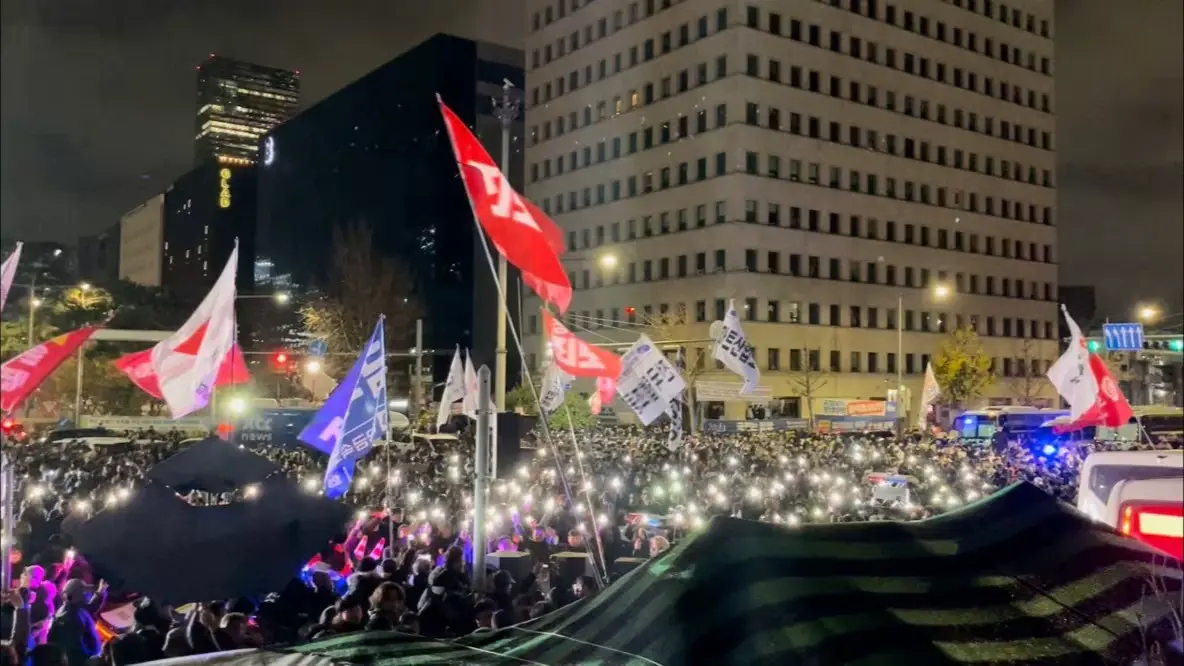
South Korea’s Parliament Blocks Yoon’s Martial Law, Forces Military Withdrawal
The events highlighted how South Korea’s democratic safeguards functioned exactly as designed. The constitution requires martial law to end if parliament votes against it. When tested, these protections prevailed over any individual leader’s attempt to expand power.
For global markets and South Korea’s allies, the swift resolution prevented a deeper crisis. Finance Minister Choi Sang-mok promised unlimited liquidity to stabilize markets after the brief turmoil. The U.S. State Department expressed “grave concern” but emphasized the alliance remained strong.
This 24-hour drama marked South Korea’s first martial law declaration since democratization in 1987. While Yoon’s gambit failed, it exposed the intense polarization gripping South Korean politics. The president’s actions damaged his already weak position while reinforcing the durability of constitutional democracy.
This article was produced by The Rio Times’ automated newsroom system. How we use AI · Report an error
Read More from The Rio Times