
SOUTH AFRICA · FUEL
Key Facts
- —The country South Africa is Africa’s most industrialised economy and buys much of its petrol and diesel abroad, so pump prices follow world oil prices.
- —What happened Finance Minister Enoch Godongwana announced the fuel levy cut in Parliament on Wednesday 21 October 2026, in the mid-year budget update.
- —The cut From 4 November to 1 December the levy falls R3 (about US$0.18) a litre on diesel and R1.50 (about US$0.09) on petrol.
- —The taper After 1 December, and until 5 January 2027, the cut shrinks to R1.50 (about US$0.09) on diesel and R1 (about US$0.06) on petrol.
- —The cost Treasury gives up R10 billion (about US$610 million) in revenue and pays for it by taking back money held at the Central Energy Fund.
- —The price Petrol 95 costs R30.25 (about US$1.84) a litre inland after a record rise on 7 October.
- —Still open Official November pump prices are not yet set, and early estimates pointed to rises before the levy cut.
The South Africa fuel levy falls from Wednesday 4 November, by R3 (about US$0.18) a litre on diesel and R1.50 (about US$0.09) on petrol. Finance Minister Enoch Godongwana announced the relief in Parliament on Wednesday 21 October, SAnews reported.
For US readers, the cut eases fuel costs for freight, mining and travel in Africa’s most industrialised economy. The cost to the budget is R10 billion (about US$610 million), which Treasury says the budget can carry.
What Godongwana Announced in Parliament
Enoch Godongwana, the finance minister, delivered the Medium-Term Budget Policy Statement to Parliament in Cape Town on Wednesday 21 October. The statement is Treasury’s October update to the national budget, which he first presents in February.
He called the fuel relief temporary and said rising fuel prices weigh on households and businesses. “This intervention will help ease cost of living pressures without compromising the sustainability of the budget,” Godongwana said.
How the Cut Is Phased and Who Pays
The South Africa fuel levy is a per-litre tax built into the pump price. From 4 November to 1 December it falls R3 (about US$0.18) on diesel and R1.50 (about US$0.09) on petrol.
A 50-litre diesel tank then costs about R150 (about US$9.15) less. A petrol tank of the same size costs about R75 (about US$4.57) less.
After 1 December a smaller cut applies until 5 January 2027, at R1.50 (about US$0.09) on diesel and R1 (about US$0.06) on petrol. The relief runs until 5 January 2027, the speech said.
Treasury gives up R10 billion (about US$610 million) in revenue it would have collected from the levy. It pays by taking back R10 billion (about US$610 million) that it had moved to the Central Energy Fund, a state energy fund.
The money returns to the National Revenue Fund, the government’s main account, to finance the relief. Treasury also cut the levy in March and extended the relief in April, according to its earlier statements.
Why the Government Acted Now
Godongwana said the South Africa fuel levy relief answers a fuel price shock. He blamed the Middle East conflict, which closed the Strait of Hormuz, a key sea route for oil, and raised living costs.
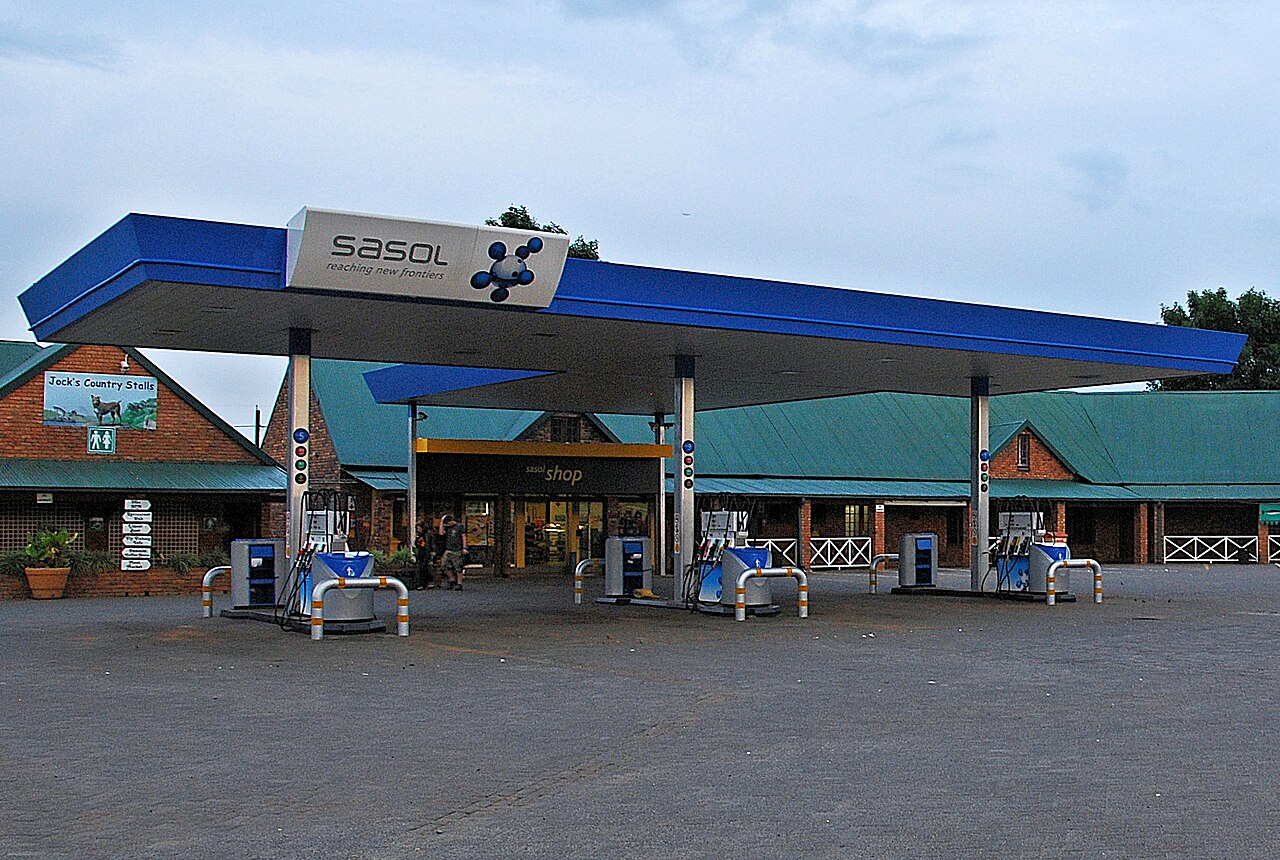
Petrol 95 reached a record R30.25 (about US$1.84) a litre inland on 7 October, as Rio Times reported. That equals about US$6.98 a US gallon, since a gallon is 3.785 litres.
What Drivers Will See at the Pump
Provisional estimates showed November rises of R1.52 (about US$0.09) for petrol 95 and R1.24 (about US$0.08) for diesel, ShowMe South Africa reported. The energy ministry sets the official prices.
If those estimates hold, the petrol cut cancels almost all of the rise, and diesel falls by about R1.76 (about US$0.11) a litre. The latest confirmed adjustment took effect on 7 October.
Inflation, Interest Rates and Union Reaction
Statistics South Africa, the national statistics office, put inflation at 4.5% in September, with fuel up 27.9% on a year earlier. The central bank raised its main interest rate, the repo rate, to 7.25% on 23 September and meets again on 19 November.
Matthew Parks, parliamentary coordinator of the union federation Cosatu, welcomed the cut, IOL reported. He said it could ease commuter costs, lower inflation and possibly prevent a November rate hike.
Cosatu, the Congress of South African Trade Unions, also wants a wider overhaul of fuel taxes and the Road Accident Fund levy. The Road Accident Fund is the state insurer that pays accident victims and is financed by a levy on each litre.
Earlier Rio Times coverage of the mid-year budget shows the relief sits within a deficit of 3.9% of GDP. The deficit is the gap between government spending and revenue.
What It Means for US Readers
The South Africa fuel levy cut lowers costs for trucking, mining and farming, which run largely on diesel. Exporters that ship to the US gain, and slower inflation matters to investors who hold rand bonds.
The R10 billion (about US$610 million) cost is small beside the budget, and Treasury says the South Africa fuel levy relief keeps it sustainable. US travellers hiring cars will see petrol about R1.50 (about US$0.09) a litre cheaper from 4 November, if pump prices follow the levy.
What Is Not Known
The official November pump prices are not yet announced, so the net effect of the South Africa fuel levy cut at the pump is open. The speech does not say whether the separate Road Accident Fund levy changes.
It is not known whether the relief will be extended beyond 5 January 2027. The reaction of the rand and of bond markets to the announcement has not been fully reported.
More: South Africa news in English, every day from The Rio Times.
Frequently Asked Questions
How much is the South Africa fuel levy cut?
The South Africa fuel levy cut is bigger on diesel. From 4 November to 1 December the levy falls R3 (about US$0.18) a litre on diesel and R1.50 (about US$0.09) on petrol. From 2 December to 5 January 2027 the cut is R1.50 (about US$0.09) on diesel and R1 (about US$0.06) on petrol.
When does the fuel levy relief start and end?
The relief starts on Wednesday 4 November 2026 and ends on 5 January 2027. The deepest cut runs until 1 December.
Will petrol and diesel be cheaper in November?
Not necessarily, because the monthly price also depends on oil prices and the rand. Provisional early estimates showed rises of R1.52 (about US$0.09) for petrol 95 and R1.24 (about US$0.08) for diesel before the cut.
Who pays for the cut?
The government pays, by giving up R10 billion (about US$610 million) of revenue. It funds this by returning money from the Central Energy Fund to the National Revenue Fund.
Why is the South Africa fuel levy being cut?
Godongwana said the conflict in the Middle East, which closed the Strait of Hormuz, pushed up global oil prices. The cut aims to ease cost of living pressures on households and businesses.
Sources: National Treasury, MTBPS speech (gov.za), 21 October 2026; SAnews, 21 October 2026; IOL Cape Argus, 21 October 2026; ShowMe South Africa, 21 October 2026.
This article was produced by The Rio Times’ automated newsroom system. How we use AI · Report an error · Editorial responsibility: Matthias Camenzind, Editor-in-Chief
LatAm Markets: Live Signals → — real-time movers, turnover leaders and FX across Latin America.