Securing the Future: Germany’s Move Away From China to Diverse 5G Suppliers
In the unfolding narrative of global technology, Germany marks its presence by slowly distancing itself from Huawei’s 5G equipment.
This shift mirrors similar movements across other Western nations, signaling a collective pivot towards securing critical digital infrastructure.
Within this context, Germany’s approach blends caution with innovation. Telefónica Deutschland, a key player in Germany’s telecom landscape, underscores this transition.
Since 2018, it has integrated Huawei technology to enhance its network. Their Munich project, “4.5G-TechCity,” now embraces 5G, setting a new tech standard.
Meanwhile, 1&1 debuts what it calls Europe’s most advanced 5G network.
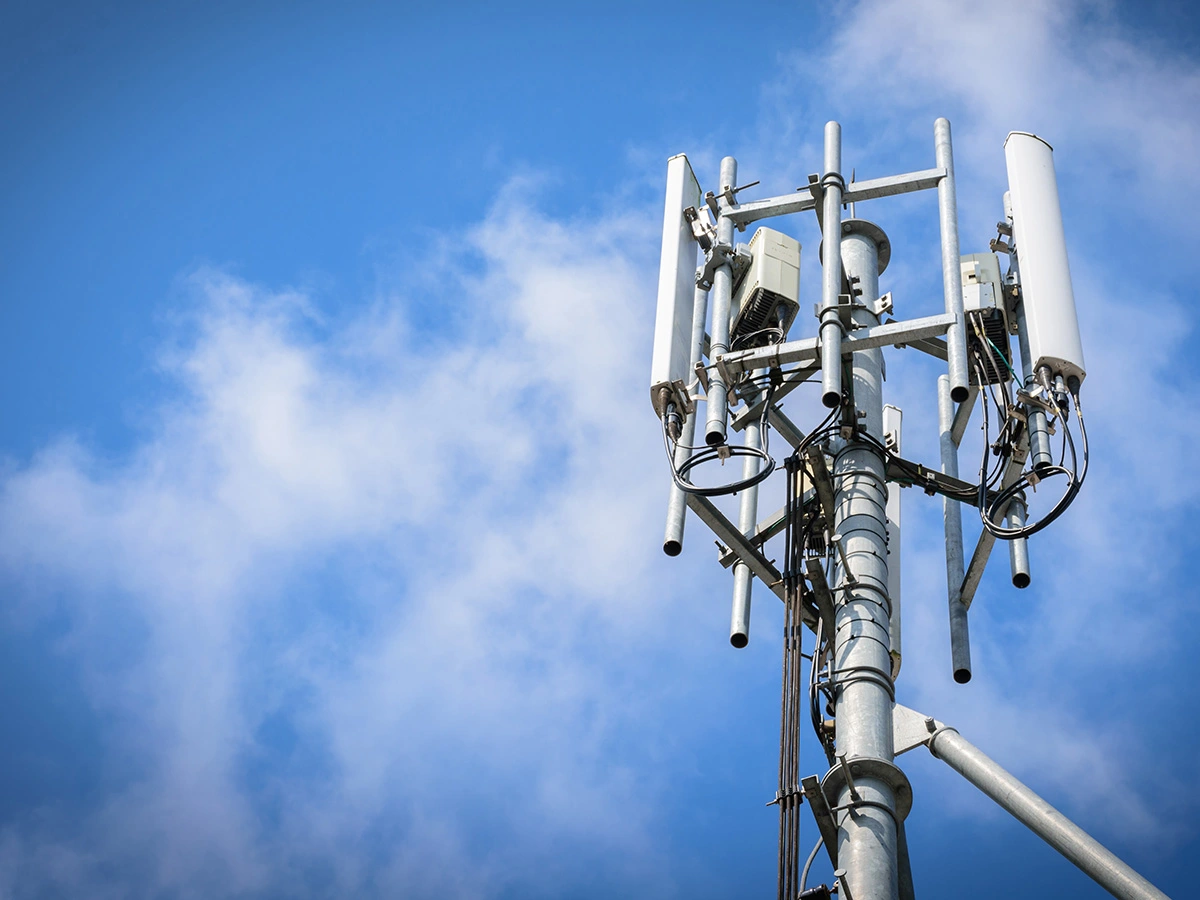
This network harnesses Open RAN technology, a modern approach that promises greater flexibility and security by allowing equipment from various suppliers.
The O2 network, operated by Telefónica Deutschland, showcases the practical application of 5G beyond typical consumer use.
It enhances business operations and connects industries more efficiently than ever before.
For instance, a collaboration with Ericsson equipped Mercedes-Benz’s Sindelfingen plant with its own 5G network.
This revolutionized automotive manufacturing through faster, more reliable machine communication.
Germany’s Strategic Pivot in 5G Infrastructure
This strategic pivot is not merely about excluding a single company but is a broader gesture towards autonomy in digital infrastructure.
It ensures that Germany remains at the forefront of technological advancement.
It also secures a resilient network that underpins everything from everyday mobile communications to complex industrial operations.
Germany’s 5G rollout encapsulates a larger story about innovation, security, and technological independence.
As the country builds its network with a diverse array of suppliers, it not only enhances its own capabilities but also contributes to a more interconnected and secure global digital landscape.
This movement matters because it exemplifies how nations can navigate complex technological and geopolitical terrains to retain sovereignty over their digital futures.
This article was produced by The Rio Times’ automated newsroom system. How we use AI · Report an error
Read More from The Rio Times