Researchers from Harvard and Google created the most detailed map of human brain connections ever.
This project unveiled mysterious phenomena that could transform our understanding of the brain.
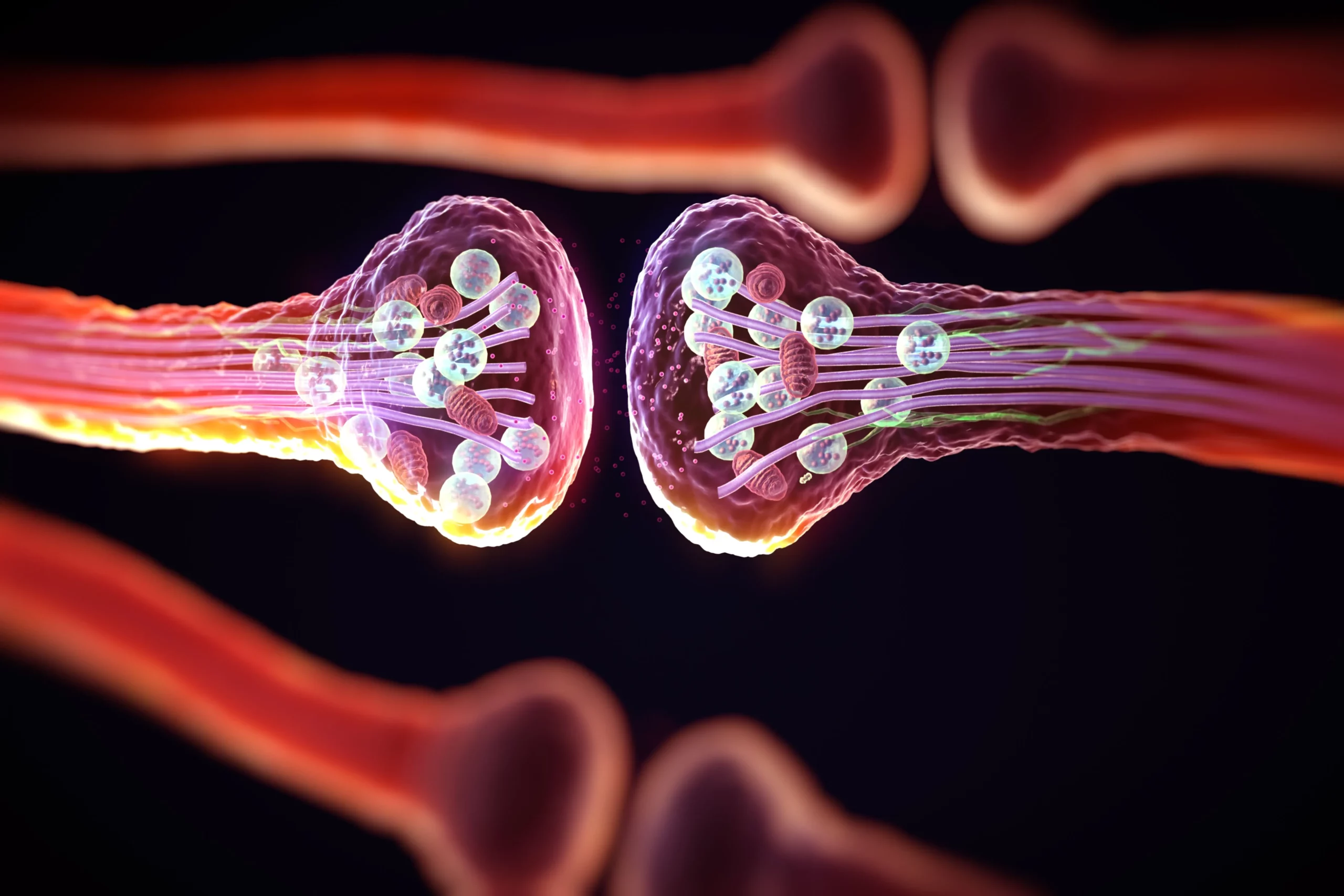
Among the most exciting findings were neuron pairs connected by up to 20 synapses.
These strong connections suggest a role in automated behaviors like reflexes and ingrained knowledge.
Imagine the potential insights into how our brains process information so efficiently.
Researchers also discovered symmetrical neurons that mirror each other, a phenomenon never documented before.
Adding to the mystery, they found rare spiraled axons coiling around other cells.
The functions of these axons remain unknown but could revolutionize our understanding of neuronal communication and brain structure.
The project began with a tiny piece of the temporal lobe from a 45-year-old woman undergoing epilepsy surgery.
This minuscule sample, just one cubic millimeter in size, underwent an intricate process.
Scientists Create Detailed Brain Map, Find Mysterious Patterns
Researchers stained it with heavy metals, embedded it in resin, and sliced it into over 5,000 ultra-thin sections. Each section was about 30 nanometers thick.
Using electron microscopes, they produced 225 million high-resolution images. Machine learning algorithms then stitched these images into a 3D model.
Human oversight ensured accuracy. The final dataset, known as H01, contains 50,000 cells and 130 million synapses, occupying 1.4 petabytes of data.
This unprecedented map provides a detailed look into the brain’s structure.
Understanding these connections could lead to breakthroughs in treating neurological disorders and enhancing artificial intelligence.
The data is available online, allowing researchers worldwide to explore and analyze it further.
While this project covers only a tiny fraction of the brain, it represents a significant step toward mapping the entire brain.
This monumental task may take decades. Comparing these maps with those of other animals and humans with mental health conditions could reveal fundamental brain principles.
This brain map highlights rapid progress in neuroscience and computational imaging.
It underscores the potential for groundbreaking discoveries in understanding the brain and developing new technologies based on this knowledge.
The creation of this map shows how far brain mapping has come and hints at thrilling possibilities ahead in neuroscience.
This article was drafted with automated assistance and reviewed before publication. How we use AI · Report an error
Read More from The Rio Times