Samarco Convicted on Appeal Over the Mariana Dam Collapse
BRAZIL · MINING
Key Facts
- —What happened An appeals court convicted Samarco and three former managers over the 2015 Fundão dam collapse in Minas Gerais.
- —The reversal The ruling overturns a November 2024 acquittal that had cleared every remaining defendant in the criminal case.
- —The sentences Two managers received eight years and nine months in closed regime, and a third seven years and three months.
- —The catch Vale and BHP, which jointly own Samarco, keep their acquittals, so the parents carry no criminal finding.
- —Who it affects Nineteen people died and the tailings reached the Rio Doce and the coast of Espírito Santo.
- —What comes next Samarco says it will study the decision, and further appeals remain open, so nothing is final.
Runoff · Sunday, 25 October
Brazil Runoff 2026: Lula vs Flávio
Date, polls, debates, odds and how the runoff works, updated every day.
Read our Brazil election 2026 runoff guide →
Brazil runoff polls · Polymarket and Kalshi odds · When results come · Brazil election poll data (CSV)
Prediction markets · who wins the runoff
Implied chance of winning Brazil’s presidency on 25 October, from traders’ prices.
Polymarket
Flávio Bolsonaro 79% · Lula 21.5% (US$191 million traded)
Kalshi (regulated in the US by the CFTC)
Flávio Bolsonaro 79% · Lula 22%
As of 21 October, 4:40 pm ET (21:40 Lisbon), updated every 20 minutes. Prices are bets, not polls, and can move fast.
Why we show this: prediction markets turn real-money bets into a live probability that moves within minutes of the news, which is why investors, campaigns and newsrooms in the United States now follow them closely. We show them next to polls and official results, never instead of them.
Eleven years after the mud came down the valley, a Brazilian appeals court has reversed the acquittals. The two foreign parents that own Samarco walked away again.
A Brazilian appeals court has convicted the mining company Samarco over the Mariana dam collapse of November 2015. Three former managers were convicted with it.
The second panel of the Federal Regional Court of the Sixth Region ruled unanimously on Thursday, 3 September. The federal prosecution service announced the outcome the following day.
The decision reverses a first-instance ruling from November 2024. That judgment had absolved every remaining defendant, companies and individuals alike.
For the families of the nineteen people who died, it is the first criminal finding of guilt in the case. It arrives almost eleven years after the dam failed.
What the Court Decided
The charges were inundation resulting in death and qualified pollution resulting in death. Both are serious offences under Brazilian law.
The panel found that the company knew the risks it was running. It held that Samarco ignored technical warnings in order to increase profits.
Samarco itself cannot go to prison, so the penalties are financial and administrative. It is barred from contracting with government bodies for ten years.
It must also pay R$1 million, about US$196,000, to Brazil’s National Environmental Fund. Further penalties of roughly R$6 million, some US$1.18 million, were added on top.
The Three Men Named
Daviely Rodrigues Silva was the company’s former geotechnical manager. Germano Silva Lopes was its former structural projects manager.
Both received eight years and nine months in a closed regime. Each also carries 192 day-fines, a Brazilian penalty scaled to income.
Wagner Milagres Alves, the former mine operations manager, received seven years and three months. His sentence is served in a semi-open regime.
None of the three will go to prison immediately. Brazilian criminal appeals normally run their course before a sentence begins.
Why Vale and BHP Walked
Samarco is not an independent company. It is a joint venture owned half by Vale of Brazil and half by BHP of Australia.
Both parents were defendants in the same case. The appeals panel left their acquittals in place.
The reasoning turned on who actually ran the dam. The court found the evidence did not establish direct criminal responsibility for the owners as opposed to the operator.
The consultancy VogBR, which had also been charged, was likewise cleared. That leaves Samarco alone carrying the criminal finding.
What the Companies Say
Samarco said it will analyse the decision and weigh its legal options. It maintains that it always acted within the law and followed best practice.
The company has said it had no knowledge of any risk that Fundão would fail. That position has not changed with the ruling.
Vale and BHP made no substantive public statement on this judgment. Neither has an incentive to reopen a case it has now won twice.
The Civil Track Is a Different Story
Foreign readers often merge the two legal fronts. They are separate, and they have moved in opposite directions.
In the civil track, Vale and BHP agreed a reparation package worth around US$25 billion in 2024. That money flows regardless of the criminal outcome.
BHP has also faced a large civil claim in the English courts over the same disaster. That case runs on its own timetable.
The criminal case decides blame. The civil cases decide money, and the money was settled first.
What Happened in 2015
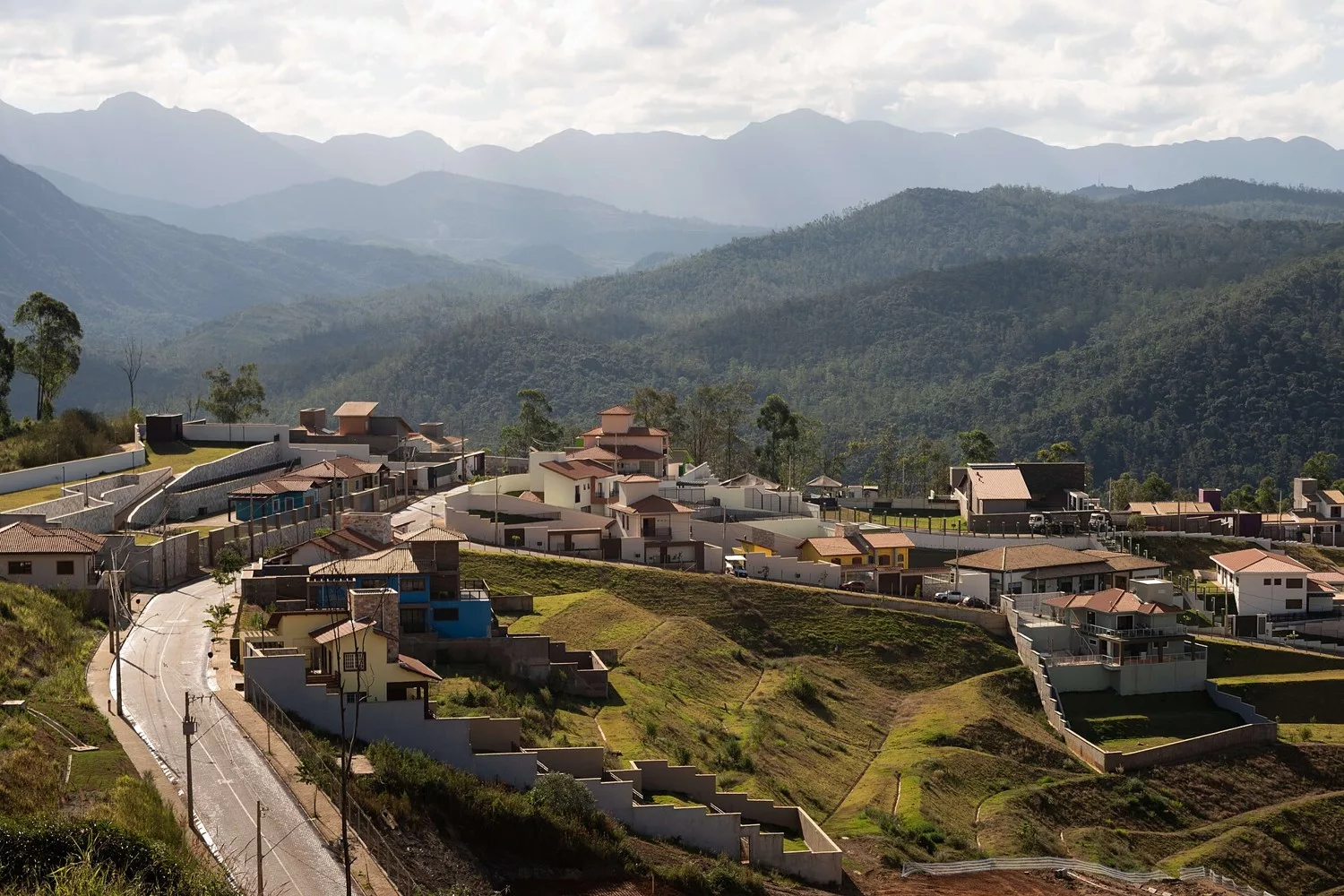
The Fundão tailings dam failed on 5 November 2015. It released a wave of mining waste into the valley below.
The village of Bento Rodrigues was destroyed within minutes. Nineteen people were killed.
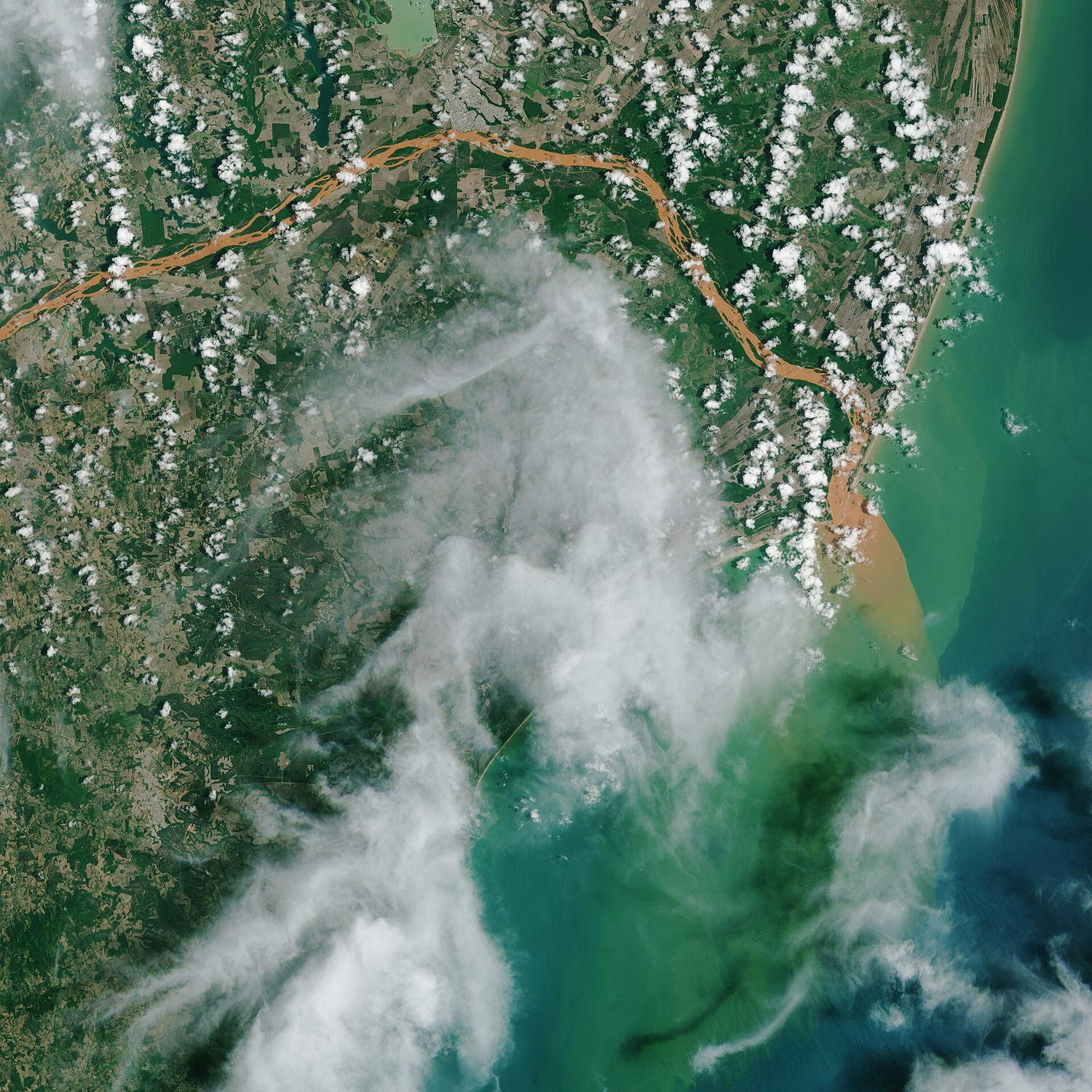
The waste then travelled hundreds of kilometres down the Rio Doce. It reached the Atlantic off the coast of Espírito Santo.
Brazil still calls it the country’s worst environmental disaster. A second dam failure at Brumadinho in 2019 killed far more people but spread less far.
What to Watch Next
Appeals are still available to every convicted party. A conviction at this level is not the end of the road in Brazil.
The ten-year contracting ban is the sharpest practical penalty. It closes off public tenders for a company that has spent a decade rebuilding its licence to operate.
Watch whether the prosecution now presses the owners again on other grounds. Two acquittals in a row make that harder, not easier.
More: Brazil news in English, every day from The Rio Times.
Frequently Asked Questions
What did the court decide about the Mariana dam collapse?
An appeals court in Belo Horizonte convicted Samarco and three former managers over the Mariana dam collapse of November 2015. It overturned a November 2024 ruling that had acquitted everyone.
Were Vale and BHP convicted?
No. The panel left the acquittals of Vale, BHP and the consultancy VogBR in place, finding the evidence did not show direct criminal responsibility for the owners rather than the operator.
What are the penalties?
Samarco is barred from contracting with government for ten years and must pay about US$196,000 to the National Environmental Fund, plus roughly US$1.18 million in further penalties. Two managers received eight years and nine months, and a third seven years and three months.
Sources: Ministério Público Federal, Por Dentro de Minas, Século Diário, A Gazeta, Estadão, CNN Brasil, Reuters, Rio Times.
This article was produced by The Rio Times’ automated newsroom system. How we use AI · Report an error · Editorial responsibility: Matthias Camenzind, Editor-in-Chief