SAINT VINCENT AND THE GRENADINES · COUNTRY GUIDE
Key Facts
- —What it is An independent English-speaking Caribbean parliamentary democracy and constitutional monarchy, with King Charles III as head of state.
- —Why it matters It combines a luxury sailing and private-island tourism economy with high public debt, climate shocks and a society shaped by migration.
- —The numbers The economy grew 3.7% in 2025, with inflation at 0.9%, according to the International Monetary Fund.
- —The catch Public debt reached about 113% of GDP in 2025, and the current-account deficit was roughly 20% of GDP, according to the IMF.
- —What it means for you A foreigner can find a welcoming, English-speaking society and a stable currency peg, but must plan around transport gaps, climate risk and limited local credit.
Saint Vincent and the Grenadines explained in one read: a small Caribbean state where volcanic mountains, a luxury island chain and a tightly connected society sit alongside serious fiscal and climate pressures.
For a newcomer, Saint Vincent and the Grenadines is best understood not as one destination but as two linked worlds: the main island of Saint Vincent, where most people live and the state is run, and the Grenadines, a chain of smaller islands known globally for sailing, beaches and private retreats. This guide explains how the country works, who runs it, what the economy looks like in 2026 and what all of that means for a foreigner considering a visit, a move or an investment.
Geography: One Volcanic Island and a Chain of Cays
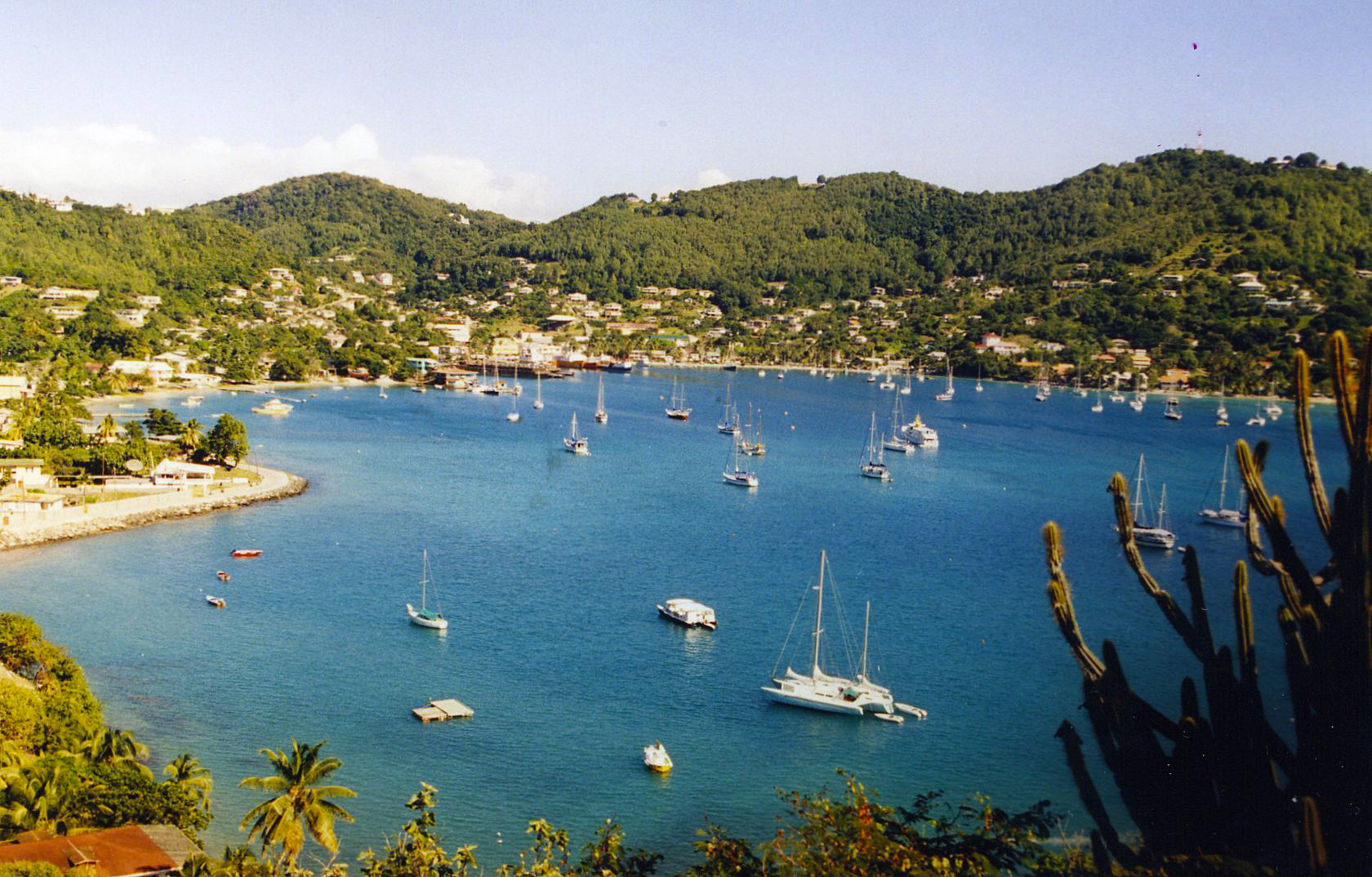
Saint Vincent is the largest and most mountainous island in the country. Its landscape is dominated by volcanic terrain, steep valleys and a central mountain spine. La Soufrière, the country’s highest peak, is an active volcano in the north of Saint Vincent.
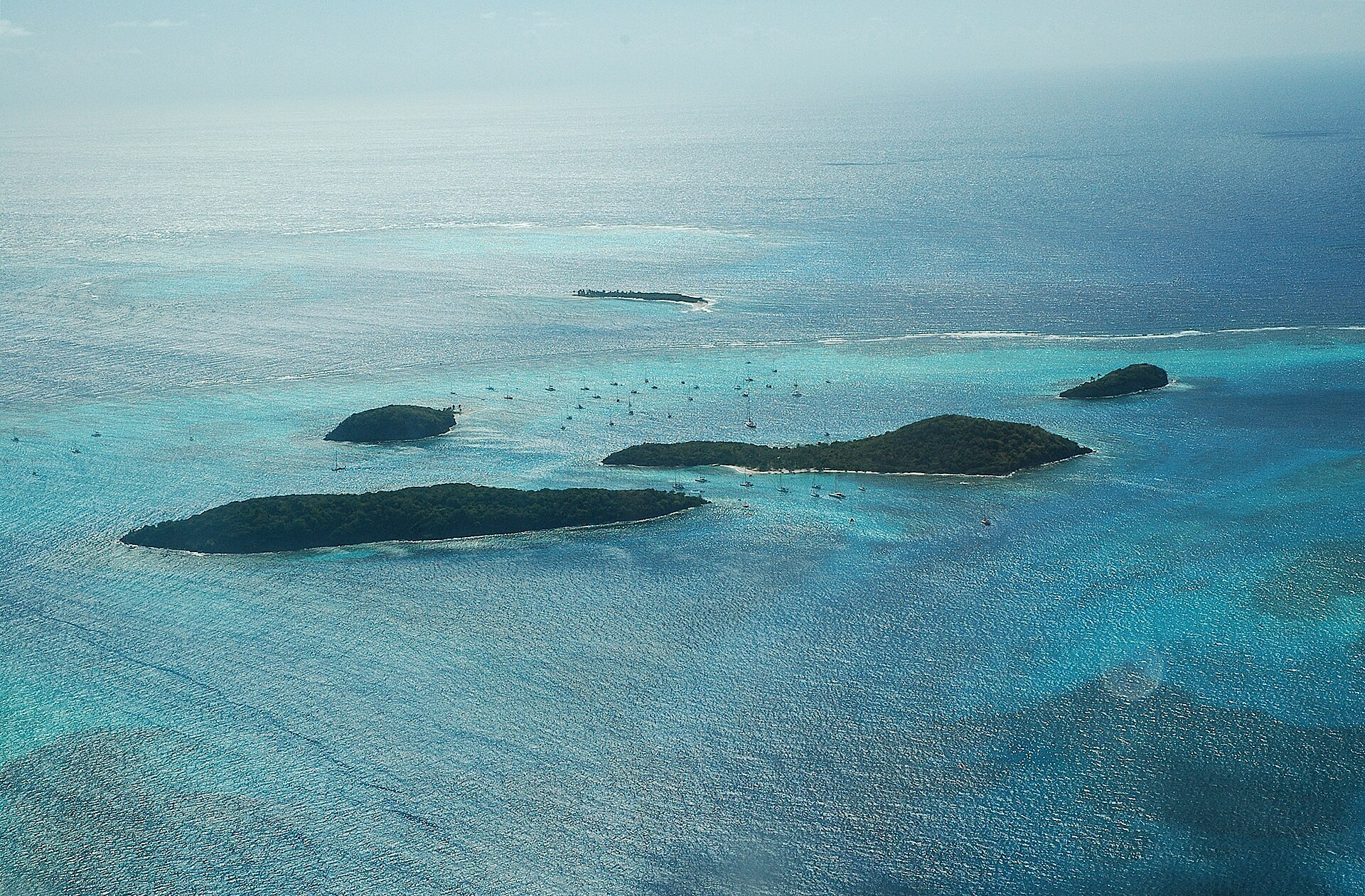
The Grenadines extend southward from Saint Vincent toward Grenada. They include inhabited islands such as Bequia, Mustique, Canouan, Union Island and Mayreau, as well as smaller islands and cays. The Tobago Cays are among the country’s best-known marine and tourism assets.
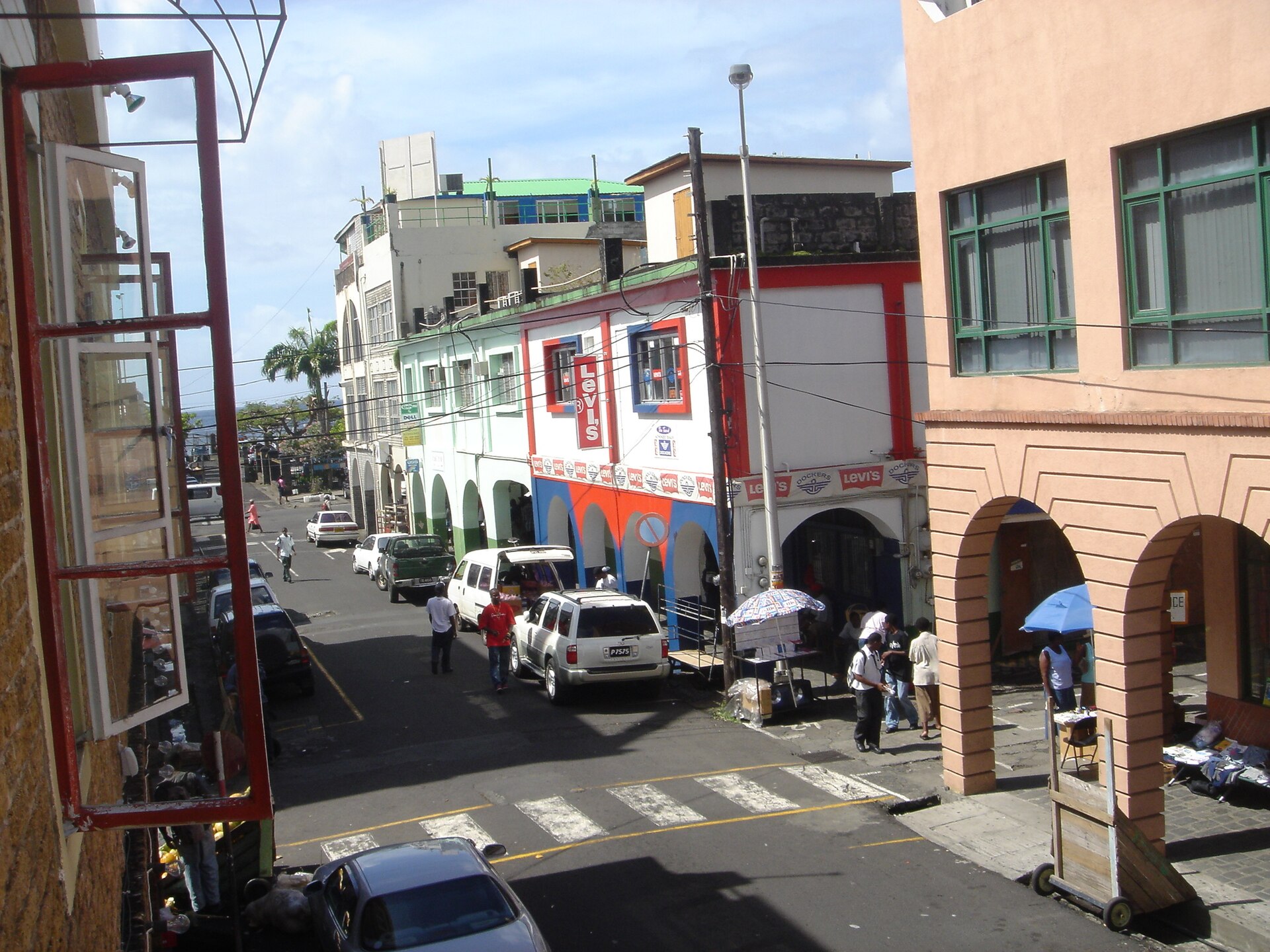
Geography shapes daily life and economic opportunity in direct ways. Kingstown and the surrounding southern part of Saint Vincent contain much of the administrative, commercial and educational infrastructure. The Grenadine islands are more dependent on maritime and air connections, tourism and imported goods. Inter-island transport is essential for residents, workers, students, patients and visitors.
The country’s exposure to natural hazards is not theoretical. La Soufrière erupted in 2021, while Hurricane Beryl caused serious damage across the southern Grenadines in 2024. Climate resilience is therefore a central policy concern, not merely an environmental topic. In September 2026, SVG officially joined the Climate Vulnerable Forum, and Prime Minister Friday used a United Nations high-level meeting on sea-level rise to argue that investment in resilience is less costly than rebuilding after disasters.
Political System and Current Leadership
Saint Vincent and the Grenadines is a constitutional monarchy and parliamentary democracy. The monarch is the formal head of state, while executive political power is exercised by the prime minister and cabinet. The country became independent from Britain on 27 October 1979 and retained a Westminster-style parliamentary system within the Commonwealth.
Head of State
King Charles III is King of Saint Vincent and the Grenadines. He does not reside in the country. His constitutional representative is Sir Stanley Kendrick John, GCMG, KC, who became governor-general in January 2026. Sir Stanley John was sworn in on 6 January 2026, succeeding Dame Susan Dougan. The governor-general performs constitutional functions, including appointing the prime minister, summoning and dissolving Parliament on constitutional advice, and formally assenting to legislation.
Head of Government
Dr. Godwin Elliot Loraine Friday became prime minister after the New Democratic Party won the 2025 general election. He also holds ministerial responsibility for finance, legal affairs and justice, economic planning and private-sector development, according to the Australian Department of Foreign Affairs and Trade’s current government listing.
The 2025 election ended the long period in which the Unity Labour Party governed under Dr. Ralph Gonsalves. Public reporting indicates that the New Democratic Party won 14 of the 15 parliamentary seats, leaving the government with a large legislative majority. The opposition is led by Dr. Ralph Gonsalves, the former prime minister and former leader of the Unity Labour Party, according to local reporting in October 2026.
Parliament and Elections
The legislature is the House of Assembly. Its elected members represent parliamentary constituencies, while appointed senators also participate in the chamber. SVG’s political system is strongly shaped by constituency politics. Personal relationships, local service delivery, family networks, party loyalty and island-level concerns all influence political life.
National debates are often experienced locally through questions such as whether roads, schools and clinics are being repaired; whether public-sector jobs and contracts are distributed fairly; whether ferry and air services are reliable; whether young people can find work without emigrating; and whether housing is affordable and disaster-resistant.
An election petition concerning the 2025 election was still before the High Court in late September and early October 2026, according to local reporting. The case reportedly involves questions concerning the eligibility and citizenship status of senior political figures. The legal process should be treated separately from the election result and should not be described as overturning the government unless a court rules accordingly.
People, Identity and Language
Vincentian society is predominantly Afro-Caribbean, with smaller communities of mixed, European, East Indian, Indigenous Kalinago, Lebanese and other ancestry. The population is socially diverse but tied together by strong family, church, neighbourhood, school and migration networks.
The official language is English, which is used in government, education, courts, business and the media. In ordinary conversation, many people also use Vincentian Creole or English-based local speech. The language used with a government department, bank or professional service provider is generally more formal than the language heard at home, in markets or among friends.
Migration is part of the national experience. Many Vincentians have family members in the United States, Canada, Britain and other Caribbean countries. Remittances, return visits, imported goods, overseas education and diaspora investment all contribute to everyday economic life.
Religion is also socially important. Christian churches, including Anglican, Catholic, Methodist, Pentecostal, Seventh-day Adventist and other denominations, play visible roles in communities. Religious institutions often provide social support, youth activities, education and public commentary. Community life is expressed through church services and religious festivals, cricket, football and athletics, Carnival and calypso, school events and village celebrations, community fundraising and mutual aid, and fishing, farming and family-based commerce.
Economy: Tourism Is Important, but Not the Whole Economy
SVG uses the East Caribbean dollar, issued within the Eastern Caribbean Currency Union. The currency is pegged to the US dollar at approximately EC$2.70 to US$1. US dollars are widely understood in tourism-facing businesses, but everyday transactions, salaries, taxes and many domestic prices are denominated in East Caribbean dollars.
The economy combines tourism, construction, public services, agriculture, fisheries, retail, transport, banking, telecommunications, remittances and private-island activity. The International Monetary Fund’s 2026 Article IV assessment reported that the economy grew by 3.7% in 2025, with tourism and construction remaining strong. Average inflation was 0.9% in 2025.
The IMF projected slower growth in 2026 and 2027 as construction activity normalised, oil prices increased and the global outlook weakened. It projected inflation of approximately 2.9% by the end of 2026.
| Indicator | 2025 figure | Source |
|---|---|---|
| Economic growth | 3.7% | IMF 2026 Article IV |
| Average inflation | 0.9% | IMF 2026 Article IV |
| Public debt | About 113% of GDP | IMF 2026 Article IV |
| Fiscal deficit | About 12% of GDP | IMF 2026 Article IV |
| Current-account deficit | About 20% of GDP | IMF 2026 Article IV |
These figures matter for investors and residents because high public debt can constrain government spending, increase refinancing pressure and limit the fiscal room available after hurricanes, volcanic events or other shocks. Public debt had increased by roughly 45 percentage points of GDP since 2019, according to the IMF.
Tourism
Tourism is one of SVG’s most visible industries, but it is structurally different from tourism in larger Caribbean destinations. The country attracts yacht and sailing visitors, cruise passengers, high-end and private-island guests, beach and nature tourists, divers and marine enthusiasts, visitors using villas, guesthouses and smaller hotels, and regional and diaspora travellers.
The Grenadines, especially Bequia, Mustique, Canouan, Union Island and the Tobago Cays, have a strong luxury, yachting and marine-tourism profile. Saint Vincent itself offers rainforest, hiking, volcanic landscapes, waterfalls, black-sand beaches and cultural attractions.
Cruise growth can raise visitor numbers and port-related activity, but it does not automatically produce the same local economic benefits as longer-stay tourism, because cruise visitors typically spend less time and money in the destination.
Construction and Infrastructure
Construction has been a major source of recent growth, partly because of tourism development and reconstruction. The IMF specifically linked strong imports and the large current-account deficit to construction-related demand.
Infrastructure priorities include roads and bridges, ports and ferry terminals, airports and air links, water and electricity systems, schools and clinics, coastal protection, and housing and disaster resilience. The country’s infrastructure is uneven. Kingstown and the main urban corridor have the greatest concentration of services, while rural and Grenadine communities face higher transport costs and fewer choices.
Agriculture and Fisheries
Agriculture remains economically and culturally significant even though its national role has changed over time. Bananas were historically central to exports, but agriculture now operates within a more diversified and more vulnerable economy. Small farmers produce crops for domestic consumption and local markets. Fisheries support coastal communities and food supply.
Agriculture faces challenges from extreme weather, volcanic ash and eruptions, drought and changing rainfall, soil and watershed pressures, high input and transport costs, competition from imported food, and limited economies of scale. The government and development agencies increasingly emphasise climate-smart agriculture, local food production and greater resilience.
Finance, Banking and Credit
SVG is part of the Eastern Caribbean financial system. The economy includes commercial banks, credit unions, insurance providers and other regulated financial institutions. The IMF reported that bank credit to households and microenterprises had been insufficient, while credit unions had expanded rapidly.
What It Means for Foreigners, Investors and Expats
For a foreigner, Saint Vincent and the Grenadines offers an English-speaking legal and administrative environment, a stable currency peg to the US dollar, and a society that is accustomed to visitors and returning diaspora members. The country is small enough that personal relationships and local knowledge matter greatly in business, property and daily administration.
The main practical considerations are transport, housing, climate risk and credit. Inter-island movement depends on ferries and small aircraft, which can be affected by weather and maintenance. Housing quality and disaster resistance vary widely. The IMF’s warning about insufficient bank credit to households and microenterprises means that newcomers should not assume that local financing will be easy to obtain.
Investors looking at tourism, property, marine services or agriculture should weigh the country’s luxury brand in the Grenadines against its high public debt, current-account deficit and exposure to hurricanes and volcanic activity. The government’s stated emphasis on resilience and climate-smart investment suggests where public and donor funding may be directed, but fiscal constraints remain real.
What to Watch
Several issues will shape Saint Vincent and the Grenadines through 2026 and beyond. The first is the legal process around the election petition before the High Court, which could clarify or complicate the political landscape depending on how the court rules. The second is fiscal policy, because the IMF has identified debt and deficit levels that will require careful management.
The third is climate and infrastructure. The 2021 La Soufrière eruption and Hurricane Beryl in 2024 showed how quickly natural events can disrupt lives and budgets. Watch whether reconstruction spending translates into more resilient housing, transport and coastal protection, and whether the country’s membership in the Climate Vulnerable Forum brings new financing or only new commitments.
The fourth is the tourism mix. Cruise growth in the 2026–27 season will test whether the country can convert visitor numbers into broader local income, or whether the benefits remain concentrated in port areas and a few operators. Finally, watch the relationship between the new government and the private sector, especially in construction, tourism and financial services, where the IMF has already flagged credit gaps.
Frequently Asked Questions
Is Saint Vincent and the Grenadines an independent country?
Yes. Saint Vincent and the Grenadines became independent from Britain on 27 October 1979. It is a parliamentary democracy and constitutional monarchy within the Commonwealth, with King Charles III as head of state.
What currency does Saint Vincent and the Grenadines use?
The country uses the East Caribbean dollar, generally written XCD or EC$. It is fixed to the US dollar at approximately EC$2.70 to US$1.
Who is the prime minister of Saint Vincent and the Grenadines in 2026?
Dr. Godwin Elliot Loraine Friday is the prime minister and head of government. He took office after the New Democratic Party won the 2025 general election.
Is Saint Vincent and the Grenadines safe from hurricanes and volcanoes?
No. La Soufrière volcano erupted in 2021, and Hurricane Beryl caused serious damage across the southern Grenadines in 2024. Climate resilience is a central national policy concern.
What is the economy of Saint Vincent and the Grenadines based on?
The economy combines tourism, construction, public services, agriculture, fisheries, retail, transport, banking, telecommunications, remittances and private-island activity. The IMF reported growth of 3.7% in 2025.
Can foreigners buy property in Saint Vincent and the Grenadines?
Foreigners can participate in the property market, but local knowledge and legal advice are essential. Housing quality, disaster resistance and access to local financing vary widely across the islands.
Sources: pmoffice.gov.vc, pmoffice.gov.vc, stvincenttimes.com, cia.gov, stvincenttimes.com, gov.vc. Retrieved 2 October 2026.
This article was produced by The Rio Times’ automated newsroom system. How we use AI · Report an error · Editorial responsibility: Matthias Camenzind, Editor-in-Chief
Read More from The Rio Times