The Riviera Maya’s Record Sargassum Season: Which Beaches Are Still Clear
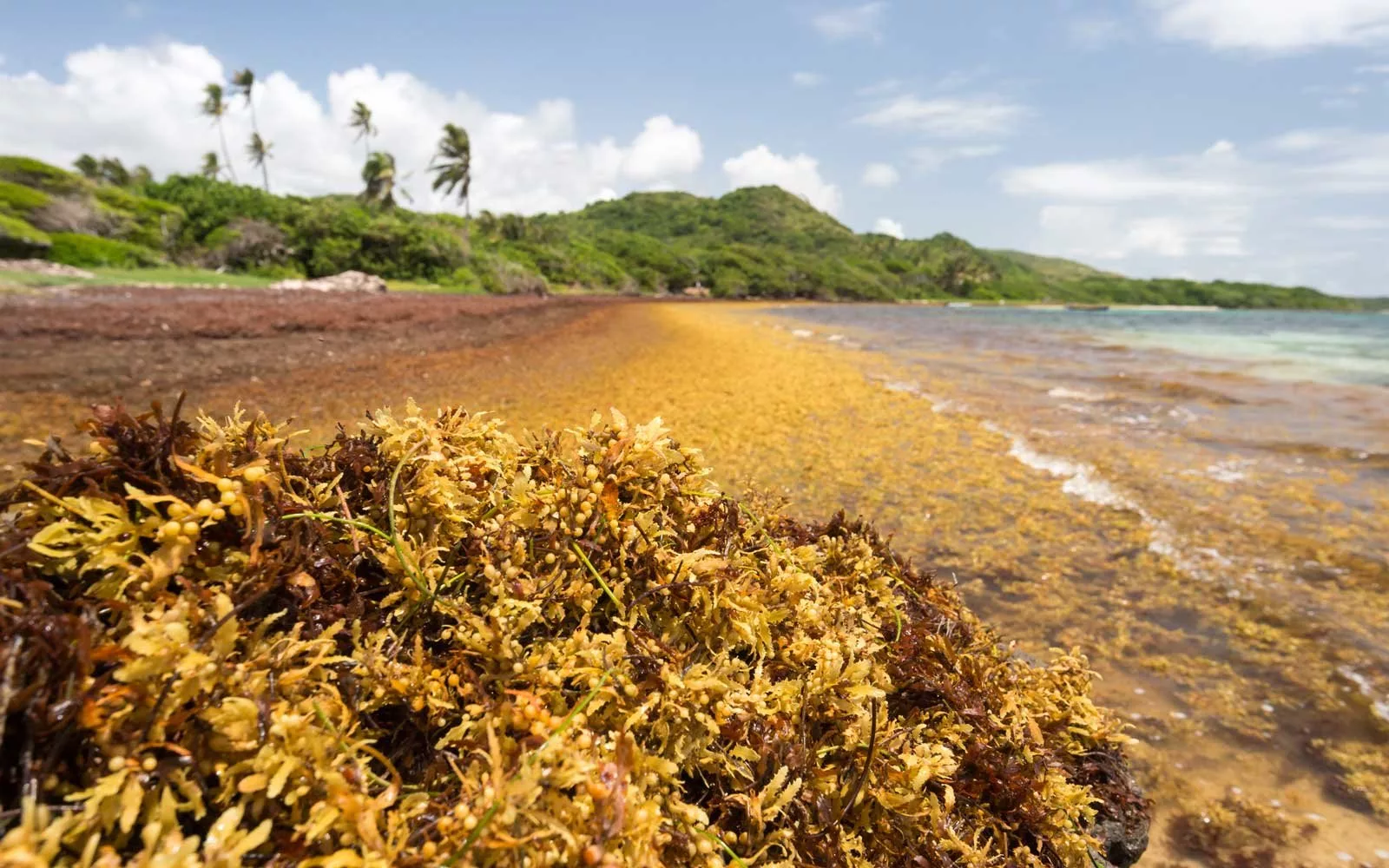
Quintana Roo is on course for its worst sargassum year with over 100,000 tonnes expected, yet Holbox, Isla Mujeres, Isla Contoy, northern Cancún and western Cozumel remain clear.
The Riviera Maya is having its worst sargassum season on record, with the seaweed blanketing much of the coast at the height of summer. But the picture is not uniform — several beaches remain clear, and knowing which ones can save a trip.
Key Facts
- The record. Quintana Roo is on course for its worst sargassum year, with more than 100,000 tonnes expected.
- The count. Of 140 monitored beaches, only five are completely clear.
- Worst hit. The Riviera Maya, Playa del Carmen, Tulum and Puerto Morelos see the heaviest arrivals.
- Still clear. Holbox, Isla Mujeres, Isla Contoy, northern Cancún and western Cozumel stay clean.
- The plan. Head north or to the islands, or use hotel pools and the cenotes.
A record year
Quintana Roo is on track for its heaviest sargassum season yet. The Mexican Navy has removed roughly 80,000 tonnes from the state’s coasts so far in 2026 and expects the year to pass 100,000 tonnes, with state projections running toward 119,000.
That is well above 2025’s total, and it has landed at the peak of the summer travel season. The Navy has deployed hundreds of personnel and thousands of metres of floating barriers to contain it.
Where it is worst
The heaviest accumulations are along the Riviera Maya, from Puerto Morelos through Playa del Carmen and Tulum, and south to Mahahual. These stretches see the most sargassum arriving and the biggest hit to water quality and beach access.
Of the 140 beaches monitored by the state’s sargassum network, dozens carry excessive or abundant seaweed, and only five are completely free of it. The situation shifts daily with wind and current.
Where it is still clear
The north and the islands are holding up best. Holbox, Isla Mujeres, Isla Contoy and the western coast of Cozumel report little or no sargassum, thanks to their position and currents.
Cancún’s northern beaches, among them Playa Langosta, Playa Tortugas and Playa las Perlas, also stay largely clear, sheltered by the coastline. For a beach day, these are the safer bets right now.
How to plan around it
If your trip is set for the Riviera Maya, build in alternatives. The cenotes and inland ruins are unaffected, hotel pools are always an option, and a day trip north or to an island puts you on clear sand.
Many beachfront hotels run their own cleaning crews, so resort stretches can be clearer than public beaches nearby. Ask your hotel about current conditions before you commit to a specific beach.
Check before you go
Conditions change day to day, so check a current sargassum map before travelling to a specific beach. The state’s monitoring network publishes a daily semáforo, and local reports track the worst-hit stretches.
Sargassum is seasonal and usually eases later in the year. For now, flexibility on where you swim is the key to a good trip.
More: Mexico news in English, every day from The Rio Times.
Frequently Asked Questions
How bad is the sargassum in 2026?
It is a record year. Quintana Roo has removed about 80,000 tonnes so far and expects to pass 100,000, with heavy landings across the Riviera Maya.
Which beaches are still clear?
Holbox, Isla Mujeres, Isla Contoy, western Cozumel and Cancún’s northern beaches such as Langosta and Tortugas stay largely clean.
Which are worst hit?
The Riviera Maya, Puerto Morelos, Playa del Carmen, Tulum and Mahahual see the heaviest arrivals.
Can I still have a beach trip?
Yes. Head north or to the islands, use the cenotes and hotel pools, and check daily conditions before choosing a beach.
Does it change day to day?
Yes. Wind and current move the sargassum daily, so check a current map before travelling to a specific beach.
Connected Coverage
- Sargassum summer: Riviera Maya hotels cut prices
- What’s on across Latin America this week
- LatAm Expat & Nomad Daily Guide — Sunday, July 19
This article was produced by The Rio Times’ automated newsroom system. How we use AI · Report an error · Editorial responsibility: Matthias Camenzind, Editor-in-Chief
Expat Guide to Mexico
What The Rio Times publishes for foreigners who live in or move to Mexico.
Start here
- Mexican Peso Falls Past 18.40 on Central Bank Minutes
- Crocodiles in Puerto Vallarta Safety Guide
- Mexico Security and Crime Explained 2026
- Mexico Visa Options 2026 Explained
City guides
Mexico City, Playa del Carmen, Tulum, Puerto Vallarta, Mérida, Oaxaca, Guadalajara, Monterrey, Cancún
Coming up in Mexico
- Expo Cerveza México 2026 Mexico City: Over 150 Breweries, 23–25 October 25 Oct
- Xcaret Festival Opens in Playa del Carmen on 30 October 30 Oct
- Mexico City Grand Prix 2026: Schedule, Tickets and TV 30 Oct
- Day of the Dead 2026 in Mexico City: Dates and Parade 31 Oct
Understand Mexico