Red Alert on the Riviera Maya: Record Sargassum Season
Updated 1 times · Latest: June 16, 2026
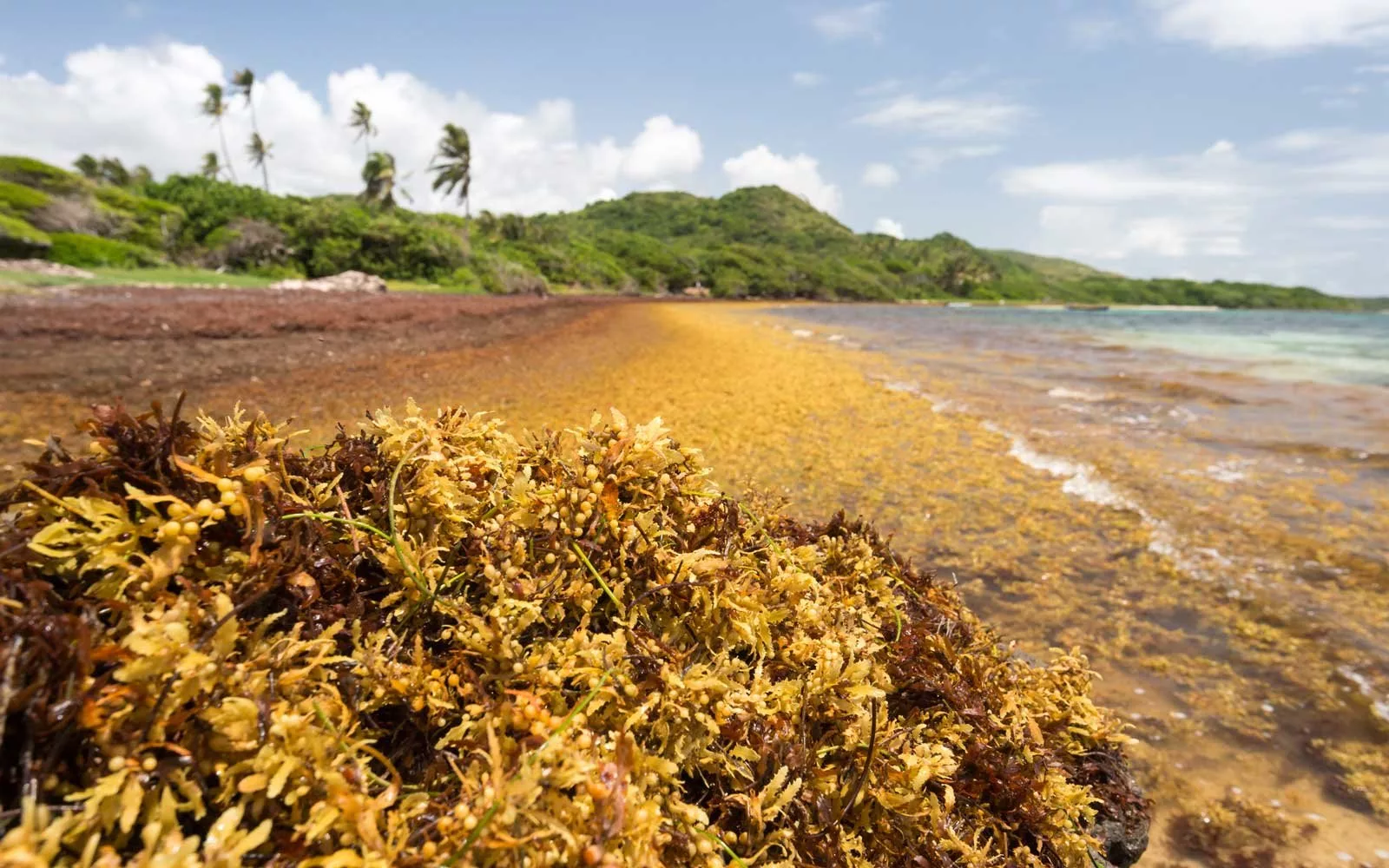
The Caribbean coast that built its name on white sand and turquoise water is having a hard season. A record wave of Riviera Maya sargassum is washing onto Playa del Carmen and its neighbours just as the region prepares for a World Cup tourism surge — and the seaweed is not the only strain.
For residents and would-be expats weighing the Riviera Maya, it is a useful reminder that the postcard has a back side: the same rapid growth that drew everyone is testing the coast’s beaches and its power grid at once.
Key Facts
- Record seaweed. More than 20,000 tons of sargassum have already been cleared this year, and about half of Quintana Roo’s monitored beaches are on red alert.
- The navy is stepping in. Around 300 extra personnel are being added (to roughly 600) to clear beaches before World Cup visitors arrive.
- Tourism is feeling it. Early-May hotel occupancy fell to about 59%, down from 73% a year earlier.
- A power problem too. Repeated electricity blackouts have triggered roadblock protests across five Quintana Roo municipalities.
- An official misstep. The mayor’s claim that sargassum “turns into sand” drew a public scientific rebuke.
How bad is the Riviera Maya sargassum?
This year’s sargassum season started early and hit hard. Crews have already removed more than 20,000 tons, and roughly half of the state’s monitored beaches have been flagged on red alert at various points.
To get ahead of the World Cup, the navy is adding around 300 personnel to the cleanup effort, bringing the total to about 600. The arrivals have also become a political flashpoint after the local mayor claimed the seaweed “turns into sand,” a statement scientists quickly corrected.
| Indicator | This season |
|---|---|
| Sargassum cleared | 20,000+ tons |
| Beaches on red alert | about half of those monitored |
| Navy cleanup staff | ~600 (after a 300-person boost) |
| Early-May occupancy | ~59% (was 73% a year earlier) |
The other crisis: the power grid
Alongside the seaweed, the coast has been hit by repeated electricity blackouts. The outages have damaged appliances and cost businesses sales, and frustration boiled over into roadblock protests across five municipalities.
Locals link the strain to the breakneck pace of new development outrunning the grid — a structural problem that a single tournament will not fix.
Together, the seaweed and the blackouts paint a picture of infrastructure under pressure exactly when the region most wants to look its best.
What it means for residents and visitors
The good news is that sargassum is uneven: conditions vary day to day and beach to beach, and resorts and public crews clear the busiest stretches first. If the beach is central to your plans, check daily sargassum maps and local updates before you go, and consider that some coves and northern stretches fare better than others.
For anyone thinking of settling on the coast, factor in both the seasonal seaweed (roughly spring into autumn) and the reliability of power and services in newer developments. It remains a beautiful, fast-growing place to live — but going in with open eyes about the season’s realities makes for a far happier move.
More: Mexico news in English, every day from The Rio Times.
Frequently Asked Questions
Earlier updates
As of mid-June 2026, Playa del Carmen’s municipal cleanup count had passed 20,000 tons, and USF confirmed 2026 as a record year, with Quintana Roo’s monitoring centre projecting 120,000–130,000 tons for the season.
How bad is the sargassum in Playa del Carmen right now?
It is a record season. More than 20,000 tons have been cleared, and about half of Quintana Roo’s monitored beaches have been on red alert at points.
The navy is adding around 300 staff to the cleanup ahead of the World Cup. Conditions vary day to day, so check local sargassum maps before heading to a specific beach.
Is the whole coast affected equally?
No. Sargassum arrives unevenly, and busy tourist stretches are cleared first. Some coves and northern beaches tend to fare better than others, so it pays to check current local reports rather than assume the entire coast looks the same.
What’s happening with the blackouts?
Repeated power cuts have hit the region, damaging appliances and costing businesses, and have led to roadblock protests across five municipalities. Residents tie the outages to rapid development outpacing the electricity grid.
Should this change my plans to move to the Riviera Maya?
Not necessarily, but go in informed. Factor in the seasonal seaweed (roughly spring into autumn) and check the reliability of power and services in newer developments.
Many people still love living there — the key is realistic expectations about the season.
This article was produced by The Rio Times’ automated newsroom system. How we use AI · Report an error · Editorial responsibility: Matthias Camenzind, Editor-in-Chief
Expat Guide to Mexico
What The Rio Times publishes for foreigners who live in or move to Mexico.
Start here
- Mexican Peso Falls Past 18.40 on Central Bank Minutes
- Crocodiles in Puerto Vallarta Safety Guide
- Mexico Security and Crime Explained 2026
- Mexico Visa Options 2026 Explained
City guides
Mexico City, Playa del Carmen, Tulum, Puerto Vallarta, Mérida, Oaxaca, Guadalajara, Monterrey, Cancún
Coming up in Mexico
- Expo Cerveza México 2026 Mexico City: Over 150 Breweries, 23–25 October 25 Oct
- Xcaret Festival Opens in Playa del Carmen on 30 October 30 Oct
- Mexico City Grand Prix 2026: Schedule, Tickets and TV 30 Oct
- Day of the Dead 2026 in Mexico City: Dates and Parade 31 Oct
Understand Mexico