A year after the Wagner Group’s mutiny, President Vladimir Putin not only retains his role but has also strengthened his grip on power.
The rebellion, led by Yevgeny Prigozhin, a former ally turned rival, ended with the fragmentation of the Wagner Group.
Their forces scattered across Belarus, Africa, and Russia, losing much of their prior cohesion and influence.
Prigozhin’s challenge to Putin during the mutiny placed the Russian leader in a delicate situation.
Prigozhin’s death in a plane crash and Wagner’s structure dismantling redirected focus to the Kremlin’s internal security strategy and control over military and political spheres.
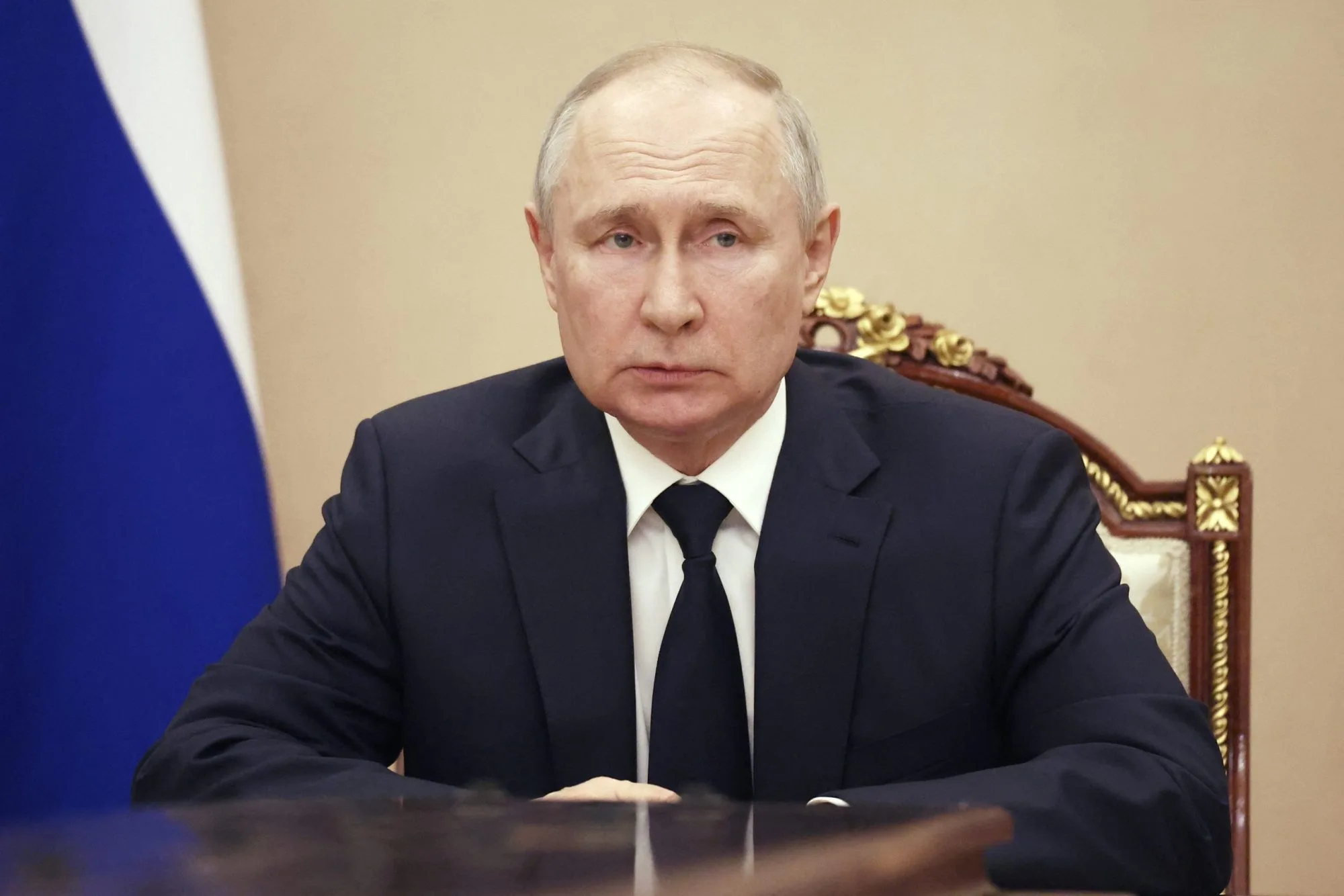
German media analyses indicate that these events did not weaken Putin’s domestic or global stance.
Instead, they reinforced his authority, underscoring the risks associated with opposing him.
The Wagner Group, once a significant force in Russia’s military operations, particularly in Ukraine, now operates in a reduced capacity.
It has adopted new identities and leadership structures. Internationally, the response to the Wagner mutiny has been multifaceted.
Wagner’s ongoing activities in Africa highlight the Kremlin’s strategy of leveraging private military forces to bolster Russian influence abroad.
This includes significant involvement in military and security operations in nations such as Libya, Mali, and the Central African Republic.
Overall, the events of the past year underscore Putin’s adeptness at navigating internal challenges and adapting his strategies to the shifting geopolitical landscape.
The suppression of the Wagner mutiny not only neutralizes a major internal threat but also signals a continued evolution in Russian domestic and foreign policy tactics.
This consolidation of power is crucial for understanding Russia’s current and future stance on the global stage.
This article was produced by The Rio Times’ automated newsroom system. How we use AI · Report an error
Read More from The Rio Times